On September 16, news broke of a case that seemed to confirm what most people in Japan think about the country’s legal, but socially ostracized, nightlife entertainment world.
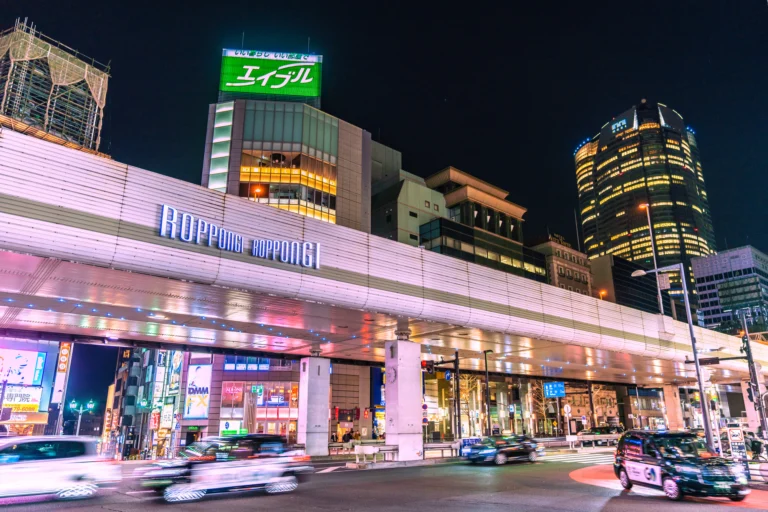
Tokyo police arrested Roppongi hostess Tazawa Rino, known online as “Yamatorino,” on suspicion of cocaine possession. Tazawa was a top hostess at the club JUNGLE TOKYO and a regular on the YouTube hostess-focused show LAST CALL. She’s bragged about clearing ¥230 million (~$1.5M) in sales – guests, champagne, etc. – in the month of her birthday event.
Tazawa has reportedly admitted to the crime. Police report finding 21 other bags of white powder suspected of being cocaine.
In a country where drug possession routinely ends the careers of high-profile entertainers, it’s a charge that carries the weight of a professional death sentence. Indeed, the other shoe has already dropped for Ms. Tazawa: her high-end Roppongi club deleted her profile from its website the same day the arrest was reported. The store released a statement via PDF that said “All activities of the member concerned are currently suspended,” and pledged to improve compliance procedures.
Some of the top comments on Yahoo! News expressed zero surprise, arguing that this is what they expect from people in the industry. “This is what hostesses are like,” one read. Another said, “People in night work or with tattoos are rarely normal, I guess.”
The first pitch that never was
But we didn’t need a cocaine bust to tell us what Japan thinks about hostesses and others who work in nightlife. During COVID-19, nightlife workers were specifically excluded from receiving the same government subsidies that other working people received.
As I’ve discussed in depth, some nightlife establishments, like soaplands, operate in Japan in a legal gray zone. However, hostess/host clubs, girls’ bars, concept cafes, and other nightlife venues are strictly legal, licensed businesses that conform to the letter of the law.
Hostess clubs, in particular, are venues where women entertain customers (usually men) by drinking and talking with them at a table. These businesses are licensed and (heavily) regulated under the country’s Entertainment Law, and don’t involve sexual activity as part of the official job duties. Denying them benefits wasn’t a decision based in the law, but in mores.
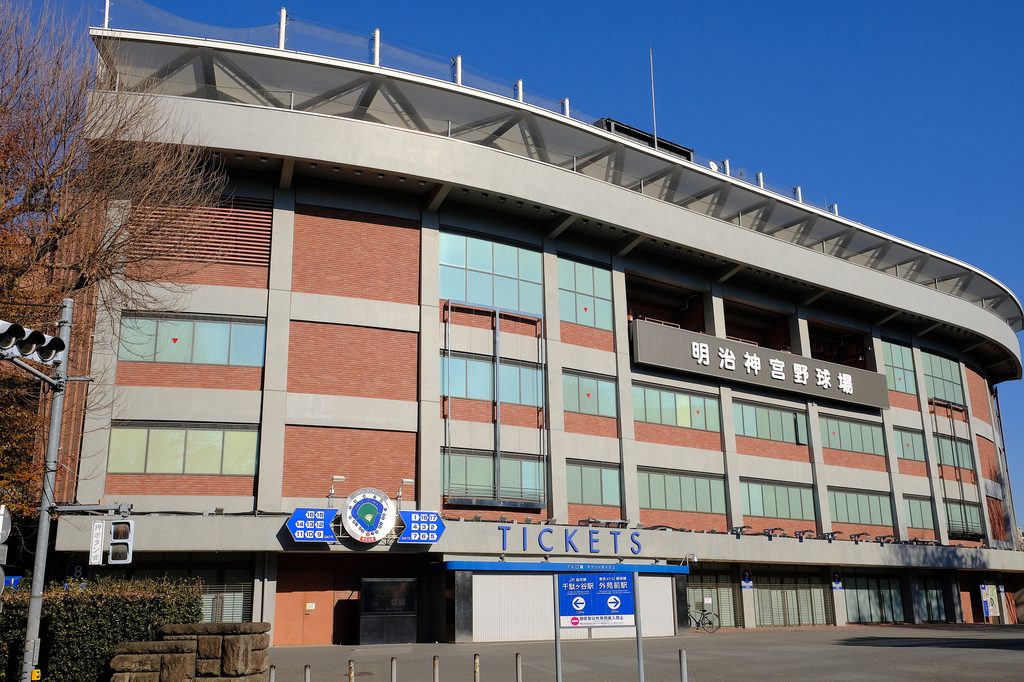
If this wasn’t enough, a canceled event at a Tokyo Yakult Swallows baseball game the day before Tazawa’s arrest drove home the prejudice the country holds toward night workers.