Japan has a reputation as the world’s capital for vending machines. As I’ve discussed before, I think that’s a little overblown. However, there’s no denying the importance of vending machines to the rhythm of daily life here. Which is why, when the Swedish Embassy in Japan announced it was engaging in vending machine diplomacy, I had to go see it for myself.
Cultural promotion through jihanki
Japan has an estimated 4.1 million vending machines (自動販売機, jidouhanbaiki; colloquially, jihanki) across the country. The majority of these dispense drinks. However, a few dispense food, merchandise, and – yes, I will admit – occasionally just truly weird items. They’re as indispensable to Japanese life as the modern konbini.
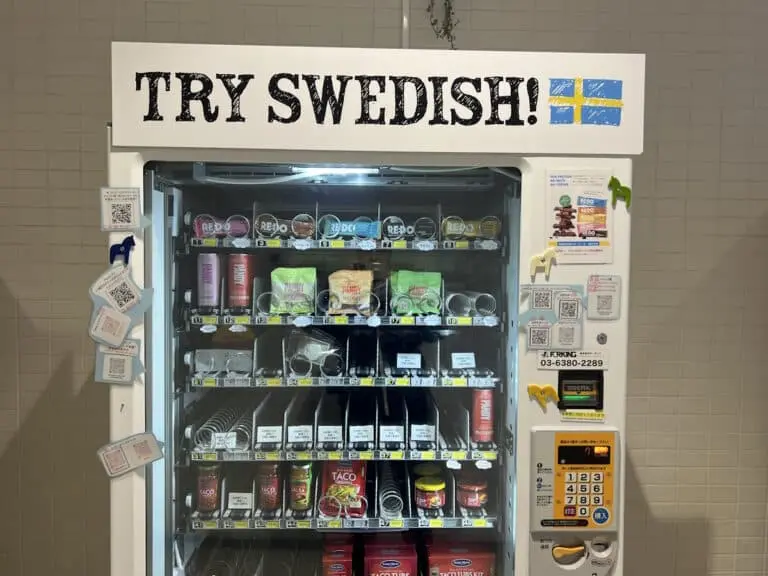
To celebrate this and promote knowledge of Sweden among the Japanese masses, the Swedish Embassy in Tokyo’s Roppongi has had a “Try Swedish!” vending machine set up since 2020. Now, for a limited time, it’s bringing the wholesome fishiness of Swedish culture to the masses with a new machine in Tokyo’s Ikebukuro.
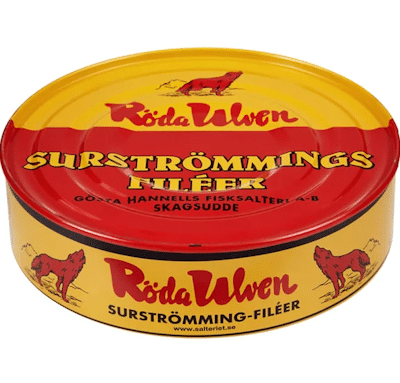
The original and new machines are both stocked with Swedish delicacies. This includes, according to the Embassy’s press release, KRAV Lingonberry Jam, tea from the Tea Center of Stockholm, coffee from Gringo Coffee, and cans of surströmming, lightly-salted herring.
The promotion of Swedish culture appears to be working
Curious, I decided to check it out for myself. Sadly, all I came away with was a lousy protein bar.
The machine’s located in the Alpa shopping plaza in Ikebukuro’s Sunshine City. (I highly recommend Alpa and the attached Alta on your next trip to Japan for great local shopping and food. Heck, I recommend just about everywhere in Sunshine City. It’s like Akihabara except cool.)
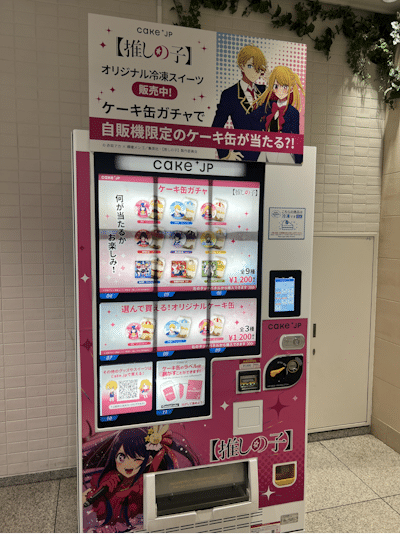
You can find the machine on the 1st-floor basement level, along with a bank of other interesting vending machines. There is, for example, the Oshi no Ko Cake Machine, where you can select a specialty cake in celebration of the manga/anime or get one at random.
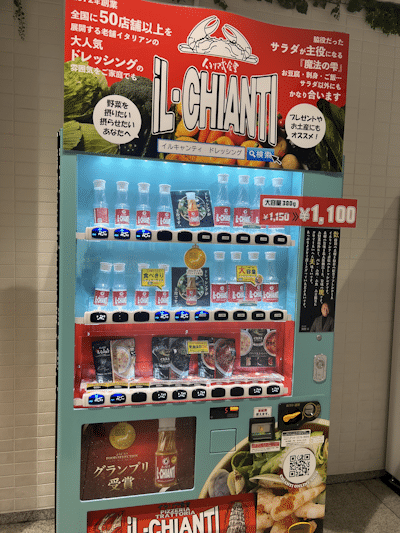
Then there’s the Il Chianti machine, where you can buy bottles of the popular salad dressing (or a lunch if you’re hungry).
Then, of course, there’s the main event. What we all came to see. The Swedish Embassy’s ode to Swedish culture.
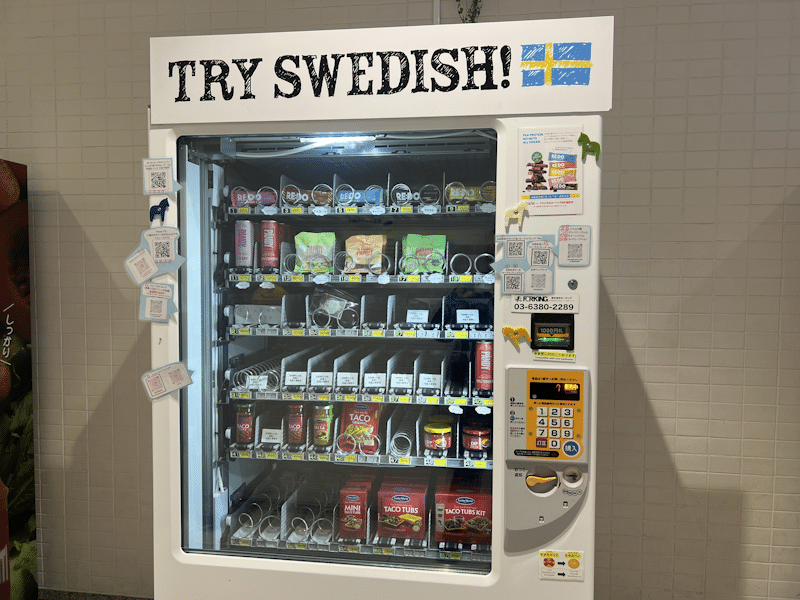
Unfortunately – or fortunately for Sweden, I guess – it appears the machine’s quite popular. There was a guy standing in front of it for over five minutes, agonizing over some tough decisions. (He was still hanging out near the machine after I left, apparently still waiting to satiate his fix for Swedish culinary delights.)
By the time I got there on a Sunday, the machine was picked thin. Gone were the lingonberries and the canned fish. What was left was largely a bunch of diet food – protein bars and gummies – plus what appears to be the Swedish version of Diet Red Bull. (Don’t worry, folks – it’s vegan!)
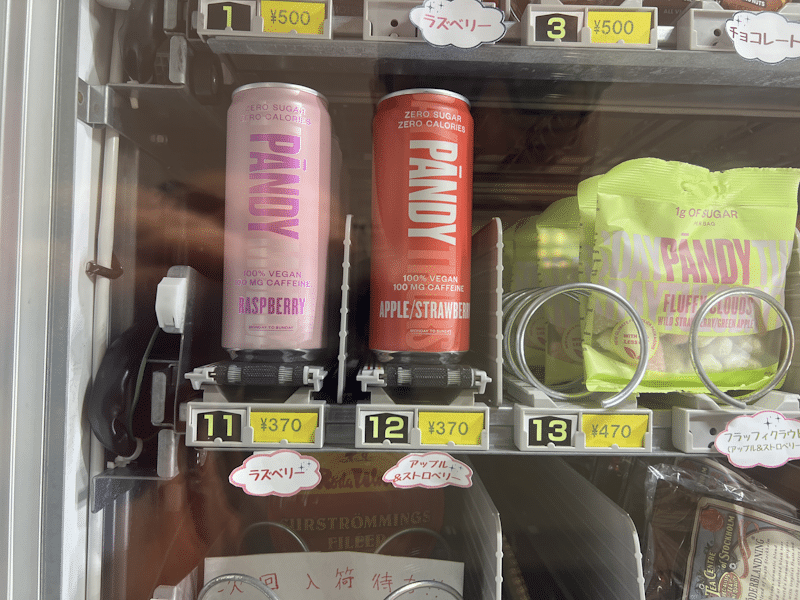
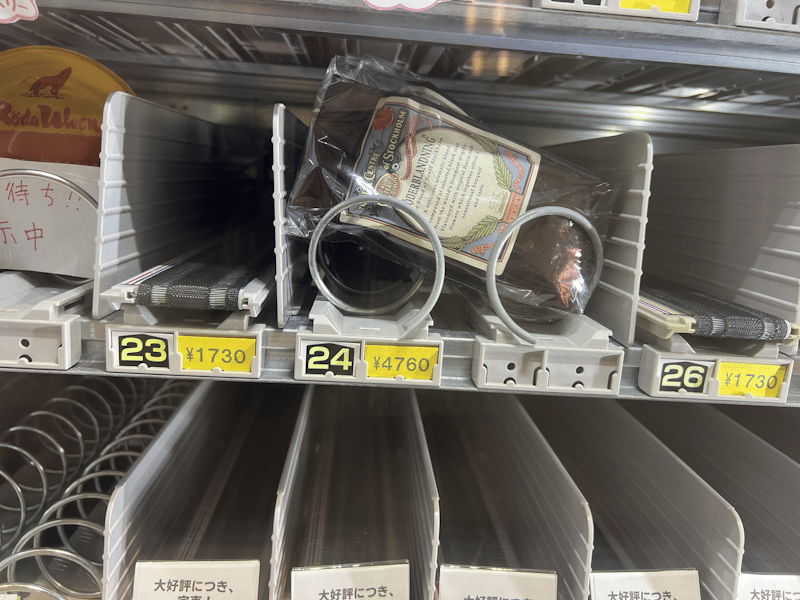
There was still also some Stockholm tea left. It seems that, at 4,760 yen (USD $30) a bag, it wasn’t selling as quickly as the other items.
Then there was…tacos?! Like, lots and lots of taco stuff. Taco sauce. Salsas. Seasoning. Even edible taco tubs (which, quite frankly, is an amazing idea).
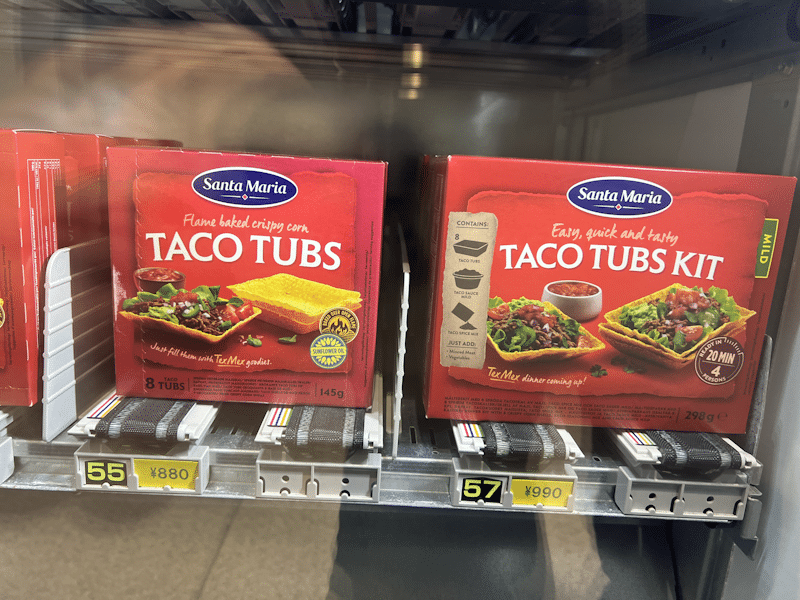
Apparently, Taco Friday (Taco Fredag) is a vaunted Swedish tradition stemming back to the 1990s, thanks to a marketing campaign by Santa Maria (pictured above) to make tacos a part of Fredagsmys, or Cozy Fridays. The tradition’s made Sweden the highest per capita consumer of tacos in Europe.
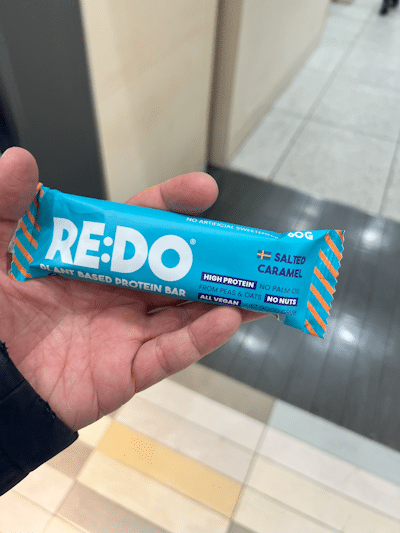
Left without anything interesting and indelibly Swedish to buy (the tacos don’t count, people), I left with a simple salted caramel protein bar. It tasted like your typical no-sugar protein bar – i.e., like cardboard with a bad attitude.
I may go again to see if they’ve restocked it and try to score some jam. Want to try it yourself? The machine will be operating in Alpa until March 9th.