Going to the Shibuya area anytime soon? If so, be warned that Shibuya Station is even more chaotic than usual. A new stage of the station’s reconstruction effort started this week – and it’s making the area around the Hachiko Gate even harder to navigate.
The change is part of Shibuya Station’s remodel, an effort designed to bring the 100+-year-old station to meet the needs of modern Tokyo. The long, ongoing project includes making the station accessible and barrier-free, widening platforms, and generally improving the station’s ease of use.
As part of this project, says NHK, JR East has had to shift the Hachiko Gate some 60 meters (196 feet) from its current location. In doing so, it’s also had to reduce the number of toll gates passengers can use from 17 down to 14.
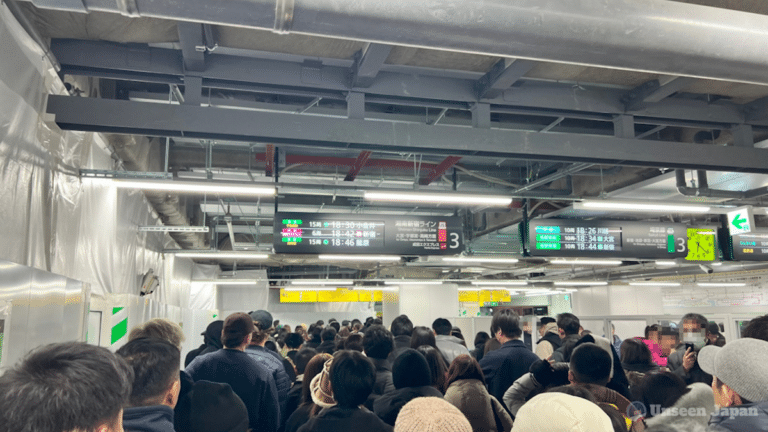
The result is that the Hachiko exit is even messier than it has been. It can now take several minutes to get out of the Hachiko Gate, as a flood of people have to wind through the construction re-routing and the reduced number of gates.
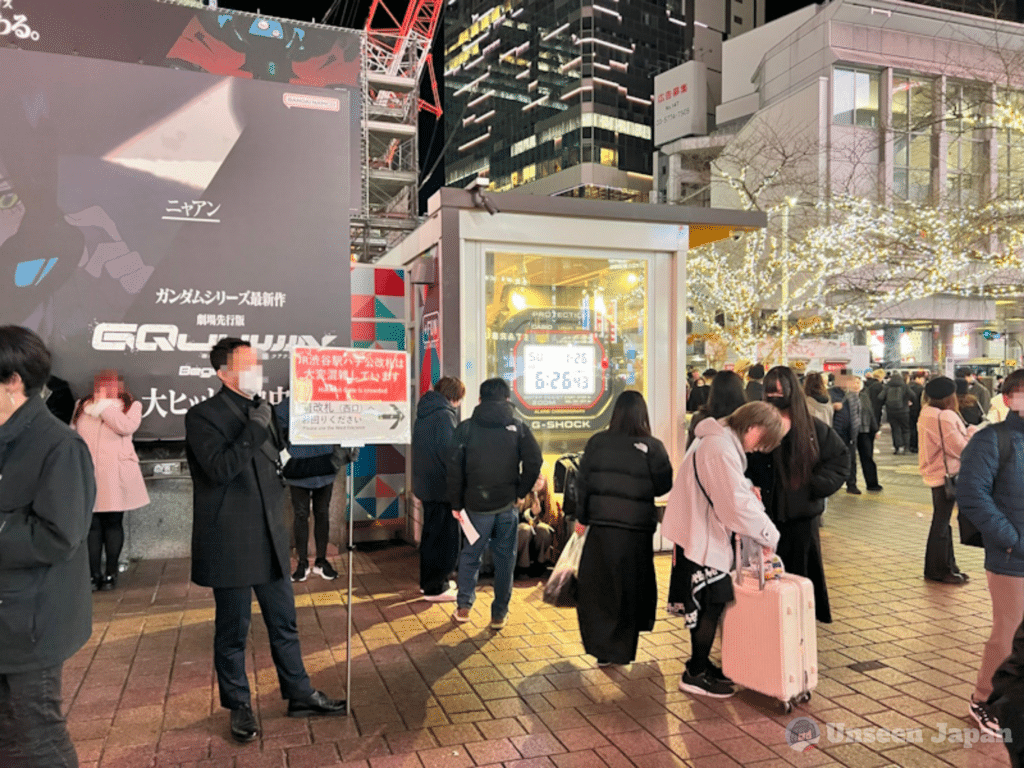
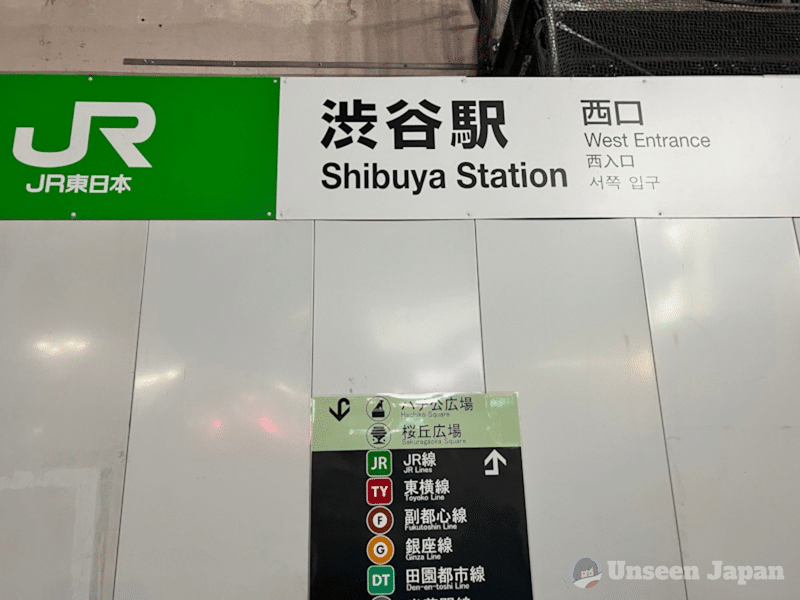
To help with the chaos, JR East has deployed employees who are standing around Hachiko Square with signs in Japanese and English and making announcements. The signs encourage visitors to avoid the Hachiko Gate and instead go to the South Gate at the West Entrance. (If you’re facing the Hachiko statue, it’s to the left around the block.)
As part of the changes, says NHK, an iconic element of the Hachiko exit is also going away. The Hachiko Family mural, a relief of 1,200 tiles depicting 20 Akita breed dogs, will be taken down. The relief has already been covered up ahead of its removal.