
Japan is a vibrant culture with seemingly endless opportunities. Arriving here can feel like stepping into a dream come true. But behind the excitement, many foreigners face stress, isolation, and mental strain that often go unnoticed.
Despite a growing number of foreign residents, support services remain limited, inconsistent across regions, and difficult to access. Language barriers, cultural differences, and unfamiliar systems leave many navigating life alone. For immigrants, the challenges of daily life can quietly chip away at well-being. That creates a struggle that too few talk about.
Navigating an unfamiliar infrastructure
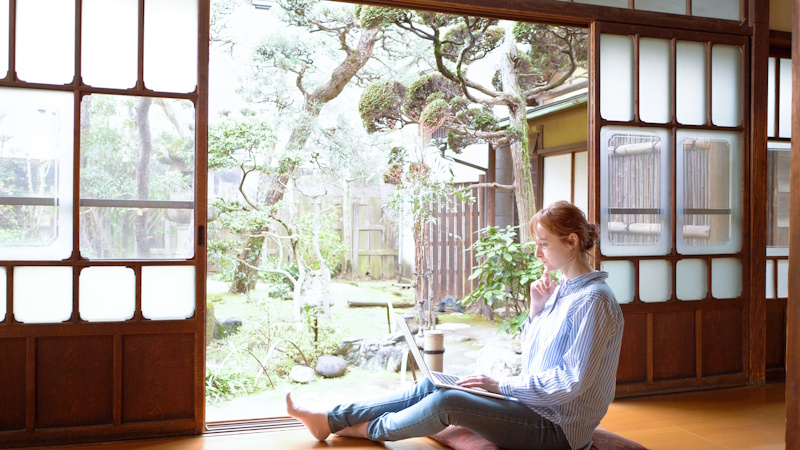
One of the challenges foreigners encounter is setting up their home in a way that works for them. Most foreigners are unprepared for the vast difference in home layouts. Complicating matters, purchasing the things needed to make a house feel like home entails coping with unfamiliar items, payment systems, and etiquette.
Renting an apartment requires navigating bureaucracy, including contracts, guarantors, and unfamiliar landlord expectations. The simplest errands can feel like elaborate tests of cultural literacy.
Language barriers make even simple tasks — ordering at a restaurant, visiting a clinic, or paying bills — daunting. Even with Japanese language skills or support, daily life can feel like a constant negotiation of misunderstandings. That leads to frustration and exhaustion.
Differences in social norms can make socializing complex, and failure to pick up on indirect communication and social cues can result in getting ghosted. Because of this, making connections is difficult. Even long-term residents can feel incapable of making deeper connections.
These daily-life frustrations add up. Over time, they can make life in Japan feel overwhelming.
Work, stress, and the corporate landscape in Japan
In Japan, work has long been more than just a means of earning a living — it’s an identity, a duty, and a source of pride. The image of the “salaryman” is one of devotion to company and country. The hardworking salaryman is a cultural symbol of pride. So is the undercurrent of exhaustion, stress, and silent struggle. Pride in the silent struggle is fading.
Over the last decade, Japan introduced “Work Style Reform” initiatives and corporate wellness programs to reduce stress-related illnesses and burnout. These changes were necessitated by an understanding that even one case of Karōshi — literally, death by overwork — is one too many. Although initiatives are being instituted, the salaryman image and culture of overwork still affects millions of workers who endure chronic stress, sleeplessness, and mental fatigue.
Even as companies begin to limit overtime, unspoken expectations persist. Workers feel compelled to stay late, respond to after-hours emails, or avoid taking accrued leave — not because they’re explicitly asked, but because everyone else does. For many, the fear of letting the team down outweighs personal well-being.
Shifting attitudes, slow progress

Younger generations and foreign workers entering the workforce increasingly prioritize work-life balance, and international companies based in Japan often encourage more flexible structures. Hybrid work, mental health days, and employee counseling services are becoming more common — particularly since the COVID-19 pandemic forced a national reevaluation of what “work” should look like.
Still, old habits die hard. Japan’s emphasis on harmony (“wa”) can discourage individuals from speaking openly about stress, anxiety, or depression.
For foreign residents employed in Japan, these dynamics can be doubly challenging. Cultural expectations may feel unfamiliar or even alienating. Language barriers and limited access to English-speaking support can make it difficult to seek help when stress becomes overwhelming.
The quiet evolution of mental health support
In recent years, however, Japan has begun to build a more inclusive mental health landscape. Slowly but steadily, companies are recognizing that productivity cannot come at the expense of people.
Employee assistance programs (EAPs) are gaining traction, universities and corporations are hiring in-house counselors, and online therapy platforms are making support more accessible than ever before. Younger professionals are redefining success, and mental health conversations that were once taboo are now emerging in workplaces and media alike.
Promoting change requires both cultural and structural shifts — from leadership that models healthy behavior to policies that encourage balance and self-care. It also depends on individuals having access to the right kind of support: spaces where they can speak openly, without judgment, and begin to rebuild their sense of equilibrium.
For many, that’s where therapy comes in — not as a last resort, but as an ongoing practice of self-awareness and compassion. Services like Adjustment Guidance are helping bridge the gap between Japan’s traditional expectations and a new generation’s call for balance and well-being.
For immigrants and English speakers, finding therapy that bridges cultures — and languages — is crucial. Understanding not only the stress of work but also the isolation of living between worlds requires a nuanced approach.
Adjustment Guidance and the growing conversation on mental health in Japan

As conversations about mental health slowly expand across Japan, spaces of understanding and support are beginning to emerge. More people are realizing that navigating life in Japan as a foreign resident presents challenges that go far beyond language barriers. Immigrants no longer need to quietly wrestle with stress, isolation, and the weight of unspoken expectations alone.
At Adjustment Guidance, we are doing our part to help promote mental health conversations and create spaces of inclusion. We provide English-speaking therapy and mental health education.
Our approach is rooted in compassion-focused therapy and client-centered care. The process begins with listening and truly understanding each client’s individual experiences, needs, and goals before taking the next step.
The aims are simple but powerful: to help clients have more good days than bad, and to move steadily toward personal and professional growth. Therapy begins by identifying the barriers that stand in the way, then carefully unpacking them to reveal new paths forward. Through this process, clients build a toolkit they can use in real life — practical coping strategies paired with a deeper, kinder understanding of themselves.
All sessions are held via Zoom, offering both accessibility and privacy from anywhere in Japan. Inquiries and appointments are handled confidentially via email at adjustmentguidance@yahoo.com or by phone at 080-1142-6310.
To learn more, visit our website today.