Overall verdictAlarm, not surprise. The dominant emotion in this thread is outrage about a policy most commenters already knew existed — the automatic transfer of 18–22 year-olds’ personal data to the Japan Self-Defense Forces (SDF) for recruitment, unless citizens actively opt out. The most-liked comment (1,231 ♥) doesn’t express shock but cuts to the legal core: “Why is it treated as a given that this is normal? Can personal data be passed on without consent?” Only a small fraction of comments are neutral or informational. The rest are angry, alarmed, or darkly resigned.
Note: Comments on X (formerly Twitter) in Japan tend to skew toward the political right, though individual threads may lean left depending on the original poster and topic. These comments are not necessarily representative of the Japanese population as a whole.
What the tweet was about
On April 1, 2026, veteran investigative journalist Shimizu Kiyoshi (@NOSUKE0607) posted: “This is getting serious. For those of you turning 18 or 22 — unless you explicitly opt out, your information will automatically be sent to the Self-Defense Forces. We’re getting dangerously close to the red slip [赤紙, the WWII military draft notice].”
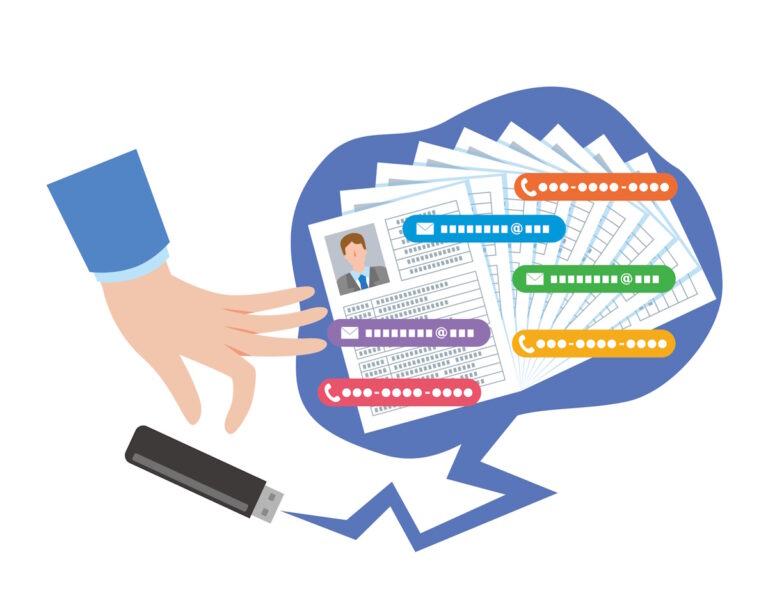
The policy in question is the practice by Japanese municipalities of providing name and address data of eligible young adults to the Ministry of Defense for recruitment purposes. Under the Self-Defense Forces Act, local governments may share this information with the Defense Minister upon request. Residents who do not wish to have their data shared must proactively file an exemption request (除外申請). A deadline of June 1, 2026 was cited in several replies.
The tweet went viral at a politically charged moment: just days earlier, a high school student from Gifu had filed a lawsuit against both the national government and Gifu City, seeking damages and alleging a violation of privacy rights (プライバシー権侵害). The practice had been ongoing for at least three years in cities including Nagoya, Kagoshima, Sapporo, and Fukuoka — but the combination of the lawsuit and Shimizu’s post brought it to a wider national audience.
Sentiment distribution (engagement-weighted)
an opt-out request
was shared
Highest-engagement comments
Activity timeline (JST, April 1–2, 2026)
Key themes in detail
The highest-engagement cluster wasn’t about war — it was about consent. The most-liked comment framed it as a straightforward legal question: if Japan has a Personal Information Protection Act, how is a municipality allowed to hand over citizens’ data without their explicit consent? A separate commenter revealed the SDF had already been accessing traditional family registries (koseki) for recruitment and recently escalated to demanding the data in digital form — “because handwriting it out was too much trouble.” One comment notes that an SDF member had already used personal information obtained this way to contact a woman without her consent, illustrating that the risks aren’t hypothetical.
赤紙 (akagami, “red slip”) was the nickname for the conscription notice issued by the Imperial Japanese Army during World War II. Shimizu’s use of the term in the original tweet struck a nerve. Commenters amplified the comparison, warning that military escalation rarely announces itself. The most-shared comment in this category (RT 180) is a short poem: “Those who want war won’t announce it. Those drafted will be caught unawares, one ordinary day. Once it’s started, you can’t say you oppose it. That’s why we’re opposing it now.” There are also links to ongoing debates about Article 9 of Japan’s pacifist Constitution running through multiple comments.
Several high-engagement comments pointed to news that on March 27, 2026 — just days before Shimizu’s tweet — an 18-year-old high school student from Gifu filed a civil lawsuit against both the national government and Gifu City, claiming the sharing of their personal information with the SDF violated their right to privacy. Commenters demanded other municipalities face similar legal consequences. “The mayor of Fukuoka should also be sued,” wrote one user with 842 likes, naming a specific city as having carried out the same practice.
A significant minority of high-engagement comments pushed back on the framing of the tweet as breaking news. One user cited Nagoya and Kagoshima as having practiced data-sharing for three years. Another posted a link to articles from six years prior and bluntly asked: “You’re a journalist and you only just found out?” This sub-thread highlights a persistent feature of Japanese political discourse: policies that are quietly enacted, lightly publicized, but seldom challenged until a catalyst — in this case, a lawsuit and a viral post by a prominent journalist — forces them into the mainstream conversation.