
There’s a stereotype about Japan that it’s a “conservative country.” That ignores the nation’s rich history of leftist movements, from the student movements of the 60s and 70s to the feminist movement that continues fighting for equality today. It also ignores the existence of actual left-wing parties in Japan today.
Perhaps the best counterexample is Japan’s Communist Party (JCP; 共産党, kyōsantō). With around 250,000 dues-paying members and over 2,180 elected officials nationwide, it’s the largest democratically elected Communist party in any G7 country. With 43% of its elected officials women, it also has the best female representation of any political party in Japan.
The JCP gets a lot of (deserved) flack for being antiquated and out of date. It was run by one man, Shii Kazuo, from 2000 until 2024 after party members pressured him to step down and make room for fresh talent. He was subsequently replaced by the party’s first-ever female leader, Tamura Tomoko.
The party’s actual political power at the national level is minimal. It only holds four out of 465 seats in the powerful Lower House of Japan’s Diet, and another 111 in the Upper House. (The party last significant ground in the February 2026 election, losing four Lower House seats.) That means it puts a lot of focus on trying to make gains in local elections wherever it can.
However, most of that progress comes in the form of city assembly seats. There are only three JCP-affiliated mayors across Japan.
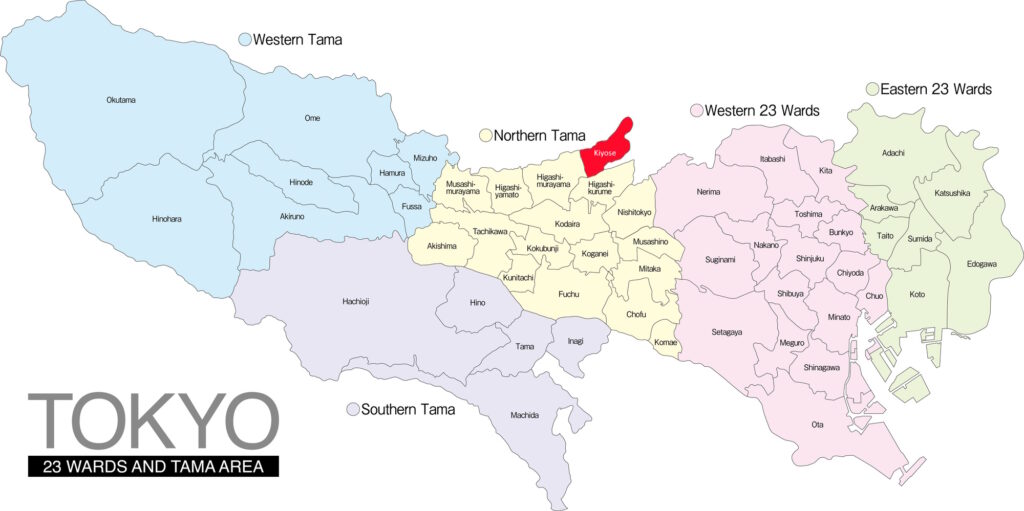
Actually, make that four. The party just landed another notch in its belt with the election of 50-year-old independent Harada Hiromi, whom it endorsed for mayor of Kiyose, a city of over 77,000 in north Tokyo. The catalyst? An attempt to close four of the city’s six libraries – a move that so catalyzed locals that many who’d never voted for a JCP-backed candidate did so for the first time.
Taking away a much-needed hub
I’ve written before about how important libraries are becoming in Japan even as the culture of reading declines worldwide. Libraries play a critical role as support infrastructure in Japan’s aging society, reducing functional impairment in the elderly. One Kyoto University survey found, for example, that every additional library in a city reduced functional impairment by 48%.
The former government of Kiyose under mayor Shibuya Keishi, however, didn’t care about all that.