
 WOMEN
WOMEN
How Uniqlo’s First Female CEO Succeeded Against All Odds
Japan trails behind the world average in female chief executives - which makes the emergence of Uniqlo's Akaida Maki all the more…
Page 20
Japan's gender gap doesn't show up only in abstract rankings. It plays out in courtrooms, police stations, crowded trains, and workplaces. This hub covers the legal, political, and social forces that shape women's lives in Japan: legislation that expands or restricts their choices, institutions that protect or fail them, and the cultural pressures that push against change.
Most English-language coverage of women in Japan leans on familiar contrasts (the modern woman versus tradition, career versus family) and sources them from government reports or foreign think-tank data. We go to Japanese feminist organizations, legal scholars, and women speaking in their own words, often through Japanese-language social media, court documents, and reporting that never makes it into English.
We have several strong beats in this area. The stalking crisis (and the pattern of police inaction that has left women dead) is one of the most urgent. So is the question of bodily autonomy: courts have blocked women from accessing sterilization surgery, while the morning-after pill took three years of bureaucratic friction to reach pharmacy shelves.
Workplace and public-space harassment appear repeatedly, alongside the courts and institutions that frequently decline to treat them as serious harms. And underneath all of it runs the pressure around marriage, motherhood, and reproductive choice - a pressure that Japanese women are increasingly naming, debating, and refusing.
WOMEN
Japan trails behind the world average in female chief executives - which makes the emergence of Uniqlo's Akaida Maki all the more…
 WOMEN
WOMEN
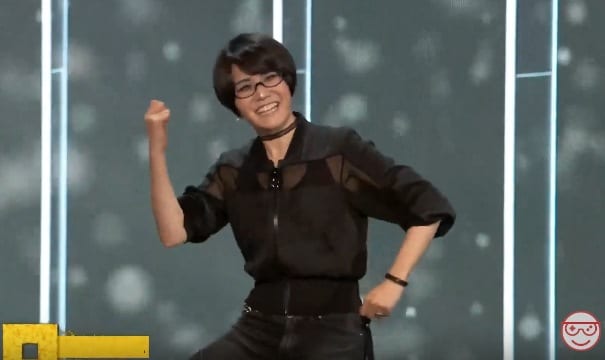
The online gaming community this week was smitten by Nakamura Ikumi, creative director for video game publishing company Tango Dreamworks.
 WOMEN
WOMEN
Over half of Japanese women say they've been victims of groping, leading to a rise in recommended - and in some cases,…
 WOMEN
WOMEN
Despite reports to the contrary, Japan is still having sex - but Japanese women have little control over the outcome.
 FEATURED
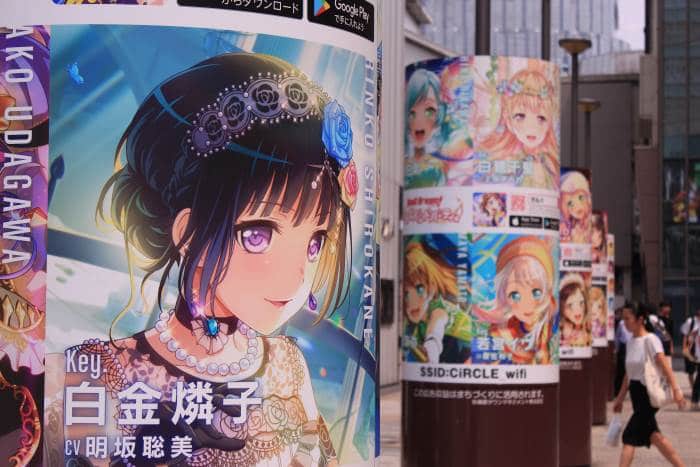
It rakes in trillions for Japan, but is kawaii culture forcing Japanese women into a no-win situation?
 WOMEN
WOMEN
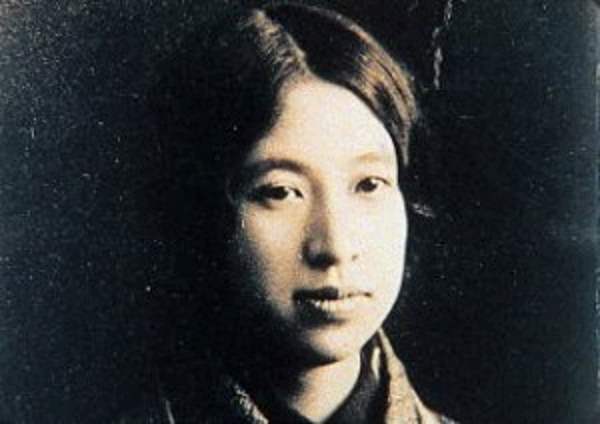
Hiratsuka Raicho was a writer, feminist, and women's liberation activist who played a pivotal role in modern Japan's women's rights movement.
 WOMEN
WOMEN
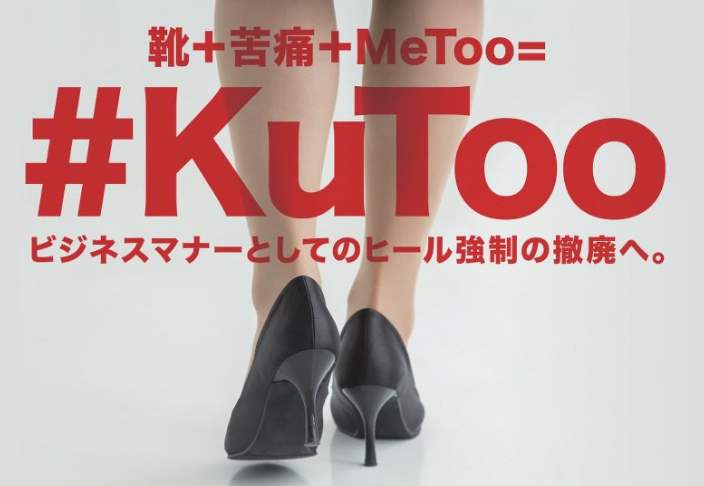
While #MeToo never took off in Japan the way it did in the U.S., Japanese women are growing more aware, and angrier,…
 WOMEN
WOMEN
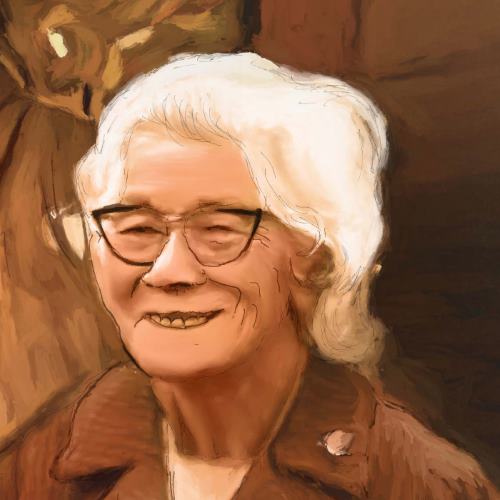
In an age when women had few rights, Ichikawa Fusae fought for hers - and used her hard won career to give…