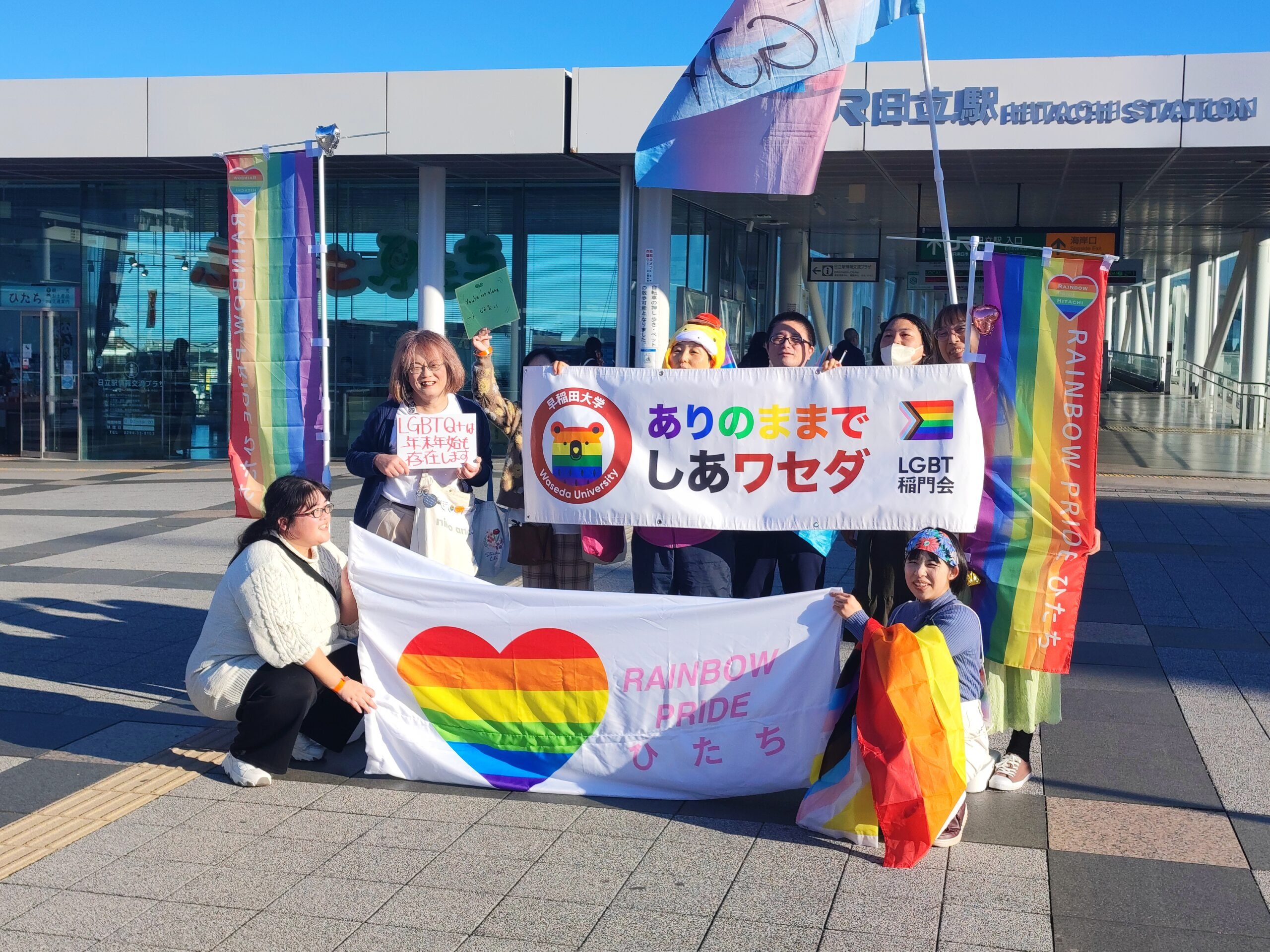


While 2025 saw 15,000 people walk in Tokyo’s annual pride parade, it was also a year that marked the humble yet proud beginnings of a much smaller pride parade elsewhere in Japan. Last month, on the second-last day of 2025, a small group of roughly 10 people gathered in Hitachi City to take part in Ibaraki Prefecture’s first-ever Pride parade.
Raising awareness in home of Japan’s first partnership system
It’s the early afternoon of December 30, 2025. The sun shines brightly in Hitachi, a city in Ibaraki Prefecture with a population of around 159,000, best known as the home of the famous electronics manufacturer.
A modest sea breeze blows in from the coast. Perfect weather for the very first edition of Rainbow Pride Hitachi.
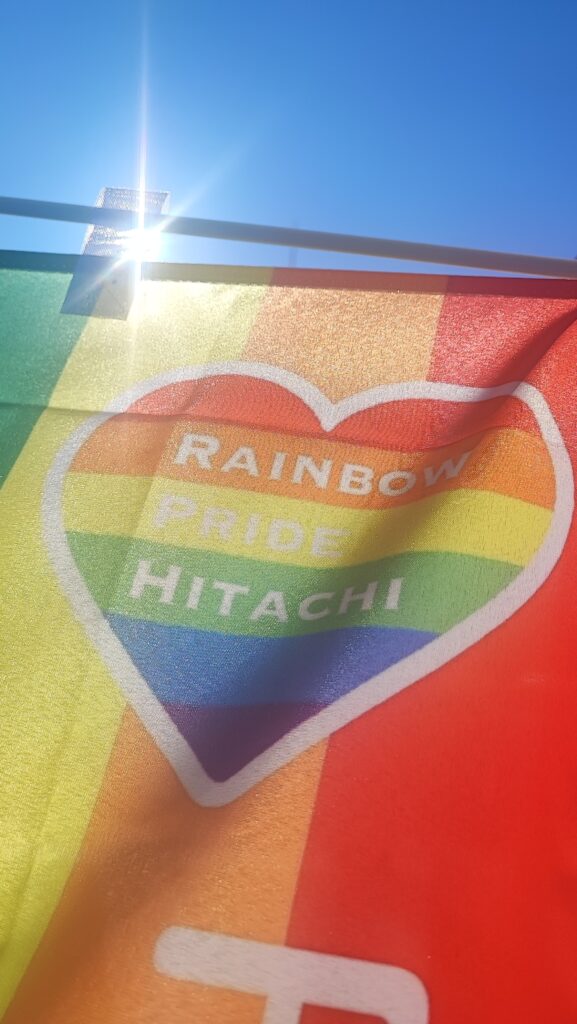
With two rainbow-colored banners waving in the wind, the makeshift registration booth in front of Hitachi Station is difficult to miss, and soon, attendees gradually turn up, one by one.
One of these attendees is Kenta (pseudonym), a 21-year-old university student. Today will be his first Pride parade.
He tells me he is a bit nervous, mainly because the event takes place in the city where he lives. But he also finds meaning in walking in a parade so close to home, as it helps show others that “there are LGBTQ+ people here, too.”
Onoma Chiaki (31), one of the co-founders of Rainbow Pride Hitachi, similarly emphasizes that one of the goals of the event is to draw attention to the presence of LGBTQ+ people in the more rural areas and smaller cities of Japan. Onoma and her childhood friend, Nozato Asumi (31), originally conceived of the idea to set up Rainbow Pride Hitachi after the two of them participated in the 2024 Tokyo Rainbow Pride.
“There were no organizations from Ibaraki participating in the parade in Tokyo. And, although Ibaraki was the first prefecture in Japan to introduce a partnership system for LGBTQ+ people, it still felt like there wasn’t much activity in Ibaraki. That’s why I decided to set up my own organization to organize events here,” Onoma says.
She continues: “As someone living in Ibaraki, what I feel is that while there is no strong opposition towards LGBTQ+ people, there is a lack of interest and awareness. I also think that, due to conservative ways of thinking present in rural areas, opportunities for LGBTQ+ people and allies to talk openly about these topics can be somewhat limited here. Over time, I hope to create opportunities for people to increase their awareness and understanding of LGBTQ+ issues.”
Planning a trip to Japan? Get an authentic, interpreted experience from Unseen Japan Tours and see a side of the country others miss!

While Chiaki, Asumi, and Kenta all hail from Ibaraki, others have come from outside the prefecture to take part in the parade.
One of them, 47-year-old Yamanobe Akio from Tokyo, has been going to pride parades across the country ever since learning about the concept of being an “ally” to the queer community, about five years ago. When I ask him how many pride parades he goes to per year, he replies, “About 10 or so, I think? Well, some years it’s less than 10.”
Rainbow flags at local shops
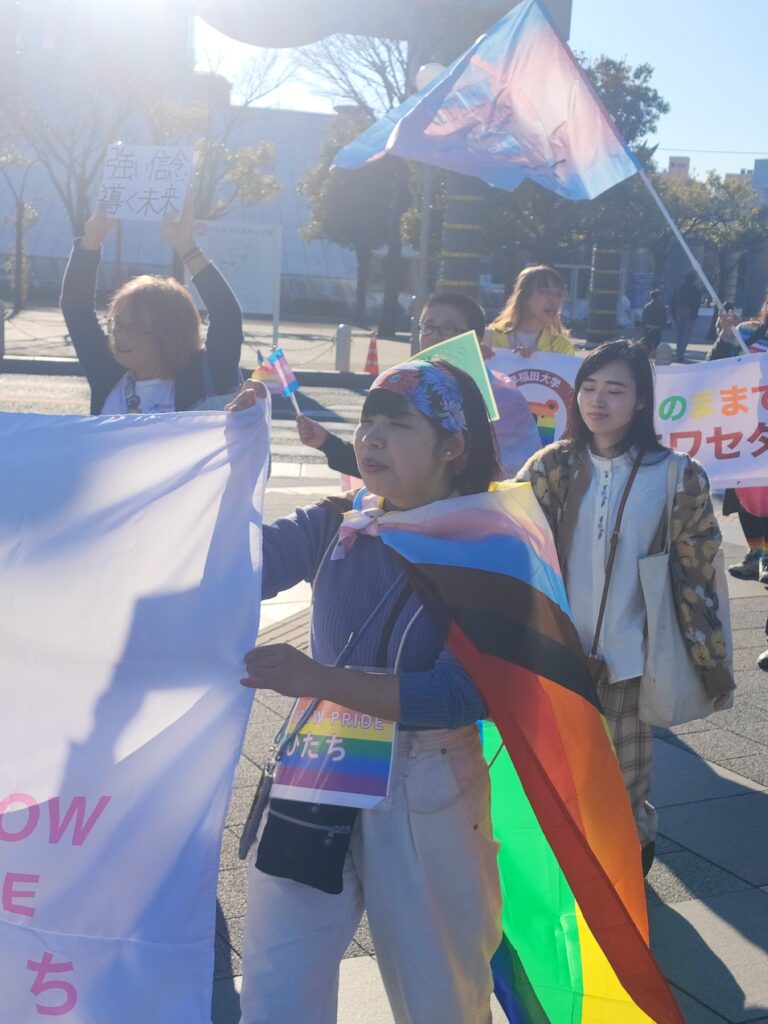
At 13:30, the parade starts. Banners, pride flags, and placards in hand, the ten or so participants walk through the sunlit streets of Hitachi. Despite the group’s small size, its presence is difficult to miss. Now and then, they’re greeted with warm smiles and waving hands, at other times, with confused stares or curious glances.
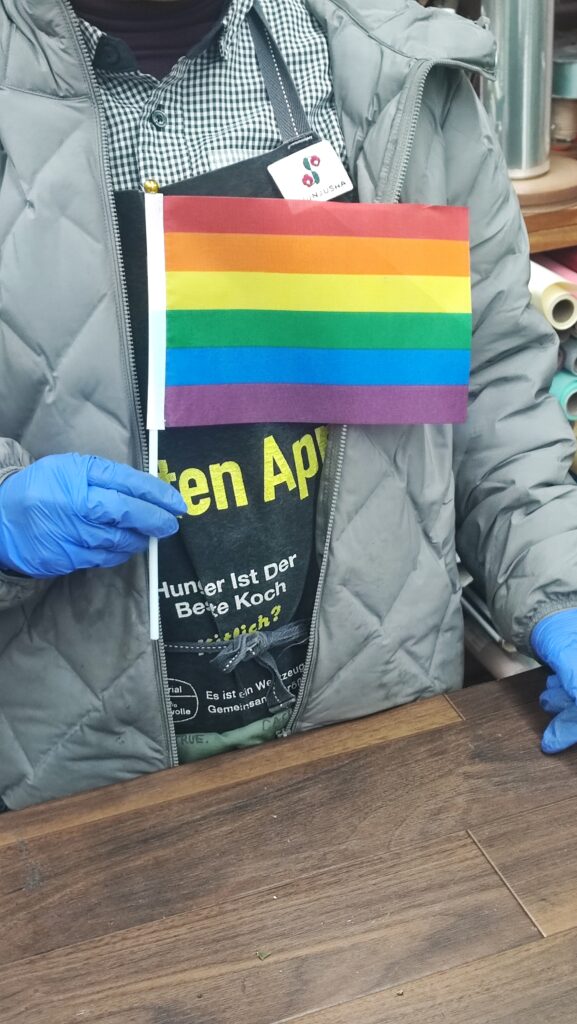
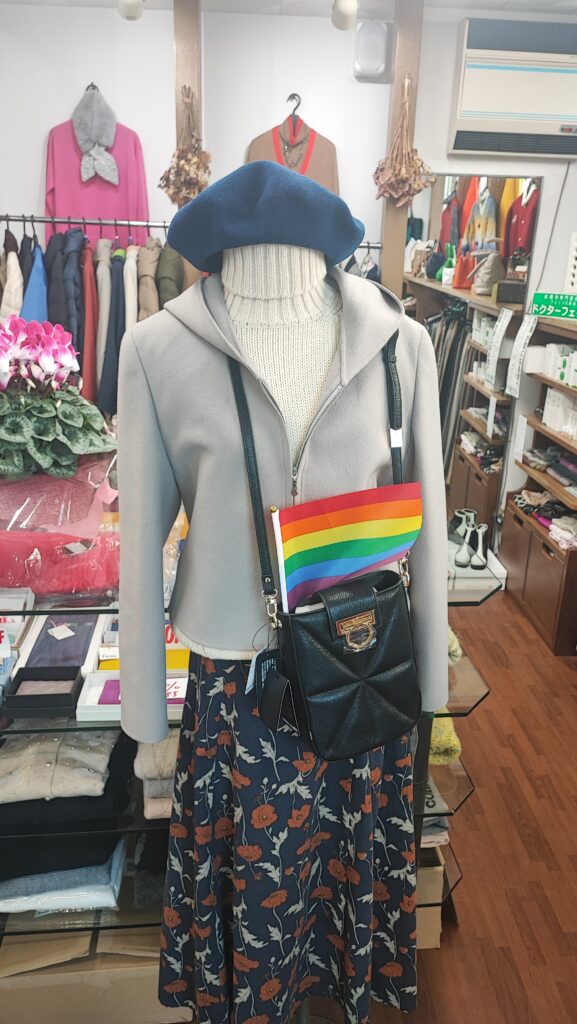
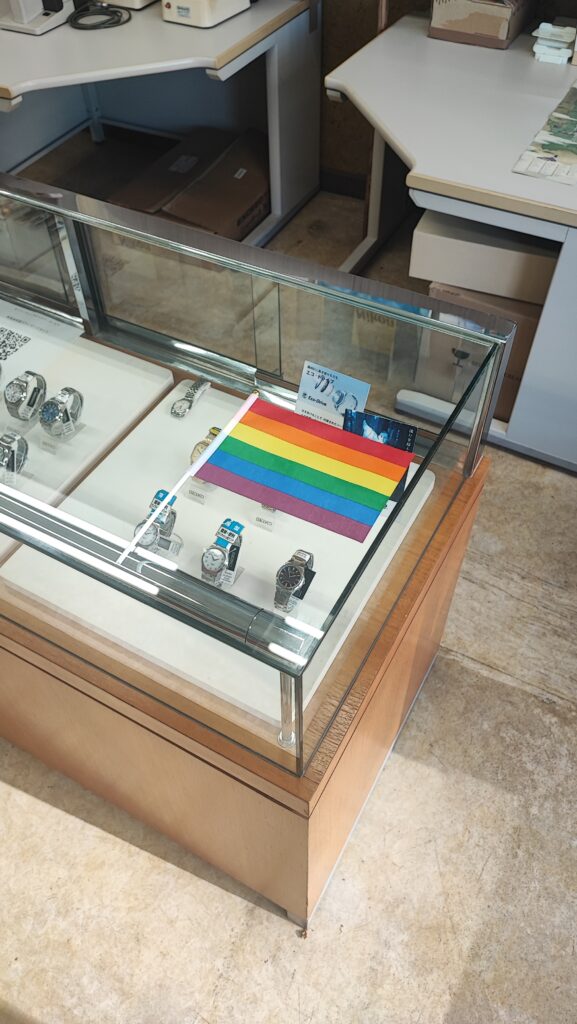
Along the route, small rainbow flags, distributed in advance by a member of Rainbow Pride Hitachi, are on display at local businesses. At a flower shop, two staff members cheerfully wave back—small rainbow flag in hand—as the parade passes by.
Asked what the two think of the parade, 35-year-old Yuka responds: “Until I was given this flag, I had no idea this event was going to happen today at all, but I think it’s a good thing.
“Last year, when I went to San Francisco, I saw lots of rainbow flags—it’s nice to see something like that here too.”
After about 45 minutes of walking, the parade returns to its starting point. People take group photos, and the two co-founders of Rainbow Pride Hitachi express their happiness that all of their hard work paid off. Onoma: “After we decided to organize the event, we ran into so many procedures and other things we were unfamiliar with. We almost decided to postpone it, but I’m glad we didn’t give up!”
With a smile on her face, Nozato mentions how it felt like they were running short on time to properly advertise the parade in advance.
See a side of Tokyo that other tourists can't. Book a tour with Unseen Japan Tours - we'll tailor your trip to your interests and guide you through experiences usually closed off to non-Japanese speakers.

“I began to think no one would turn up and that maybe we couldn’t do it after all, but then we decided to just go for it, thinking ‘even if only a few people come, let’s just try doing it this year!’ So we took the plunge and went ahead. I’m so glad we did it, and I’m really happy with how many people turned up. Next year, I hope everyone brings their friends, and there’ll be even more people!”
A “first” in Ibaraki, but far from a “first” in Japan
Japan has had pride parades since the mid-1990s, with the first-ever “Tokyo Lesbian and Gay Parade” held in 1994. Two years later, Japan’s northernmost prefecture, Hokkaido, followed, with its first official parade: the “Les/Bi/Gay Pride March” in Sapporo.
Similar parades followed those in Tokyo and Sapporo. However, it took another decade before the phenomenon of pride parades spread further across the rest of Japan.
From 2004 to 2007, the student-led organization Gender Sexuality Project organized parades at Ritsumeikan University in Kyoto, and in 2006, the first Kansai Rainbow Parade was held in Osaka. Slowly but surely, more and more pride parades followed.
Some already had hundreds of attendees at the very first edition, like the Nijiiro Domanaka Parade in Nagoya in 2012, while others started small, as Rainbow Pride Hitachi did. Take, for instance, the Aomori Rainbow Parade, which had only 3 (!) attendees at its first edition in 2014 but over 200 at its sixth edition in 2019.
The growth of Pride in Japan has led to a growing awareness and acceptance of LGBTQ+ people. For example, a clear majority of the public now supports marriage equality. However, discrimination and misunderstanding remain rampant. As elsewhere globally, transgender Japanese citizens have become the target of politicians looking to turn hate into votes.
With LGBTQ+ rights under attack everywhere, Pride is more important than ever. As the Hitachi parade shows, LGBTQ+ people and their allies in Japan remain committed to spreading awareness one city at a time.
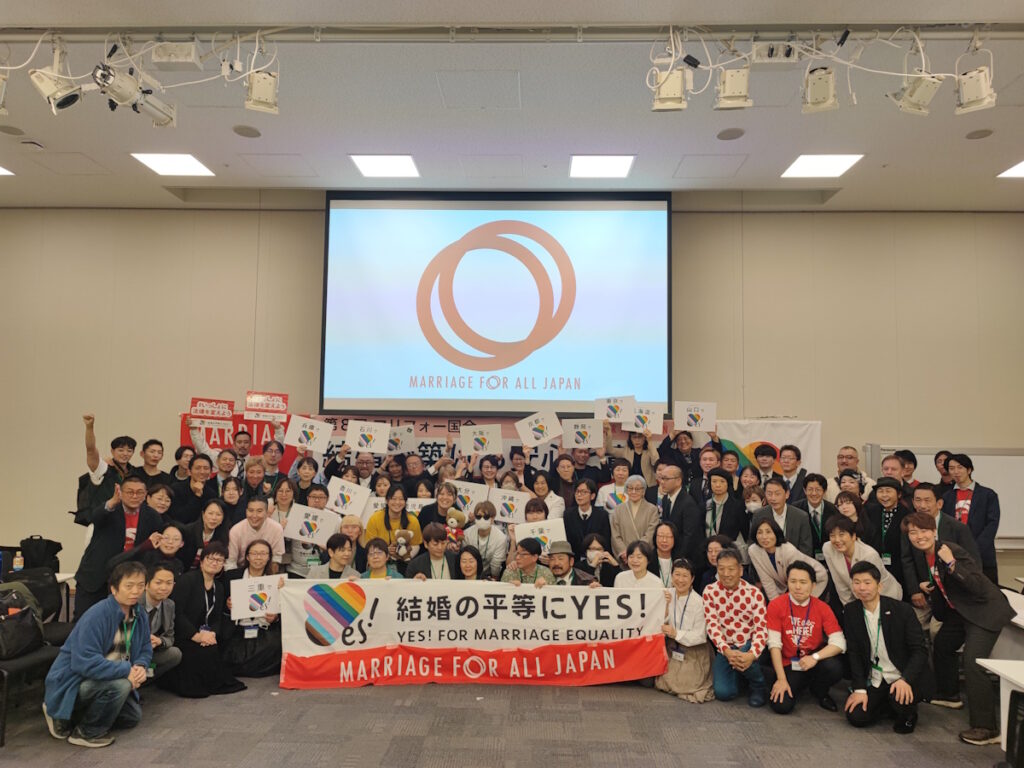
After a bitter court loss, LGBTQ people in Japan continue pressing politicians for fast action.
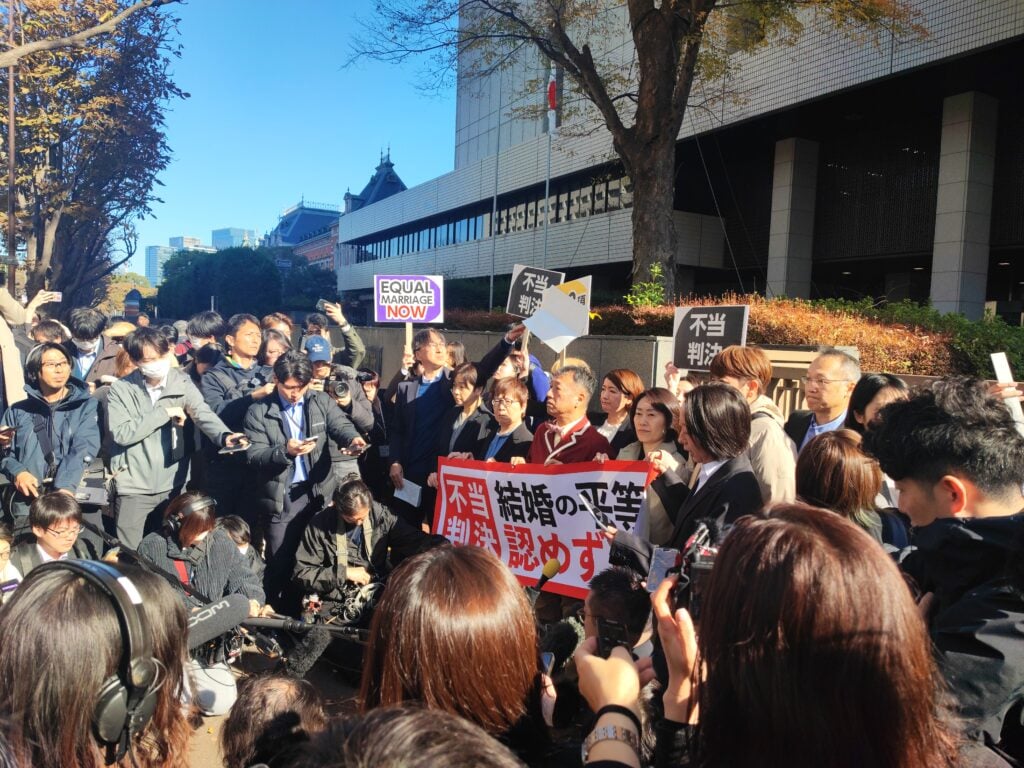
Supporters of marriage equality in Japan were met with an unexpected setback after a series of affirmative rulings.
Wada Keiko further stated she believed transgender people needed medical treatment instead of accommodation and understanding.
