


What do you think of when you think of home? For most people, it’s where they were born and raised. For some wisecrackers in Japan, though, it’s where the emperor lives. A loophole in Japanese laws allows couples (perhaps too much) flexibility in declaring where they’re from. That’s led around 3,000 to declare the Imperial Palace as their registered domicile – and it has some bureaucrats tearing their hair out.
Just write anything – even the Imperial Palace!

In Japan, all families have a family registry (戸籍; koseki) that records a couple’s marriage and any children they might have. When a couple gets married, they create a new family registry. At that time, they each also have to list their registered domicile, or honseki (本籍). Foreigners can specify their country of citizenship.
Most couples who get married list either their family home or current address. Naturalized citizens also have to pick a registered domicile as part of the naturalization process. Legally, they can pick any location in Japan with a few exceptions, such as the Kuril Islands.
It turns out this isn’t just a privilege extended to naturalized foreigners. Anyone can list an address anywhere in the country, with a few exceptions. And some people do. One guy interviewed by FNN Prime Online, for example, said he listed his workplace.
“That way I won’t forget it,” he said. “I’ve heard that the Imperial Palace is a popular home address, but I wanted to be different.”
The dude isn’t wrong. According to FNN, around 3,000 people have opted to list the Imperial Palace in Tokyo’s Chiyoda City as their registered domicile.
While the Imperial Palace is the number one joke domicile, other locations across Japan are also popular, including Disneyland, the Sapporo Clock Tower, Osaka Castle, and the Koshien baseball stadium in Osaka.
Chiyoda City has had enough of this sh!t

This might seem like harmless fun. However, it has real-world implications.
Planning a trip to Japan? Get an authentic, interpreted experience from Unseen Japan Tours and see a side of the country others miss!

Your registered domicile is where your family registry is kept and maintained. That means that Tokyo’s Chiyoda City, where the Imperial Palace is located, has to process all family registries of everyone who thinks registering the emperor’s address is a good laugh.
It gets even worse, though, because the Imperial Palace isn’t the only address people use. Others specify Tokyo Station or the Maru Building, two other famous Chiyoda City landmarks. As a result, this city of some 68,000 people has 213,000 people claiming it as their registered domicile.
This isn’t a big problem for the people who register. Thanks to a 2024 legal revision, any city hall in Japan can process family registry changes for any registry, no matter where it’s stored. That’s led to an increase in the number of offbeat registrations.
However, it’s a pain for Chiyoda City Hall, which has to process an inordinate number of registries. Officials there say their staff are at the breaking point in keeping up with requests. The city also has to field phone calls every day from people confirming they have the address of the Imperial Palace right.
Some people interviewed on the street by FNN were appalled when they learned that some Japanese citizens were doing this. “It’s a nuisance,” one woman proclaimed.
One expert says Japan could solve the problem by abandoning the current paper-based koseki system and moving to a digital system instead. However, some people can use their current family registries to trace their roots back 150 years, meaning there’s a lot of nostalgia and history wrapped up in the current system – and thus a lot of resistance to changing it.
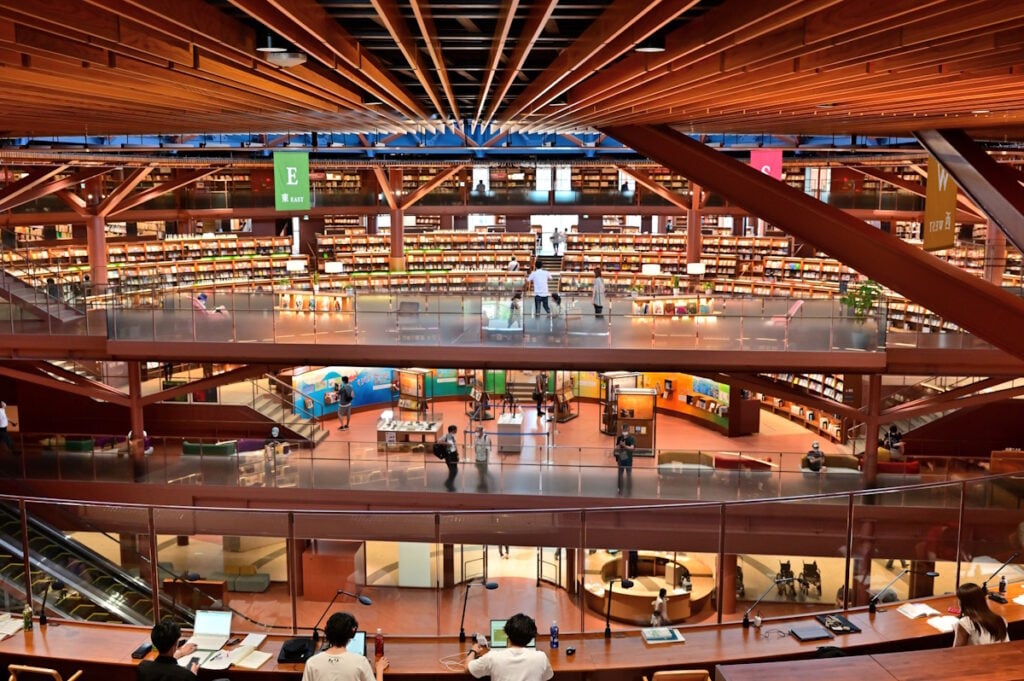
The library, reopened to fanfare in 2022, continues to bring in more visitors every year than people who live in the prefecture.
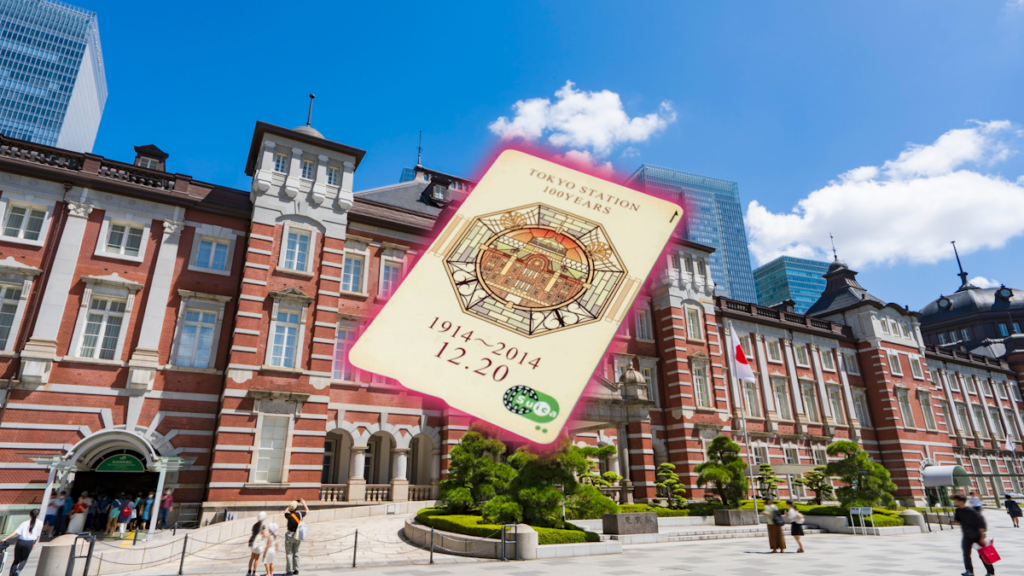
If you have one of these cards and don’t want to lose the balance – and the card – then you have only a few days left to use it.

Japan gets less sleep than any other nation. But the country’s workaholic Prime Minister doesn’t seem to care.
