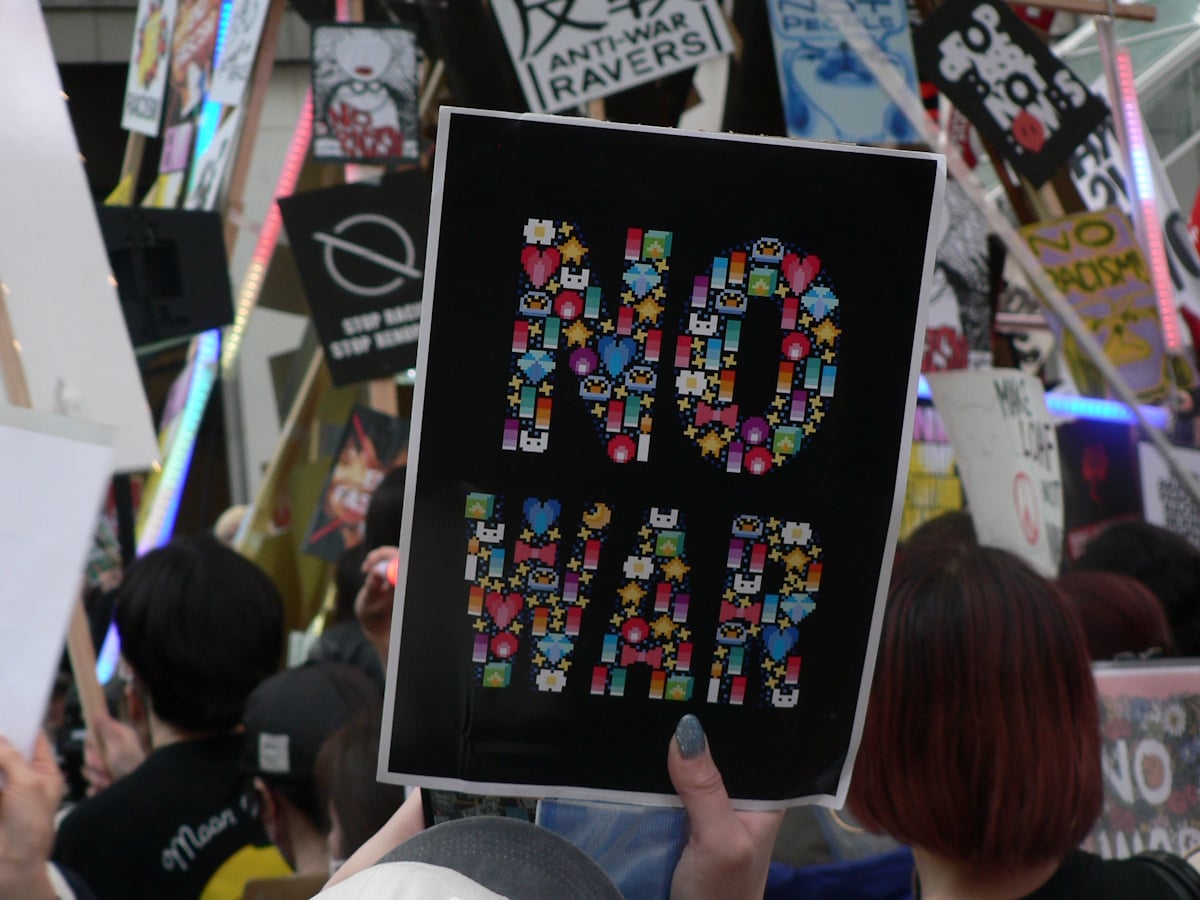


If I learned anything last night, it’s that you need to be super early to attend an anti-war protest in Japan.
I arrived at the National Diet Building 20 minutes before last night’s demonstration against the Iran War was supposed to begin. Already, police were preventing people from entering the main area, saying it was too congested. Cops repeatedly stopped anyone who tried to get closer.
Line-standers weren’t discouraged. An auxiliary speaker stationed close to the traffic jam led protestors in chants of 平和憲法、日本の宝 (heiwa kenpō, nihon no takara) – “A Constitution of peace is Japan’s treasure” – and 戦争反対、平和をまもれ (sensō hantai, heiwa o mamore) – “Oppose war, protect peace.”
I left early and discovered that police were actively preventing anyone from even approaching the general vicinity. Officers actively turned away anyone who attempted to turn up the street a block away from Kasumigaseki Station towards the legislative area. Groups of protesters gathered in small pockets around the area, staging mini-demonstrations separate from the larger one.
This scene played out, although at a smaller scale, across Tokyo and the rest of Japan. From Mitaka to Osaka, protestors gathered to show their disgust over Japan’s potential involvement in Donald Trump’s War in Iran – a move that would require revising Japan’s Constitution.
Over 3x more participants than last time
This is the third large-scale protest in Japan against the country’s potential involvement in the Iran War – and the largest to date.
According to Mainichi Shimbun, initial protests at the same location held on February 27th drew 3,600 people. The next protest, on March 10th, drew 8,600.
The latest protests show that momentum for the anti-war movement is building as word of the protests accelerates in mass media. Initially, social media users criticized Japan’s media for giving more attention to the No Kings protests in the US than they were giving to these protests on their own soil. That changed after the March 10th protest brought out a crowd more than double the size of the previous demo.
Tokyo police sure seemed concerned that things might get out of hand. The police presence was massive, with more trucks full of officers rolling up even at the event’s midpoint.
See a side of Tokyo that other tourists can't. Book a tour with Unseen Japan Tours - we'll tailor your trip to your interests and guide you through experiences usually closed off to non-Japanese speakers.

However, the so-called “penlight demos,” to date, have been orderly, peaceful, and well-organized. Protestors waved large glowsticks as speakers led them in anti-war slogan chants. Other speakers took to the main stage podium to elucidate the reasons why Japan needs to stay out of the Iran War.
Meanwhile, a small cadre of volunteer staff patrolled the lines along with police, ensuring that demonstrators stayed on task. They served as a welcome, friendly contrast to the gruff officers focused on keeping protestors confined to their officially sanctioned spaces.
Protecting Article 9
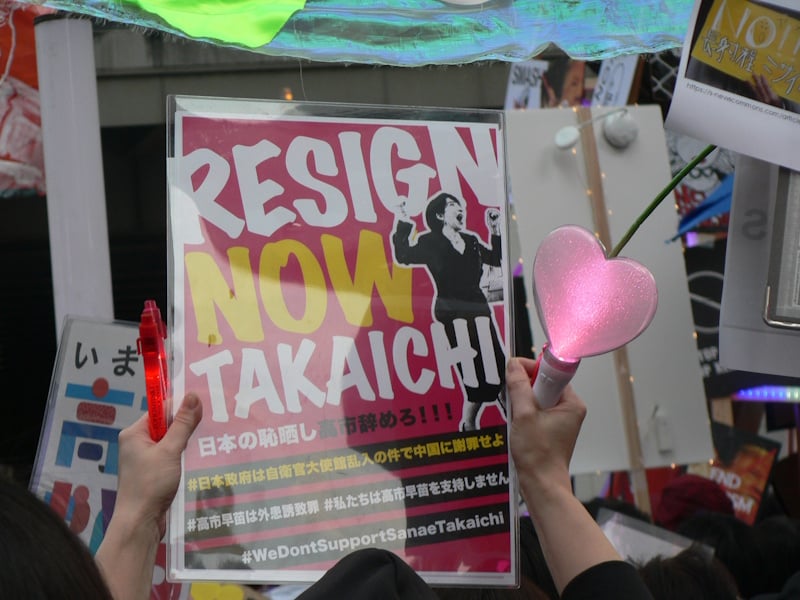
The successful protests are the work of the group We Want Our Future. The heart of their mission: protecting Article 9 of Japan’s Constitution.
Article 9 is the Constitution’s “no war” clause. It prevents Japan from engaging in armed conflict overseas, restricting its military to a self-defense posture. The article doesn’t even explicitly mention the country’s existing Self Defense Force, which it instituted in 1954. The restriction means that Japan has been unable to supply troops or munitions for conflicts such as the Iraq or Ukraine wars, limiting the SDF to offering nothing more than logistical support.
For years, Japan’s right-wing has wanted to revise Article 9 to change this. Prime Minister Takaichi Sanae’s mentor, (very) former PM Abe Shinzō, made revising the clause a key policy goal.
The problem for the ruling Liberal Democratic Party (LDP) is that, while the party desperately wants to wage war abroad, the Japanese public isn’t so sure. Support for revising the Constitution has never been strong. An NHK poll in 2018, for example, found that 29% supported the revision while 27% opposed it.
However, opposition to the change has faded in recent years. In the same NHK poll in 2025, 39% supported changing the Constitution, with only 17% opposed. The number of people who were unsure continued to hover around 39%.
The Iran War remains deeply unpopular in Japan
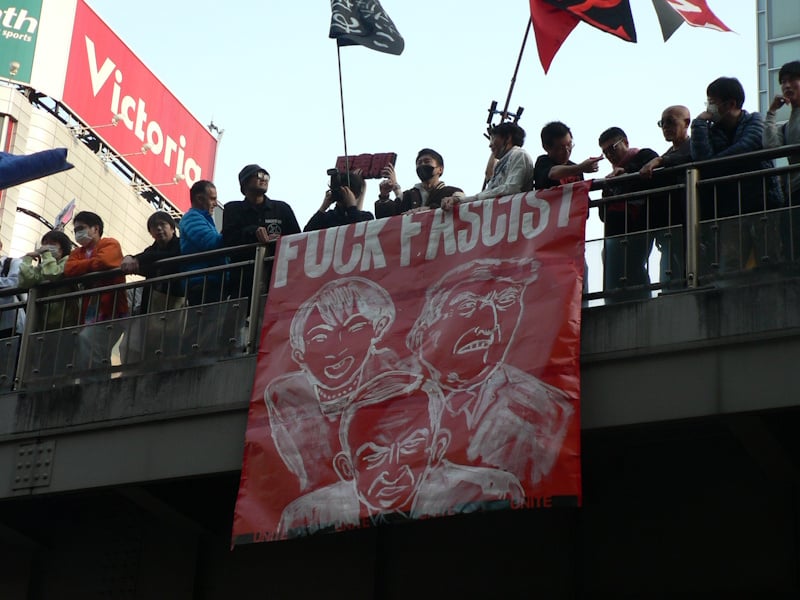
Takaichi, following in her mentor’s footsteps, has been pushing to revise Article 9 to explicitly mention the Self Defense Force and to enable Japan to take an offensive role in foreign conflicts. She’s also pushing to “revise” its stance against nuclear weapons and to lessen restrictions on weapons exports.
"Noah [at Unseen Japan] put together an itinerary that didn’t lock us in and we could travel at our own pace. In Tokyo, he guided us personally on a walking tour. Overall, he made our Japan trip an experience not to forget." - Kate and Simon S., Australia

The Iran War seems the perfect opportunity to push for the change. The US and Israel’s sudden assault on Iran led to the country closing the Hormuz Strait, a vital channel for the world’s energy. Japan gets 80% to 90% of its petroleum, and around 6.3% of its liquefied natural gas (LNG), through the Strait.
US President Donald Trump has vacillated between telling Iran to “open the fucking Strait” and telling other countries that, since the US doesn’t depend on the Strait for many natural resources, it’s their responsibility to open it. That would seem to put the onus on Japan for cleaning up Trump’s mess.
That’s not something most people in Japan want, however. A snap poll after the war started showed that 82% of those asked opposed it. Only 9% expressed support.
If Takaichi thought that Iran closing the Strait would give her an opening, she appears to be mistaken. A recent Kyodo poll shows that 64% of those asked oppose revising Article 9 to allow Japan to enter the fray.
Public opinion could shift, of course. For now, however, the message of peace espoused by anti-war protesters appears to be landing.
The incident, along with another anime-related collab controversy, is a sign of increasing tensions between Japan and China.

One lawmaker warns that proposed spy legislation could tread on a booming business in Japan: support for one’s favorite idol or star.
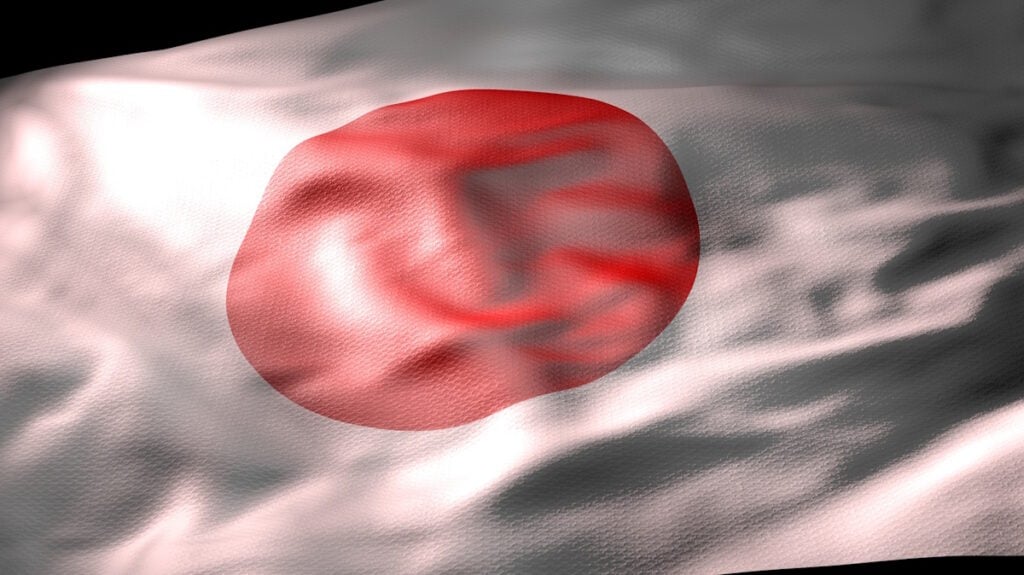
If the coalition gets its way, defacing the Hi no Maru flag – an act currently considered protected speech – could become a crime.
Sources
憲法改正反対デモ、全国へ連帯の輪広がる 国会前には3万人. Mainichi Shimbun
憲法「改正が必要」39%「改正は必要なし」17% NHK世論調査. NHK News
自衛隊派遣のための改憲、不要が64%. Kyodo News
