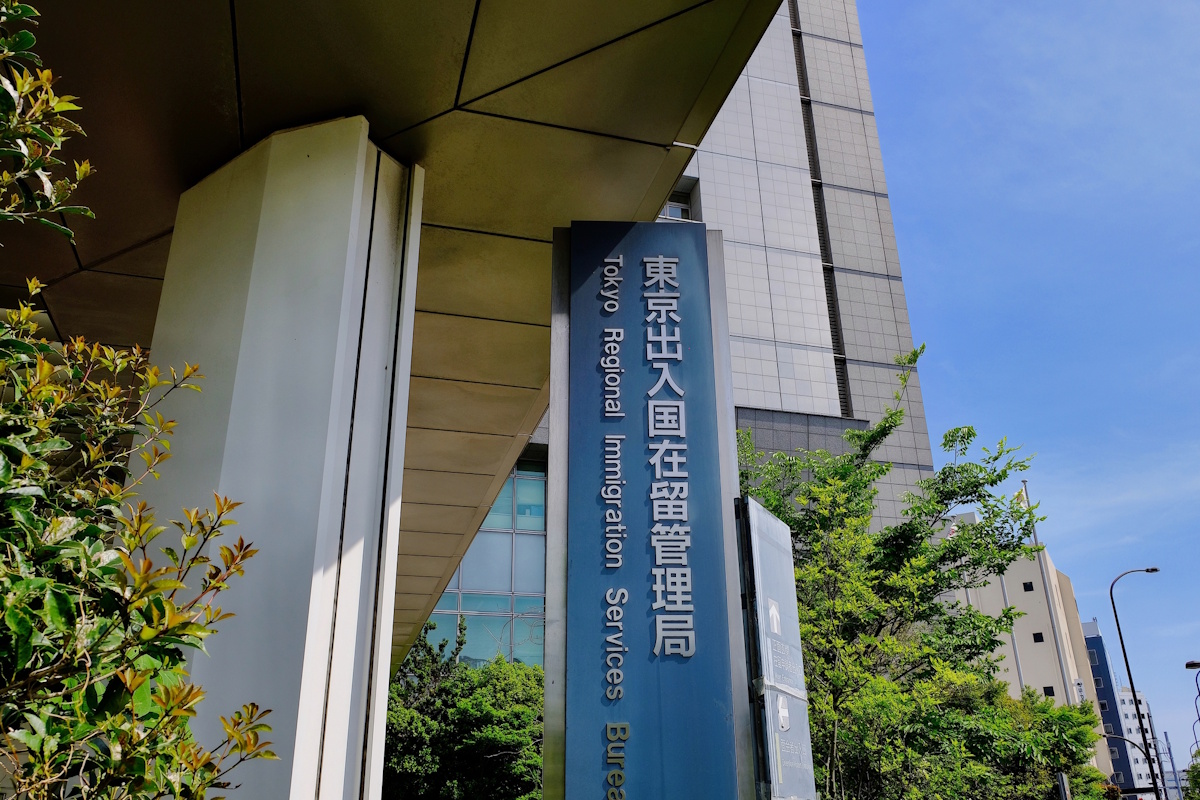


Japan is gearing up for sweeping changes to its immigration framework, with plans to introduce a new electronic travel authorization system and significantly raise visa and residency fees. The moves come as part of Prime Minister Takaichi Sanae’s “Zero Illegal Overstayers Plan” and reflect the government’s broader effort to tighten border controls while generating revenue to fund foreign resident services and other policy priorities.
Japan to expand entry screening with new JESTA system

Japan’s Immigration Services Agency (ISA) is preparing to launch an electronic travel authorization system, JESTA (Japan Electronic System for Travel Authorization), by fiscal year 2028.
The system will require travelers from the 74 visa-exempt countries and regions to undergo pre-screening before entering Japan, similar to systems already in place in the United States, the United Kingdom, and Australia. Europe is also set to roll out a comparable program in 2026.
Under JESTA, applicants’ information will be cross-referenced against criminal records, deportation histories, and other grounds for denial of entry under Japanese immigration law. Those flagged as ineligible will be prevented from boarding flights to Japan.
In a notable expansion of the system’s original scope, the ISA has decided to include certain transit passengers and cruise ship travelers in the screening process. The move is designed to close what officials describe as “loopholes.” Particularly, the risk of individuals using transit stops to enter the country without proper authorization.
Transit screening will target passengers from countries where visa-free short-term stays require a visa, as well as visa-exempt nations with high rates of entry denials, such as Thailand and Turkey. To avoid undermining the competitiveness of Japanese hub airports, the government is also considering exemptions for certain routes, such as passengers transiting to the United States, which already has its own pre-screening system.
Passengers arriving on designated cruise ships who use simplified landing procedures will also be subject to the new pre-screening requirements. Airlines and shipping operators will be required to report passenger names and other details for travelers with reservations. They will also be obligated to deny boarding to anyone whose JESTA application is not approved.
Japan will charge a processing fee for JESTA authorization.
In her policy speech on February 20, Prime Minister Takaichi stated that the legislation aims to “prevent the entry of foreign nationals who are undesirable for our country while facilitating smooth entry procedures for visitors who pose no issues.”
See a side of Tokyo that other tourists can't. Book a tour with Unseen Japan Tours - we'll tailor your trip to your interests and guide you through experiences usually closed off to non-Japanese speakers.

Visa and residency fees set for major hike in 2026
The government’s proposed revision to the Immigration Control and Refugee Recognition Act also includes a dramatic increase in residency-related fees. Currently, the legal cap on such fees is 10,000 yen, with the standard window fee set at 6,000 yen ($38) or 5,500 yen ($32) for online applications, regardless of the length of stay.
Under the new plan, the cap will be raised to 100,000 yen ($644) for status of residence renewals and changes, and to 300,000 yen ($1,933) for permanent residency permits. The actual fees, to be determined by government ordinance, are expected to scale according to the length of stay: around 10,000 yen ($64) for stays of three months or less, 20,000 ($128) to 30,000 yen ($193) for one-year stays, and approximately 70,000 yen ($451) for five-year stays. Online applicants would receive a modest discount.
The most striking increase applies to permanent residency permits, which are expected to jump from the current 10,000 yen to a default of around 200,000 yen ($1,280). That is a twentyfold increase and one that is likely to draw significant attention from the roughly 4.13 million foreign residents now living in Japan, a record high as of the end of 2025. The ISA has said the revenue from these fee hikes will be used to fund new programs for foreign residents, including Japanese-language education and orientation on Japanese systems and institutions.
To address affordability concerns, the government plans to introduce a fee reduction or exemption system for those facing economic hardship or other special circumstances. However, for permanent residency applications, this relief will be limited to spouses and children of Japanese nationals, permanent residents, and special permanent residents.
The legislation will also stipulate that fees must take into account actual administrative costs, the costs of maintaining proper immigration management, and fee levels in other countries, to prevent unchecked future increases.
The Ministry of Finance projects that the combined revenue from higher residency fees, visa issuance fees, and an increase in the International Tourist Tax collected upon departure will generate approximately 225 billion yen ($1.45B) in additional income in fiscal 2026. Those numbers could go higher if Japan meets its goal of attracting 60 million tourists a year.
About 60% of the projected total is earmarked for programs related to foreign residents. The remaining 40% will be directed to other policy areas, helping fund initiatives such as free high school tuition and the elimination of the provisional gasoline tax rate.
Japan’s planned overhaul of its entry screening and fee structure marks one of the most significant shifts in immigration policy in recent years. The government frames the changes as necessary for both security and sustainability.
Planning a trip to Japan? Get an authentic, interpreted experience from Unseen Japan Tours and see a side of the country others miss!

Make no mistake, though: the new fee will be a major hardship for many foreigners who, along with Japanese citizens, are struggling with stagnant wages and rising living costs.
Nara Deer Move Themselves to Osaka – and Nara Doesn’t Want Them Back
There are too many deer in Nara Park. To remedy the situation, it seems at least a few of the creatures are seeking greener pastures.

Tokyo Citizens Protest That the Rent Is Too Damn High
Tokyo is becoming hard to afford for more people, with the cost of a one-bedroom home reaching record levels.

Immigrant Crime in Japan Is Dropping as Anti-Immigrant Rhetoric Soars
Right-wingers in Japan claim that the country is becoming more unsafe due to immigrants. The data doesn’t back that up.
Sources
外国人の入国事前審査、対象拡大へ 永住許可の手数料1万→20万円. Asahi Shimbun
