


Wages in Japan have remained stagnant for decades. So you think it would be a good thing when wages go up in parts of the country. That’s what’s happening in areas of Japan such as Niseko, Hakone, and other heavy tourist draws. However, one group of people isn’t happy about the development: employers.
Hokkaido Shimbun reports that the massive influx of tourists to the popular ski resort town of Niseko has left resorts in a scramble to hire workers. That’s caused some resorts to start offering hourly wages up to 2,000 yen ($12.89).
That’s good money for Japan. The current average hourly nationwide is 1,055 yen ($6.88). Japan’s government wants to raise it to 1,500 yen ($9.79) within the next 10 years.
A similar phenomenon, says Nikkei, is happening across Japan. Wages in Japan’s Taito City (home of Ueno Park and Tokyo Museum) are up 7% and up 8.10% in Hakone and other parts of Kanagawa Prefecture. In Niseko, says Nikkei, the average hourly wage has gone up a whopping 10%.
Some employers, though, aren’t happy. Businesses from the supermarket to the postal service are complaining they can’t hire workers quickly enough to meet the burgeoning demand that tourism’s brought to these areas.
Japan’s chronically stingy businesses

The problem? Wages. While resorts are paying people a liveable wage, services like Japan Post are only offering 1,030 yen an hour.
Other critical local services are impacted by the wage spike. One senior living center said it’s struggling to replace four workers leaving by March. Their hourly wage is a mere 1,160 yen ($7.48) – almost half of what some resorts are charging.

Want more news and views from Japan? Donate $5/month ($60 one-time donation) to the Unseen Japan Journalism Fund to join Unseen Japan Insider. You'll get our Insider newsletter with more news and deep dives, a chance to get your burning Japan questions answered, and a voice in our future editorial direction.
A general raise in wages is long overdue in Japan. Wage stagnation and rising prices of everything from eggs to cabbage have left many in the country feeling hemmed in.
However, many employers across Japan say they can’t afford to pay more than the measly wages they currently pay. In response to the government’s plan to raise hourly wages to 1,500 yen, 48.4% of employers in one survey said it was “impossible” for them to pay that.
Japanese responses to such complaints from employers range from mild sympathy to outright disdain. Many commenters on X, for example, say that 2,000 yen is still too cheap given the current economic climate.
In 2023, when newspapers ran a story about employers grousing over the high wages paid by Costco Japan, many commenters said they didn’t care whether high wages drove some companies out of business.
In the current case, commenters aren’t shocked that workers will gravitate toward doing the same work for better pay. That could help usher in a new era for the Japanese workforce. As one commenter put it, “The era of justifying making people work for low wages with slick statements like ‘we’re protecting local employment’ feels like it’s nearing an end.”

The library, reopened to fanfare in 2022, continues to bring in more visitors every year than people who live in the prefecture.
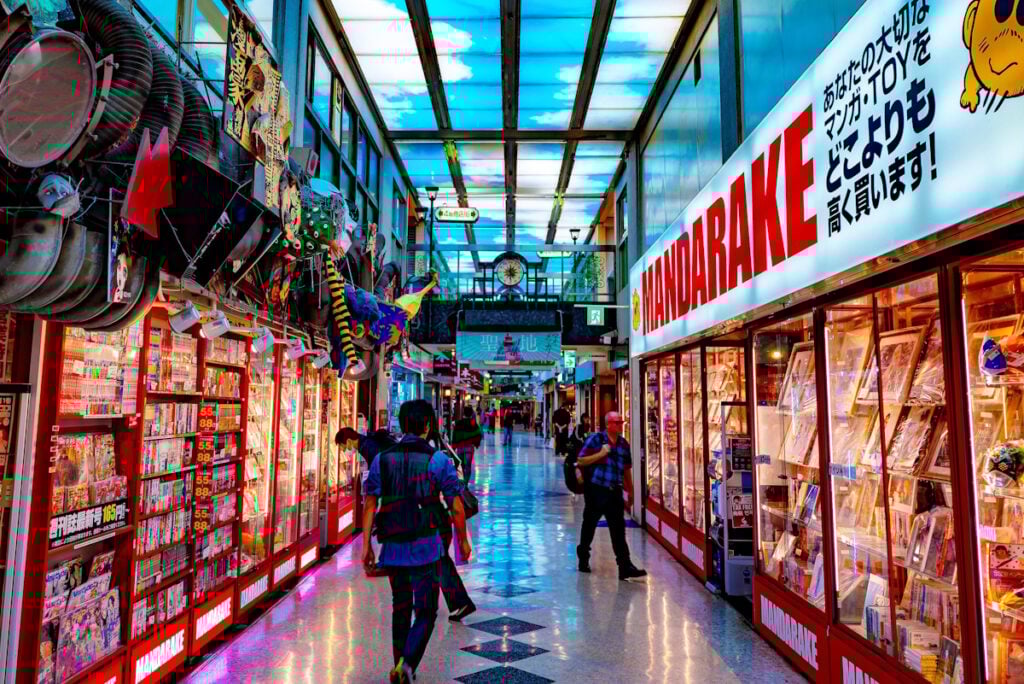
Japan’s anime and manga industries are growing wary of the impact of GenAI on their bottom line – but don’t have any good solutions.
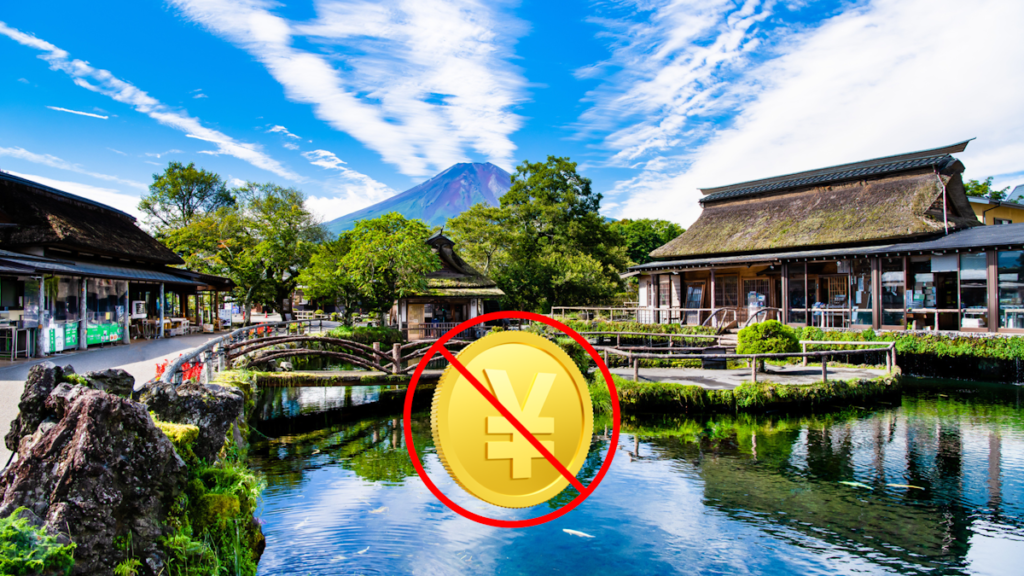
Officials are worried about the environmental impact after tourists dumped 18,000 coins into the ponds in 2025, despite clearly posted signs.
