


It’s long been a headache for residents. Now, fed-up city officials are installing a security camera to prevent people from standing in the road of a famous anime holy site.
NHK reports that officials in Kamakura, Kanagawa Prefecture, have installed the camera at the railroad crossing of the Enoshima train made famous by the basketball manga and anime Slam Dunk. The camera will be accompanied by signs in Japanese, English, Chinese, and Korean warning people that the area is subject to 24-hour surveillance.
As we reported last year, the spot has been a headache for city officials ever since Japan reopened for tourism. Tourists – both domestic and inbound – often stand in the road to take pictures, posing a danger to themselves and oncoming vehicles. Officials have assigned police and put up signs in the area – apparently, to no avail.

The problems faced by Kamakura are similar to those faced by the Lawson convenience store in Yamanashi Prefecture’s Fujikawaguchiko. Officials in that city have put up a curtain to prevent people from standing in the road to take pictures of the combini with the mountain looming in the background.
Satoyoshi Koji, who oversees safety and security for local connecting points, said, “We’re searching for a strategy in response to concerns about trouble between residents and tourists due to disruptive behavior.”
As of press time, the English version of the Kamakura official tourism website doesn’t have any pages explaining this or other rules to inbound visitors.
Japan is aiming to welcome 60 million visitors a year by 2030. The influx of visitors is leading to mounting complaints from residents about overcrowded buses, trespassers, and ill-mannered tourists.
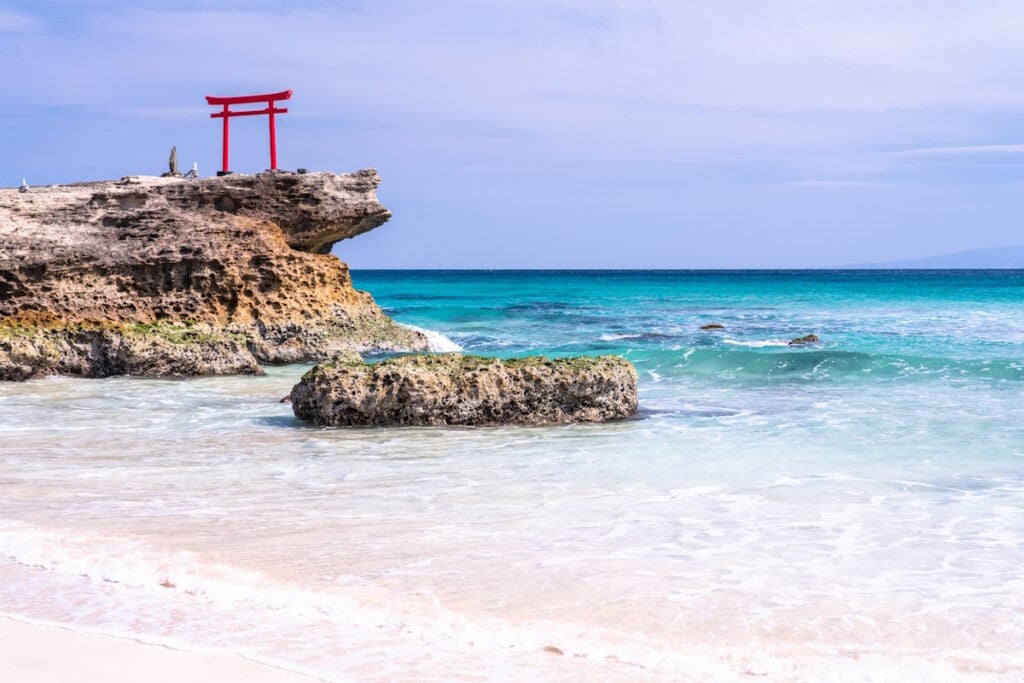
Our top-scoring towns feature beautiful, swimmable waters, a balance of attraction and solitude, and authentic marine culture.
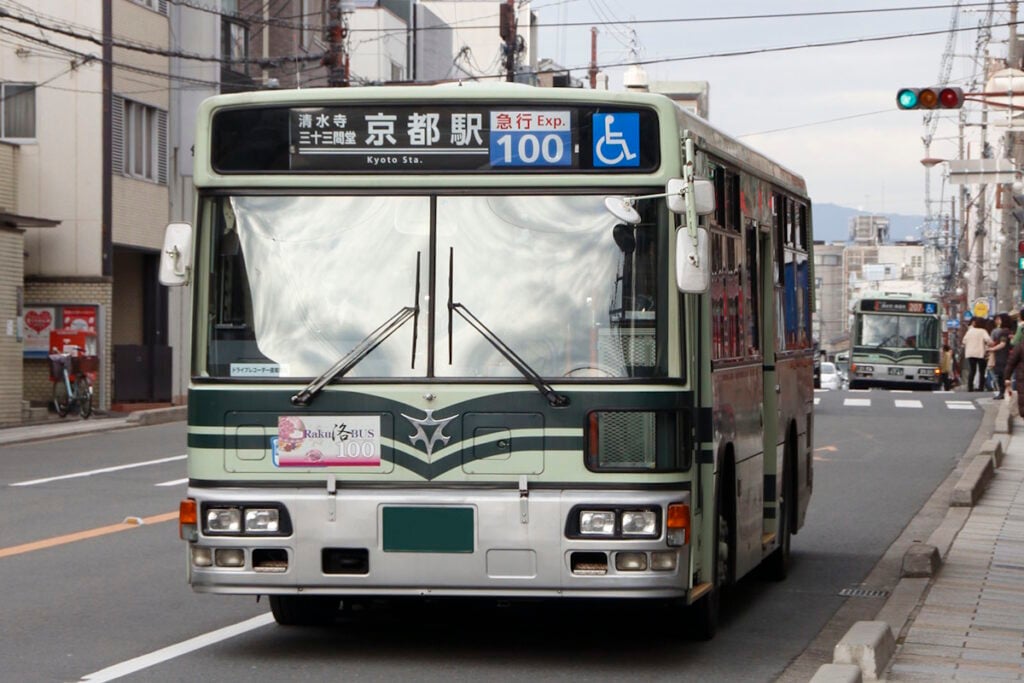
The city hopes that charging tourists more will make it easier for residents to get around and fund new transportation initiatives.
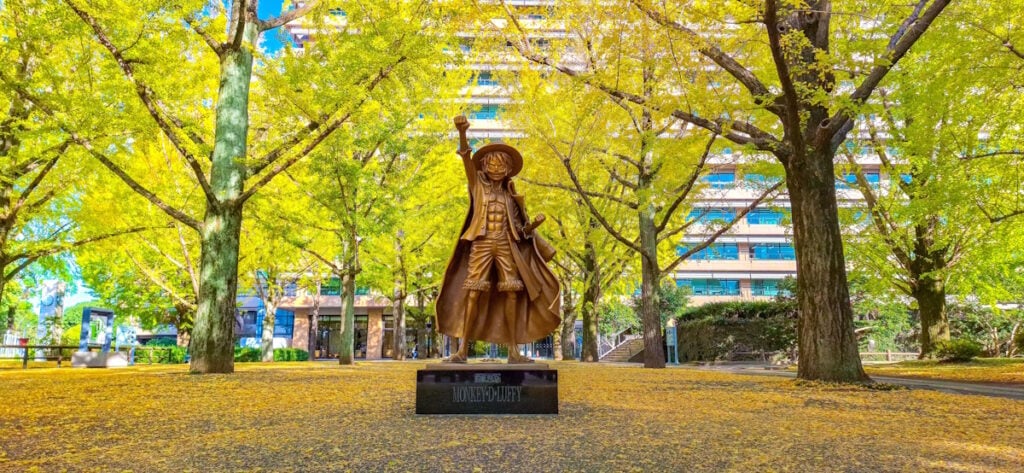
How anime pilgrimage in Japan has evolved from a fan ritual into a coordinated regional strategy to boost tourism.
