


A nonbinary person in Japan is asking a Kyoto court to grant what would be a unique request: changing their gender on their family registry.
The request comes from a Kyoto resident in their 50s who was assigned female at birth but doesn’t identify as either male or female in daily life. They said they’ve felt uneasy about being forced to select a gender their entire lives.
As a result, they have asked a Kyoto court to change their koseki (戸籍), or family registry, which currently lists them as “eldest daughter” (長女; choujo). They’re asking the designation instead be changed to “first child” (第1子; dai isshi).
They may have a legal case. In Japan, every citizen has a family registry that serves as a birth certificate, listing birth date, gender, parental relations, spousal relations, and other information. While gender is listed, there’s nothing in the Family Registry Law that specifies that gender must be listed or that it must be a specific value.
The applicant’s lawyer, Nakaoka Shun, argues that refusing to change their client’s koseki would amount to a violation of the 13th Amendment of Japan’s Constitution, which protects the individual rights and dignity of citizens.
There has been some movement in Japan in recent years to remove gender selection columns from official forms. The Tokyo Marathon earlier this year announced it was adding a nonbinary option to submission forms. Many schools across Japan have also relaxed gender choices in school uniforms, allowing students of any gender to select either slacks or skirts.

The parade in Hitachi, Ibaraki Prefecture, shows how Japan’s LGBTQ+ citizens are committed to raising awareness in smaller cities and towns.
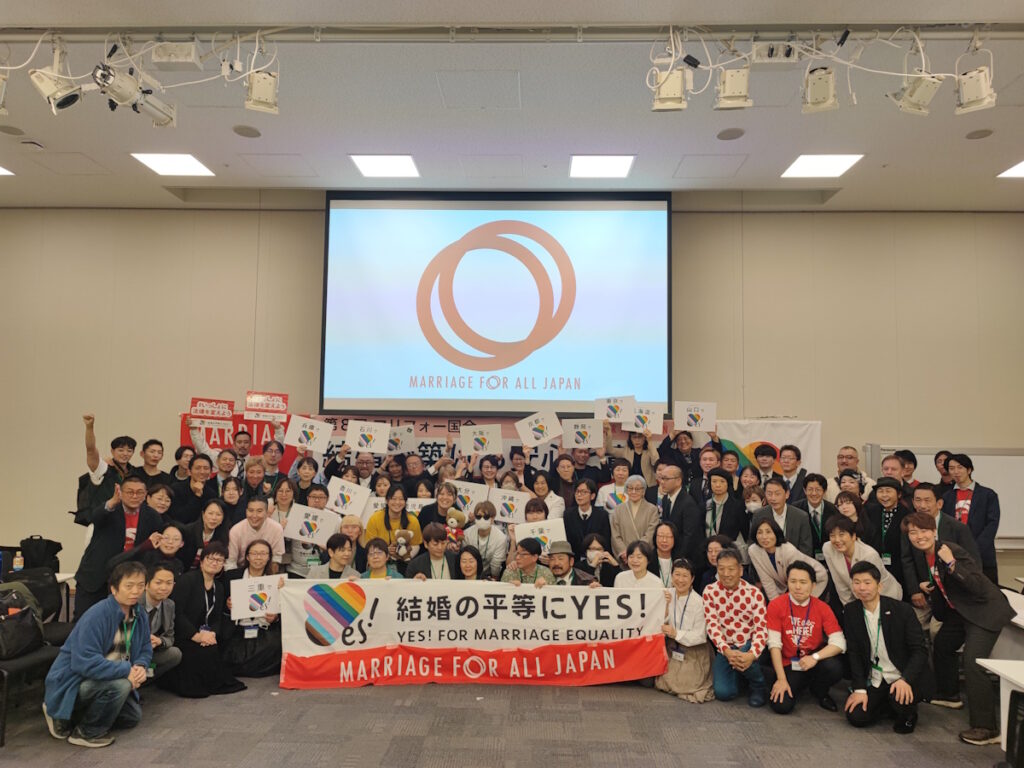
After a bitter court loss, LGBTQ people in Japan continue pressing politicians for fast action.
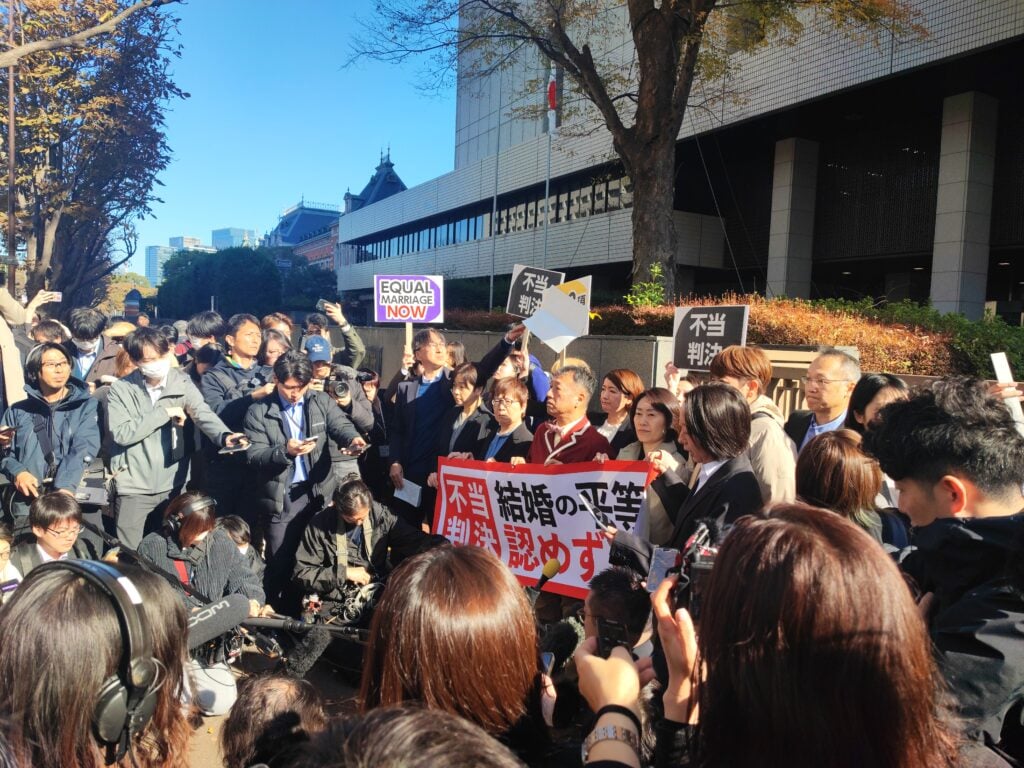
Supporters of marriage equality in Japan were met with an unexpected setback after a series of affirmative rulings.
