

My heart sank when I first heard the news about the murder at the Pokémon Center in Tokyo’s Ikebukuro. I hadn’t read many of the details. But based on the little I heard, my first reaction was, “This was a stalking incident.”
Unfortunately, that instinct proved correct. The heinous crime once again puts a spotlight on gaps in the country’s stalking laws, just as new data shows stalking reports have hit an all-time high. Critics say the current law focuses too much on convincing victims to escape rather than monitoring and restraining potential perpetrators.
The victim left her controlling ex
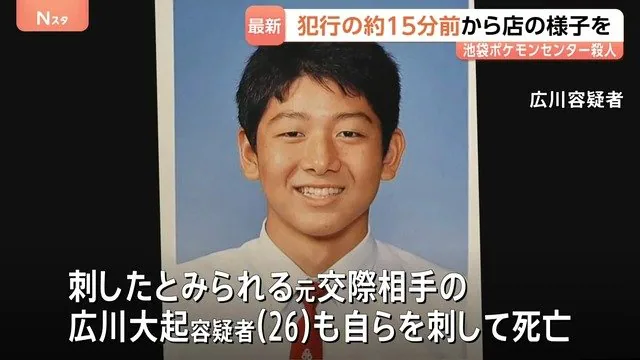
On March 26th, after 7pm, 26-year-old Hirokawa Taiki spent around 15 minutes observing the Pokémon Center on the second floor of Ikebukuro’s Sunshine City mall. He then entered and used a knife to viciously attack 21-year-old Harukawa Moe.
Reports of the attack are grim. Witnesses told the media that Harukawa attempted to flee after the initial attack, leading Hirokawa to attack her again.
After repeatedly attacking Harukawa, Hirokawa slit his own throat. Both died at the scene.
This was no spur-of-the-moment killing. It was a cold-blooded murder planned by an obsessed ex. And it could have been prevented.
Harukawa and Hirokawa reportedly dated starting in October 2024 and worked together at the same fast-food restaurant in Tokyo’s Hachiōji neighborhood. Harukawa, however, quit in July 2025 when she landed the job at the Pokémon Center, saying that working there was her dream.
This didn’t sit well with Hirokawa. He insisted that the job didn’t “suit” her and she should quit. She refused and ended their relationship.
Released after a month and a fine
As is the case with controlling men, Hirokawa couldn’t take no for an answer. After Harukawa blocked him on LINE and other social media platforms, he began stalking her at her work and home. It became so bad that Harukawa had to take a leave from work.
On December 25th, Harukawa came home to find a Pokémon card with the message, “Please contact me tonight. Save me.”
Harukawa went to the cops, who arrested Hirokawa on stalking charges. All in all, Harukawa consulted with police nine times over Hirokawa’s stalking.
See a side of Tokyo that other tourists can't. Book a tour with Unseen Japan Tours - we'll tailor your trip to your interests and guide you through experiences usually closed off to non-Japanese speakers.

Hirokawa was released on January 31st after a summary judgment, which required him to pay a fine of 800,000 yen ($5,007). He lived at home, where his mother apparently told authorities she would keep watch over him.
Police issued a restraining order against Hirokawa. However, they also urged Harukawa to find a new job and, essentially, change her life to stay safe. That’s standard operating procedure under Japan’s stalking law, which focuses on helping the victim escape rather than on restraining the suspect.
Harukawa refused. The job meant too much to her. She continued to work at the Pokémon Center until her murder.
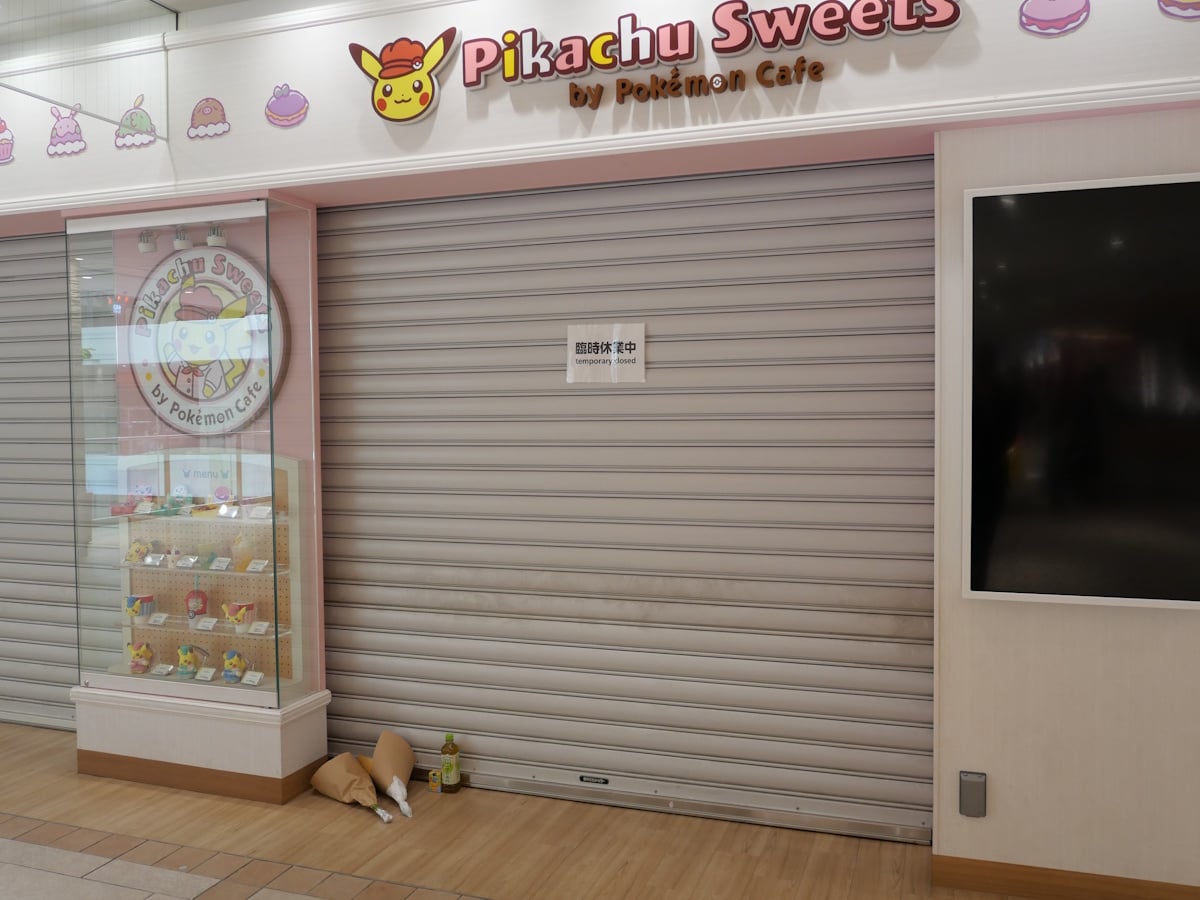
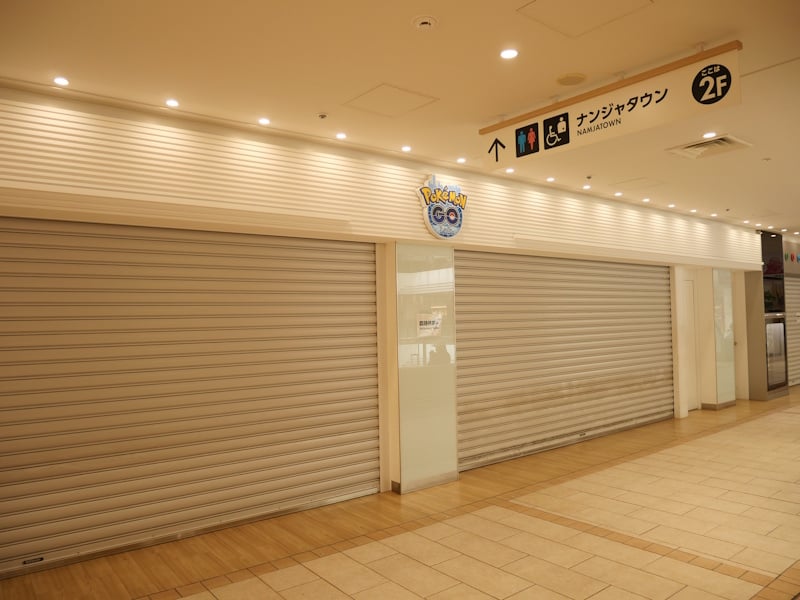
The Sunshine City Pokémon Center and the accompanying Pokémon Cafe shop are both closed until further notice. Mourners have occasionally been leaving gifts of flowers and tea, which either Sunshine City or store management appear to be cleaning up periodically.
A series of high-profile stalking murders
The preventable tragedy follows a series of other high-profile stalking/murder incidents in Japan.
In 2025, police arrested Shirai Hideyuki for the murder of his ex-girlfriend, 20-year-old Okazaki Asahi. The murder came after Okazaki reported Shirai to the police on nine separate occasions. Even after she was murdered, it took police over four months to enter Shirai’s home to look for evidence, at which point they found Okazaki’s skeletal remains.
Okazaki’s murder comes after another high-profile stalking and murder incident in 2023, when 31-year-old Terauchi Susumu murdered 38-year-old Kawano Miki after she broke up with him. In that case, Terauchi had been under a restraining order for months; he attacked Kawano shortly after she had it lifted, feeling the danger was over.
In 2025, according to the National Police Agency (NPA), there were 3,717 cases of stalking in Japan – a new record. Police fielded over 22,000 cases of consultation related to stalking, the second-highest number ever.
Should stalkers be GPS-tagged?
Okazaki’s murder has led the NPA to consider changing the stalking law to enable them to be more proactive. In Okazaki’s case, she didn’t file a formal police report because she feared retaliation from her ex. The legal change would allow police to issue warnings to suspects even without a formal complaint.
That wouldn’t have helped Harukawa, however, as her ex-boyfriend had already been arrested once. In this case, the failure seems to lie more with prosecutors than police, who opted to fine Hirokawa rather than seek jail time.
"Noah [at Unseen Japan] put together an itinerary that didn’t lock us in and we could travel at our own pace. In Tokyo, he guided us personally on a walking tour. Overall, he made our Japan trip an experience not to forget." - Kate and Simon S., Australia

However, experts say that police could have done more as well. Critics contend that Japan’s current stalker law is focused more on helping the victim run away, which requires the victim to upend her life, rather than on monitoring and controlling the behavior of suspects.
For example, police recommended that Hirokawa seek psychological treatment – a recommendation that wasn’t legally binding and that he refused. In addition, leaving Hirokawa under the supervision of his family meant that authorities weren’t directly responsible for monitoring and restraining him.
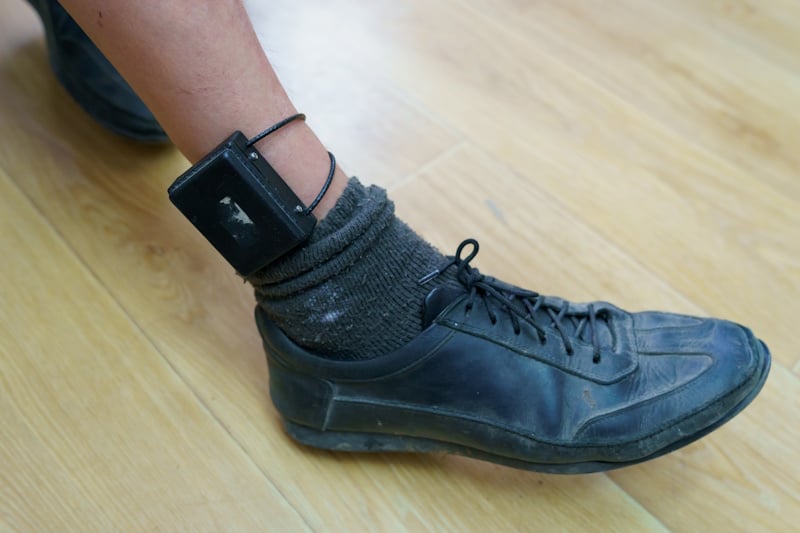
Commentators on a recent Fuji TV newscast regarding the case point to South Korea, which passed a tougher anti-stalking law in 2024. There, stalkers who are considered at high risk of escalated behavior must wear GPS devices strapped to their ankles. The devices can automatically trigger an alarm if the stalker approaches areas within the victim’s daily sphere of activity.
This, of course, would require changing Japan’s stalker law. A change would mark the fourth major revision to the law since 2000, which has been updated three times already in reaction to past incidents.

The kids in Japan aren’t alright: new stats show an increasing number are turning to illegal activity in the tough-on-crime country.

A Japanese cosplayer appeared in court wearing panda pajamas as she reversed her not-guilty plea on charges of mutilating her boyfriend.
Japanese social media users were aghast at reports of the deaths, which raised serious questions about how the facility managed safety.
Sources
池袋刺殺の容疑者、被害女性のポケモンセンター勤務「向いてないから辞めろ」…別れ告げられる. Yomiuri Shimbun
東京・池袋ポケモンセンター刺殺事件 “涙を流しながら大声、何度も刺した” トイレから男の「水没したスマホ」発見 犯行直前の行動明らかに. TBS News Dig (via Yahoo! News)
「被害者の顔を晒すのは違う」ポケモンセンター刺殺事件で卒業アルバム写真を報じた日テレに批判の声続出. Yahoo! News JP
袋・ポケモンセンター 元交際相手“刺殺” 死亡の男、逃げる女性追いかけ再襲撃か. TV Asahi News
「ポケモンセンターのバイト辞めろ」と言われ女性が別れ決意 元交際相手の男が一方的に執着心を募らせたか 池袋女性刺殺. FNN Prime Online
【解説】池袋ストーカー殺人 警察9回対応も「受診依頼」「監護監視」に強制力なし 韓国ではGPS導入で再犯率が9分の1に. FNN Prime Online
〈池袋・ストーカー殺人〉「立派なお兄ちゃんだったのに…」馬乗りになり凶行に及んだ廣川容疑者(26)沖縄少年時代は水泳で県新記録、成績優秀だったが受験に失敗. Shūeisha Online
