
Japan’s famous red light districts can be a fun spot to go and have a good time. They’re also locations where careless and inebriated people can lose a lot of money to criminals. In 2022, Sapporo passed an ordinance meant to address this. However, the city’s own data showed the number of barkers climbing again in 2024, two years after the law took effect.
48.3 violations per hour

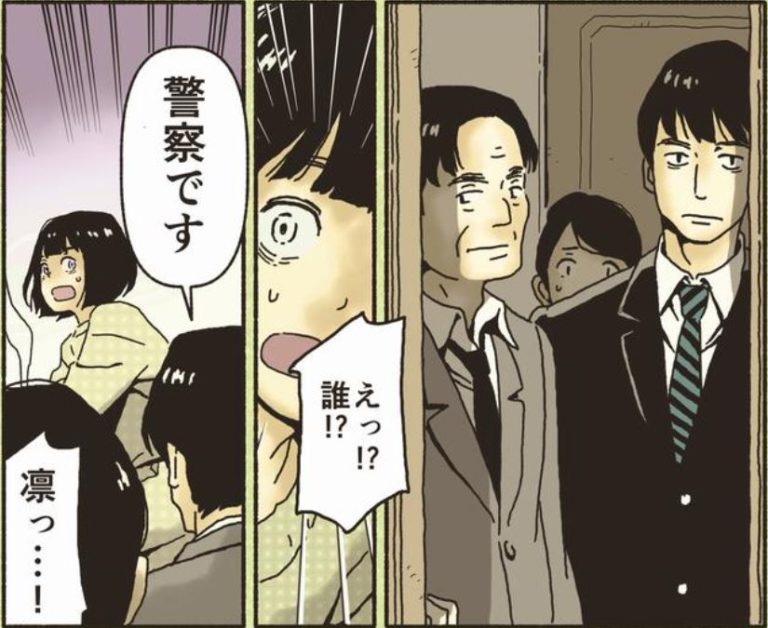
In most areas of Japan, it’s legal for a nightlife business—such as a girl’s bar or a concept cafe—to have people stand on the street with a sign and even shout, so long as they’re not targeting specific individuals. Barkering, or 客引き (kyaku-hiki) in Japanese, involves flagging down individual customers, sometimes even blocking their way or grabbing them physically.
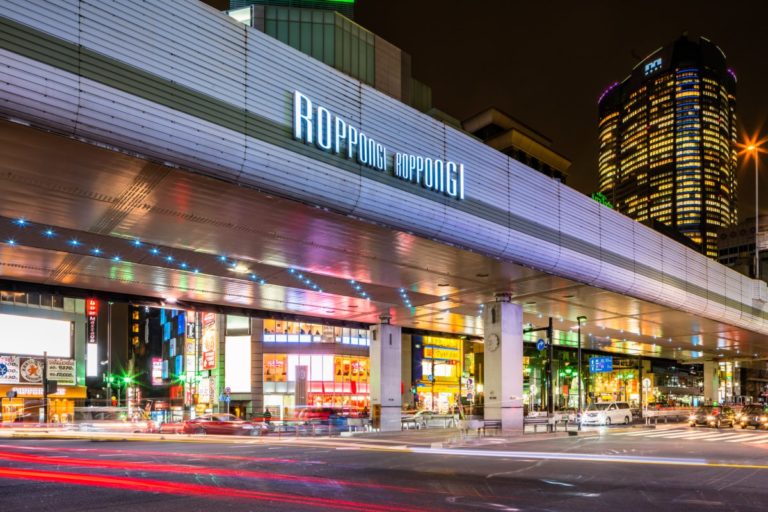
Most cities with a red light district in Japan outlaw barker activity by city ordinance. That doesn’t mean it doesn’t happen. Walk down Kabukicho in Tokyo’s Shinjuku on any evening and you’ll eventually be flagged down by someone trying to drag you into an izakaya or a sex-related business such as an “oppai pub” (おっパブ; oppabu), or titty bar.
While some of these establishments are legitimate, most are scam operations that tack on charges surreptitiously. Customers can find themselves out hundreds or even thousands of dollars for entering the wrong location.
Sapporo’s ordinance against barker activity took full effect in July 2022. Violators who ignore a city order are subject to having their names made public and a fine up to 50,000 yen ($346).
Despite these regulations, reports Hokkaido Shimbun, the problem remains rampant. A city survey for fiscal 2024 found 48.3 incidents of soliciting an hour. That’s up by 10 people per hour over the previous year.
No fines under new law
The increase is likely the result of lax enforcement. Like Kabukicho, the city has “advisors” patrolling the streets. If they see barker activity happen, they tell the offenders to knock it off.
However, the barkers pretty much go back about their business once the advisors leave. They know the patrol members’ faces now, too, which means they can stop barkering the moment they see them and then resume once they leave the area.
As a result, the number of incidents fell in 2022 when the law was first passed but has since climbed again. According to the city, in 2024, advisors directed barkers verbally against their activity 11,713 times. It issued a more formal request for cooperation in 47 cases, an official warning in nine cases, and an order to cease and desist in two cases. The city says it didn’t issue a single fine for barker activity during the year.
Update (November 2026): Enforcement has picked up since this story ran. In 2026, the city began publicly naming barkers who violated the ordinance. Hokkaido Shimbun reported in September 2026 that the number of barkers fell more than 60% between fiscal 2021, the year before the ordinance, and fiscal 2025, though the ones who remain have gotten better at dodging patrols.
Moral of the story: Be careful if you head into a red light district like Kabukicho or Susukino. If someone tries to coax you into their store, they’re breaking the law – and likely planning to rip you off.