
Source: @nikkei on X (2026-04-13)
Overall verdictLet it shrink, with near-unanimous conviction. This thread is remarkable for how little disagreement it contains. The Nikkei article framed the foreign worker visa freeze as a problem: restaurants like Isomaru Suisan are considering reduced hours, the industry is struggling. But the reply section treated this framing as the real problem. The most-liked comment (1,897 hearts) laid out the position that would dominate the entire thread: “If the industry can’t run without foreign workers, don’t force it. Just operate within what’s possible. I don’t think anyone wants to trade public safety for convenience.” The second most-liked (1,851 hearts) was blunter: “If the restaurant industry can’t survive without foreigners, let it decline. Just reduce the number of stores.” This was not a debate. It was a near-unanimous declaration that Japan should accept economic contraction rather than continue importing labor. The few dissenting voices, those who pointed out that someone has to do the work, were vastly outnumbered.
Note: Comments on X (formerly Twitter) in Japan tend to skew toward the political right, though individual threads may lean left depending on the original poster and topic. These comments are not necessarily representative of the Japanese population as a whole.
What the tweet was about
On April 13, 2026, Nikkei reported that the Japanese government’s freeze on new “Tokutei Gino” (Specified Skilled Worker) visa approvals was causing significant disruption in the restaurant industry. Isomaru Suisan, a major izakaya chain, was reportedly considering shortened operating hours due to staffing shortages. The Specified Skilled Worker visa program, introduced in 2019, was designed to address labor shortages in industries like food service, nursing care, and construction by bringing in foreign workers with basic skills.
The freeze is part of a broader recalibration of Japan’s immigration policy. The Specified Skilled Worker program has been controversial since its inception, with critics arguing it functions as a backdoor immigration policy while supporters say it is essential to keeping service industries operational in a country with a shrinking working-age population.
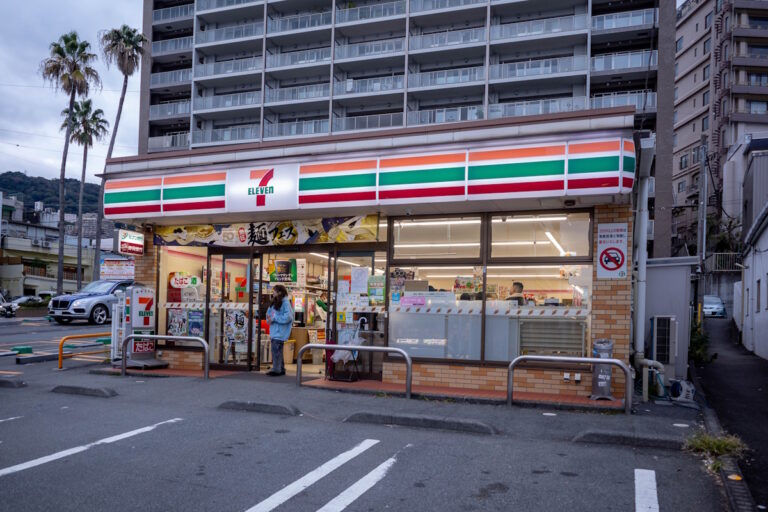
Japan’s convenience store and restaurant sectors have become heavily dependent on foreign labor in recent years. The government has also raised visa fees and expanded screening, signaling a more restrictive posture. Meanwhile, local governments like Ibaraki Prefecture have offered bounties for reporting illegal foreign workers, reflecting grassroots pressure to tighten enforcement.
Sentiment distribution (engagement-weighted)
comment
sentiment
Highest-engagement comments
日本の政治家なら、まず日本人を増やしAIやロボットの開発を全力で取り組み、直近の労働力不足はシンガポール方式で対応するのが正解日本経済新聞 電子版(日経電子版) on X (formerly Twitter): “「特定技能」外国人受け入れ停止、外食に打撃 磯丸水産は時短も視野https://t.co/aGb4mIdH8K / X”
「特定技能」外国人受け入れ停止、外食に打撃 磯丸水産は時短も視野https://t.co/aGb4mIdH8K
Activity timeline (JST, 2026-04-13)
Key themes in detail
📉 Shrink the industry instead · 56.3% of engagement
The dominant argument was not anti-immigration per se but anti-dependency. Commenters argued that if the restaurant industry cannot function without foreign workers, the correct response is to reduce the number of stores, shorten operating hours, and stop treating 24-hour convenience as a necessity. “Late-night convenience stores, long operating hours: it’s enough already,” the top comment read. This position was framed as pragmatic rather than xenophobic: Japan should right-size its service sector to match its actual domestic labor supply rather than papering over the gap with imported workers. Multiple commenters said they would happily accept higher prices and fewer options.
🚫 General anti-immigration · 16.3% of engagement
A large portion of comments expressed broader opposition to foreign worker programs without the nuance of the “shrink it” camp. These ranged from straightforward “we don’t need foreigners” statements to more heated rhetoric about cultural dilution and demographic replacement. Some commenters questioned why restaurant work qualifies as a “specified skill” at all, asking sarcastically whether the foreign workers could fillet fugu. Others argued that easy access to Japanese work visas attracts people who overstay and contribute to social problems. This camp overlapped heavily with the crime/safety theme.
💰 Raise wages for Japanese workers · 4.0% of engagement
A practical-minded cluster argued that the labor shortage is artificial: if restaurants paid higher wages, Japanese workers would fill the positions. These commenters accused the industry of using foreign workers as a tool to suppress wages, arguing that cheap imported labor lets companies avoid the market correction that would naturally occur. “Raise the hourly wage and hire Japanese people,” one commenter wrote simply. Others pointed to the Showa era, when Japan responded to labor shortages with wage increases and automation rather than immigration, and argued the economy grew stronger for it.
🚨 Crime/safety concerns · 2.2% of engagement
A recurring theme linked foreign workers to crime and public safety deterioration. Commenters cited specific incidents and neighborhoods where they felt safety had declined due to foreign residents. One commenter wrote: “I don’t think anyone wants to trade public safety for convenience.” This theme was often presented as the decisive argument against continued foreign worker intake: even if the economic case for immigration is strong, the social costs in terms of safety are unacceptable. The tone ranged from measured concern to openly hostile generalizations.
👶 Fix root cause (demographics) · 11.0% of engagement
A small but pointed group argued that the entire debate is downstream of Japan’s failure to address its demographic decline. “Why haven’t they fixed the root cause?” one highly-liked comment asked. “Incompetent government.” These commenters saw foreign worker programs as a band-aid that allows politicians to avoid the harder work of making Japan a country where people want to have children: affordable housing, childcare, work-life balance, and economic security for young families.
⚙️ Fix immigration system design · 0.2% of engagement
A pragmatic minority did not oppose foreign workers categorically but argued the system is badly designed. Their position: temporary workers on clear contracts with return-date obligations would face far less public resistance than the current system, which they see as creeping toward permanent settlement. One commenter wrote: “If they’d set it up from the start as temporary workers who go home when the contract ends, there wouldn’t be this backlash. The problem is that they pushed ‘multicultural coexistence’ and aimed for permanent residency.”