Source: @YahooNewsTopics on X (2026-04-16)
Overall verdictUniversal Frustration. The reaction to a survey showing 89.9% of fans dislike randomized merchandise was an almost cathartic avalanche of agreement. The most-liked reply (2,283 likes) set the tone: random goods used to be acceptable when they cost pocket change, but charging 700 to 1,000 yen per blind draw is unforgivable. Fans described feeling like hostages to their own affection, forced to gamble at escalating prices because there is no other way to get merchandise of their favorite characters. Particular scorn was reserved for Bandai, whose earlier survey had claimed consumers found randomized merch “exciting,” a finding commenters called laughable. A pragmatic undercurrent noted that many fans have simply given up on the gacha system entirely and now buy specific items secondhand on Mercari. Only a handful of voices defended the system, acknowledging that randomization prevents popular characters from instantly selling out while unpopular ones gather dust.
Note: Comments on X (formerly Twitter) in Japan tend to skew toward the political right, though individual threads may lean left depending on the original poster and topic. These comments are not necessarily representative of the Japanese population as a whole.
What the tweet was about
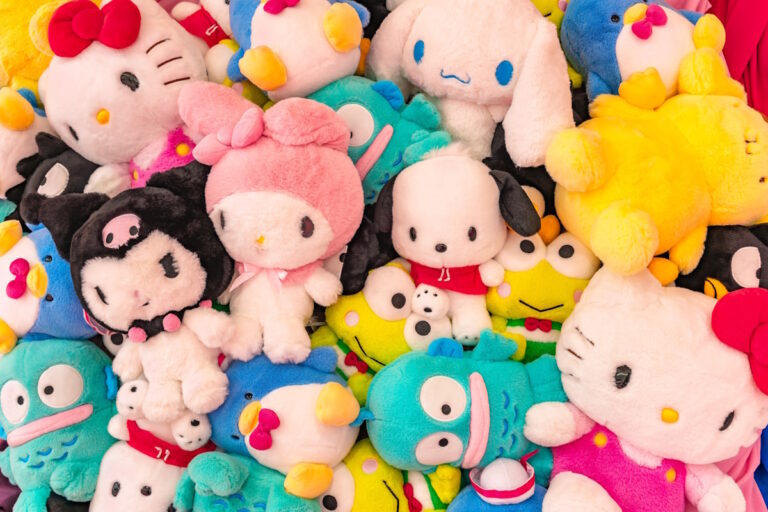
On April 16, 2026, Yahoo News Topics shared the results of a consumer survey on randomized merchandise (ランダムグッズ), a sales format where buyers cannot choose which character or design they receive. The survey found that 89.9% of respondents dislike the format, with 98.5% citing “not getting what I want” and 91.6% citing excessive costs as their primary frustrations.
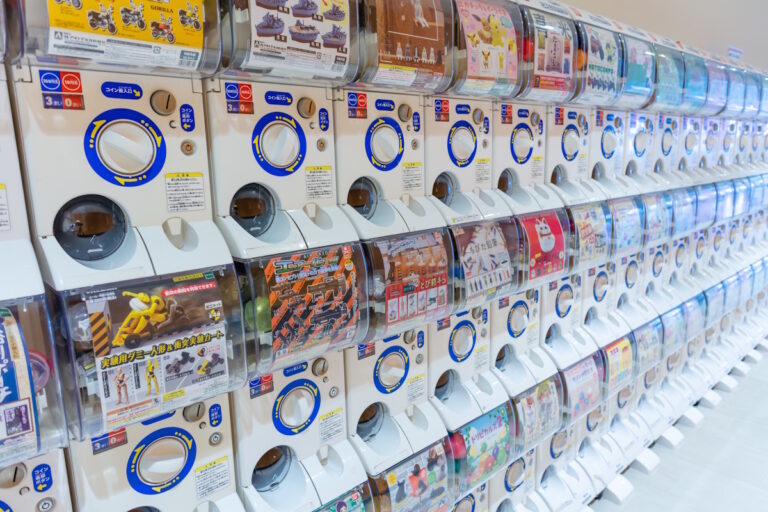
The topic struck a nerve in Japan’s massive “oshi-katsu” (fan activity) culture, where fans of anime, games, and idol groups spend heavily on character goods. Randomized merchandise, from gashapon capsule toys to blind-box acrylic stands costing over 1,000 yen each, has become a dominant sales format. The survey directly challenged an earlier Bandai-sponsored study that claimed consumers enjoyed the “excitement” of not knowing what they would get, a finding widely mocked in the replies.
Sentiment distribution (engagement-weighted)
hate it
not getting oshi
Highest-engagement comments
Activity timeline (JST, 2026-04-16)
Key themes in detail
💸 Price Outrage · 76.0% of engagement
The single most common complaint was the dramatic price escalation of randomized goods. Commenters nostalgically recalled when gashapon machines cost 20 to 100 yen per turn, making duplicates a minor annoyance rather than a financial blow. Today, with individual blind draws routinely costing 700 to 1,500 yen, and some reaching 2,500 yen, the math has become painful. “Random goods are only acceptable at 300 yen or less with 7 varieties max,” wrote one commenter (608 likes). Another demanded that random goods over 501 yen be “regulated by law” (477 likes).
The price issue compounds with the randomness problem: at 100 yen, a duplicate is a shrug. At 1,000 yen, it feels like theft. Multiple commenters pointed to the Ichiban Kuji lottery system, where a single draw costs 700 to 800 yen, as a particularly egregious example.
😭 Oshi Hostage · 10.7% of engagement
A visceral theme emerged around the feeling of being emotionally blackmailed by the randomized format. “They’re holding my oshi hostage and making me pay ransom,” wrote one commenter (90 likes), capturing a sentiment echoed dozens of times across the thread. Fans described a painful bind: their genuine love for a character means they cannot simply walk away, and companies exploit this emotional attachment by offering no alternative purchasing path.
The frustration intensifies in fandoms with large character rosters. A Hypnosis Mic fan noted that with 18 characters in the franchise, the odds of drawing your specific favorite from a 1,000-yen blind box are dismal. Others described the secondary social cost: in smaller fan communities, there are not enough people to trade unwanted duplicates with, while in larger ones, bulk buyers dominate the trading market.
🏢 Corporate Greed · 4.4% of engagement
Bandai bore the brunt of fan anger, thanks to a previous company-sponsored survey that claimed consumers enjoyed the “excitement” of randomized merchandise. Commenters treated this as Exhibit A of corporate tone-deafness. “Bandai: ‘Impossible! When WE surveyed them, they said they were excited and happy!'” wrote one user (57 likes) alongside a reaction image. Others pointed out the survey’s suspect methodology: “Bandai surveyed 1,032 people aged 18-59. Were they Bandai employees?”
Beyond Bandai, broader criticism targeted an industry that knowingly exploits fan loyalty. “Companies that think otaku will pay any amount are out of control,” wrote one commenter. Several noted that the randomized format actively creates a market for resellers, effectively making companies complicit in the scalping ecosystem they publicly condemn.
🛒 Practical Alternatives · 5.7% of engagement
Many commenters proposed or already practice alternatives to the gacha grind. The most popular suggestion was simple: let fans choose what they buy, even if it means a higher unit price. “Slightly more expensive but open selection is better,” wrote one commenter (91 likes). Others championed pre-order and made-to-order systems that would eliminate both randomness and scarcity.
A striking number of fans admitted to skipping official merchandise entirely and purchasing their desired items secondhand on Mercari. “I don’t buy random goods anymore. I just wait and buy my oshi on Mercari afterward. Sorry,” wrote one user (23 likes). This workaround, while practical, represents a direct revenue leak from official channels, a fact that some commenters argued should motivate companies to change their approach.
♻️ Waste Concerns · 1.8% of engagement
An environmentally conscious thread highlighted the material waste generated by randomized merchandise. Unwanted duplicates are often thrown away immediately, with some commenters reporting seeing discarded gashapon contents littering the floor near machines. “It’s literally mass-producing garbage,” wrote one user. “From an environmental perspective, it’s absolutely wrong. It’s the same as gambling.”
The waste problem extends beyond physical trash. Commenters described closets filling with unwanted character goods they cannot bring themselves to discard because they feature beloved franchises, creating a slow-growing hoard of items that bring neither joy nor utility.
🤷 Reluctant Acceptance · 1.4% of engagement
A small but honest minority acknowledged the business logic behind randomization. Without it, popular characters sell out instantly while unpopular ones rot on shelves, creating both inventory waste and a feeding frenzy for resellers. “I understand why they do it, even as I hate it,” wrote one commenter (192 likes). A handful of users even admitted to enjoying the thrill of the draw, particularly at lower price points.
Some fans of less popular characters quietly noted that randomized goods are sometimes the only format where their favorites get produced at all, since companies would never risk manufacturing open-sale goods for characters with uncertain demand.