


The Suica public transit card from Japan’s JR East isn’t just a transit card – it’s an oft-used cashless payment method as well. However, until now, the card’s utility has been hobbled by its low balance limit. That’s all about to change, as JR East aims to make Suica one of Japan’s premier methods for contactless payment.
To 20K yen…and beyond!

As I discussed in my rundown of cashless payment options in Japan, JR East’s Suica is accepted as a form of payment at over two million locations across Japan. However, you may find yourself limited by the low balance limit.
Traditionally, you can’t add more than 20,000 yen ($129) to a Suica card. That’s to prevent financial loss if you misplace your card or it’s stolen. Many physical Suica cards bear no registration information – which means, if you lose your card, you’ve lost whatever balance was on it.
Now, JR East has indicated they’ll loosen that restriction by fall 2026. Once the change takes effect, users will be able to add several hundred thousand yen (thousands of US dollars) using a new barcode scan feature in the Suica app. (The amount of money available as “electronic money” on the card will remain capped at 20,000 yen.) The change means Suica shoppers can make larger purchases at JR East train station department stores, such as Atre, where Suica is already accepted.
The company says it’s also looking into other ways to make mobile payments more convenient. This includes tying credit cards and bank accounts to Suica to enable instant mobile payment without a prepaid balance.
JR East fights off the rise of QR codes, credit card transactions
JR East is making the change to compete against PayPay, Japan’s most popular cashless payment option. PayPay has around 5x the usage of IC cards for payments, as it’s accepted at more stores due to its cheaper hardware requirements.
The move also comes as some transit companies move to cheaper payment methods that don’t rely on Near Field Communication (NFC) chips. For example, five companies in Kumamoto are abandoning the country’s national IC network after realizing it would be cheaper to implement QR code and credit card support in lieu of upgrading their terminals. Several transit companies around Japan are testing out credit card tap-to-pay as well.
But that’s not likely to happen in major cities like Tokyo anytime soon. As the Japan blog At a Distance notes, FeliCa – the IC chip that powers Suica cards – is one of the world’s fastest NFC cards. It has to be – JR has to move millions of people a day through busy stations such as Shinjuku and Shibuya. Given the limited space available in Tokyo, adding more gates isn’t an option.
Smaller transit markets and rail companies are moving to QR code and credit card support because they’re cheap to implement. However, they can’t come close to matching the efficiency of NFC cards. A digital NFC card on a phone can be swiped without unlocking the device – a clear advantage that QR codes lack.
For its part, JR East is experimenting with other ways to keep Suica alive and kicking in the digital age. It plans to introduce GPS technology by 2028, for example, to enable gateless travel. The company hopes this will further improve passenger throughput at busy stations.

Want more news and views from Japan? Donate $5/month ($60 one-time donation) to the Unseen Japan Journalism Fund to join Unseen Japan Insider. You'll get our Insider newsletter with more news and deep dives, a chance to get your burning Japan questions answered, and a voice in our future editorial direction.
Additionally, Suica has a competitive advantage over cashless payment methods like PayPay: tourism. While PayPay generally requires a local phone number, tourists can eaisly buy Suica cards or attach virtual Suicas to their iPhones,
That means Suica probably won’t disappear anytime soon. That’s good news for the card’s many fans, who would be sad to see this chapter of Japan’s transportation history come to a close.
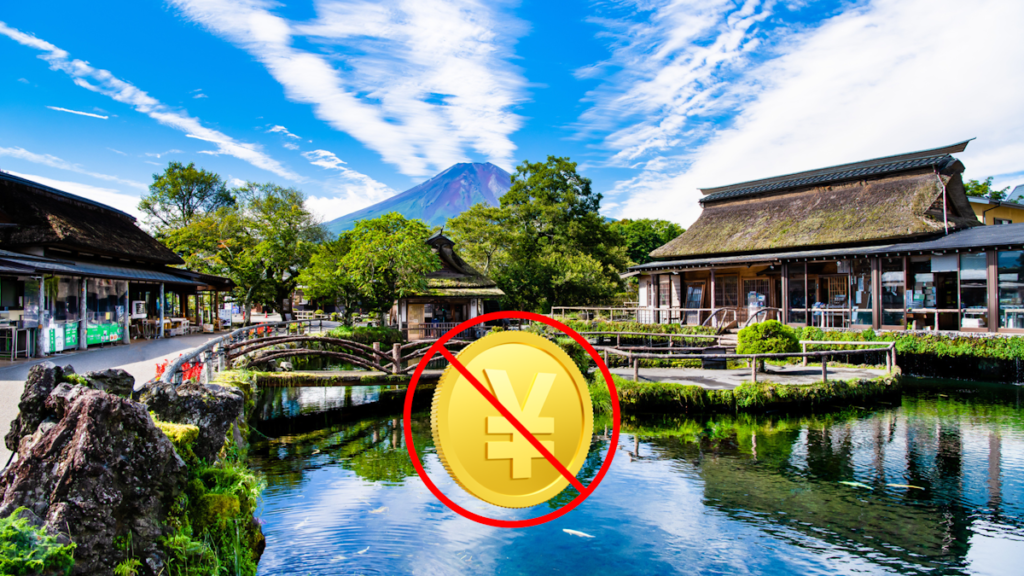
Tourists to Japan Are Tossing Coins into These Ponds. That’s a No-No
Officials are worried about the environmental impact after tourists dumped 18,000 coins into the ponds in 2025, despite clearly posted signs.
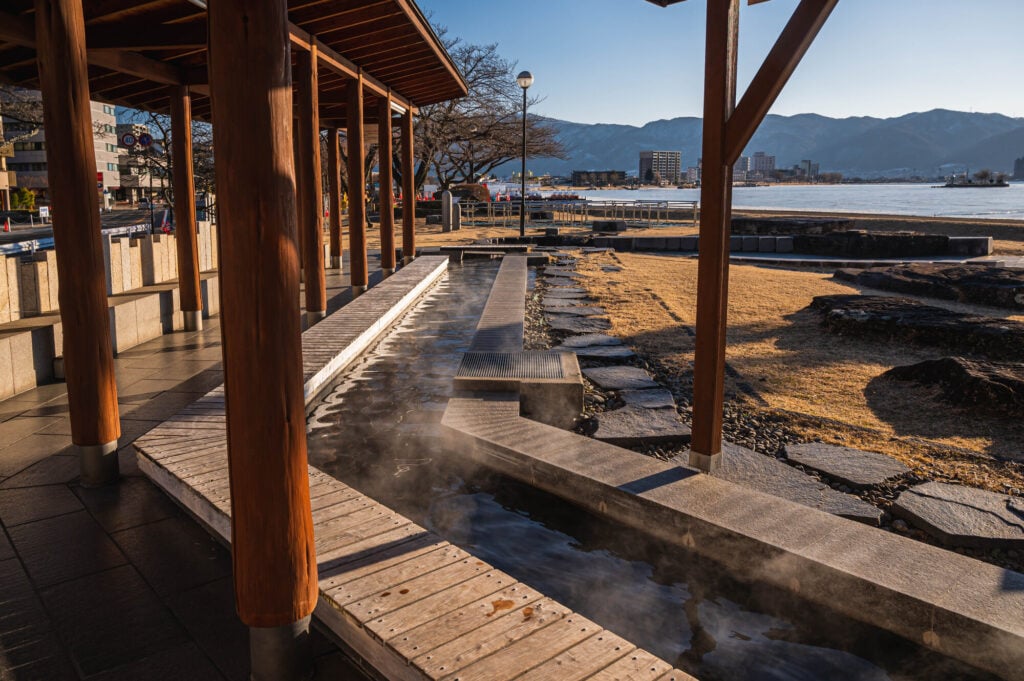
Suwa: One of Japan’s Best Onsen Towns You’ve Never Heard of
Japan is popular. Hot springs are super popular. But Suwa, an onsen town in Nagano Prefecture, remains a hidden gem.
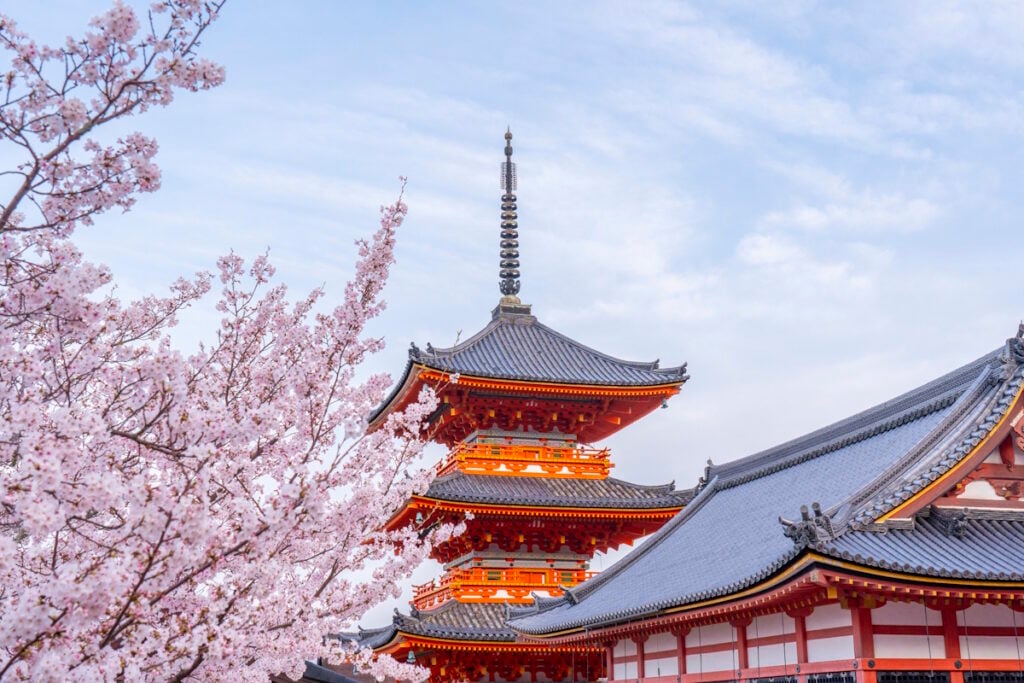
Kyoto City May Partially Ban Vacation Rentals to Give Residents Tourist Relief
The city’s mayor won’t rule out creating “zero-day vacation rental” zones in residential areas in response to chronic complaints.
Sources
JR東日本のモバイルスイカ、決済枠上限を2万円から「数十万円」規模へ. LiveDoor News
JR東日本、Suicaにバーコード決済 数十万円上限でPayPayに対抗. Nikkei
Transit Gate Evolution: Do QR Codes Really Suck for Transit? AtaDistance
