Solo Weddings: Why Japanese Women Are Saying “I Do” to…Themselves

Japan’s government has tried various tricks and incentives to convince Japanese people they should get hitched and have babies. It’s not working. Both marriage rates and births continue to decline year over year.

It’s not that women aren’t getting married in Japan, though. They are. The twist? They’re getting married to themselves. Here’s why “solo weddings” have taken off even as real marriages decline.

One bride, no groom
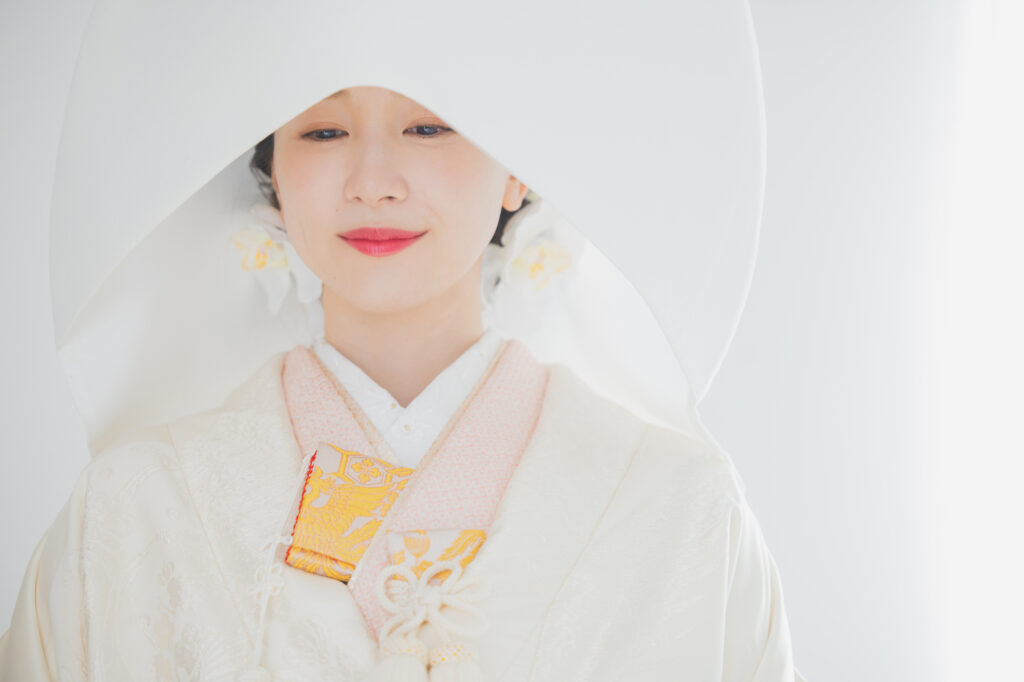
Japanese woman wearing a white shiromuku kimono and traditional wataboshi headdress
Picture: Ushico / PIXTA(ピクスタ)

A solo wedding (ソロウェディング; soro ueddingu) or self-wedding (セルフウェディング; serufu ueddingu) is essentially a wedding photo shoot experience. The “bride” dresses in a white Western wedding gown or a white kimono (shiromuku; 白無垢) and has her picture taken, either in a studio or on location. No guests, no vows, and no groom.

The experience is the brainchild of Kyoto travel agency Cerca Travel. It initially launched the idea in 2014 as a two-day photo shoot package. As originally launched, the package started at roughly $2,540 and included dress fitting, hair and makeup, a limousine, a night in a hotel, and a photo shoot in the gardens of the Shugakuin Kirara Sansō teahouse.

The event doesn’t have to be that pricey, though. Many other studios have now jumped into the game, offering photo shoots for as low as 39,000 yen ($249 USD) for a basic indoor session. Fancier outdoors sessions with multiple outfits and on-location shooting can run up to 300,000 yen ($1,920).

Who books these shoots? Half of all customers at Cerca Travel were already married – they simply wanted a do-over, or a photo shoot they never got the first time around. The rest, however, were single women looking for the pomp and joy of a wedding ceremony without the baggage of a spouse.

No idea how to meet marriage partners

Solo weddings are thriving at a time when real weddings are in decline.

We first reported on the decline in the marriage rate in 2020. Since then, the numbers have only gotten worse. The country reported fewer than 500,000 marriages in 2023. The Japan Research Institute projects a total of 485,000 marriages for 2025.

Low marriage rate also means a low birth rate. Japan now sees under 700,000 live births a year, bringing the number of children down to just 10.8% of the total population – the 45th consecutive year of decline.

It’s not that people don’t want to get married. A survey by the Japan Children & Families Agency finds that 63.8% of unmarried workers in their 20s want to tie the knot. However, 29.3% also said they don’t know where to go to meet anyone.

Other surveys also show that people are burning out on konkatsu (婚活, marriage-seeking). One such survey by Sanmarie found that 80% of people are “exhausted” by the hunt.

Marriage intent declines sharply as single people age. The Children and Families Agency found that the intent to marry among workers in their 30s dropped to 50.8%. In other words, if you can’t find a partner in your 20s or your 30s, the chances that you’ll remain single for the rest of your life skyrocket.

Being at peace with living alone
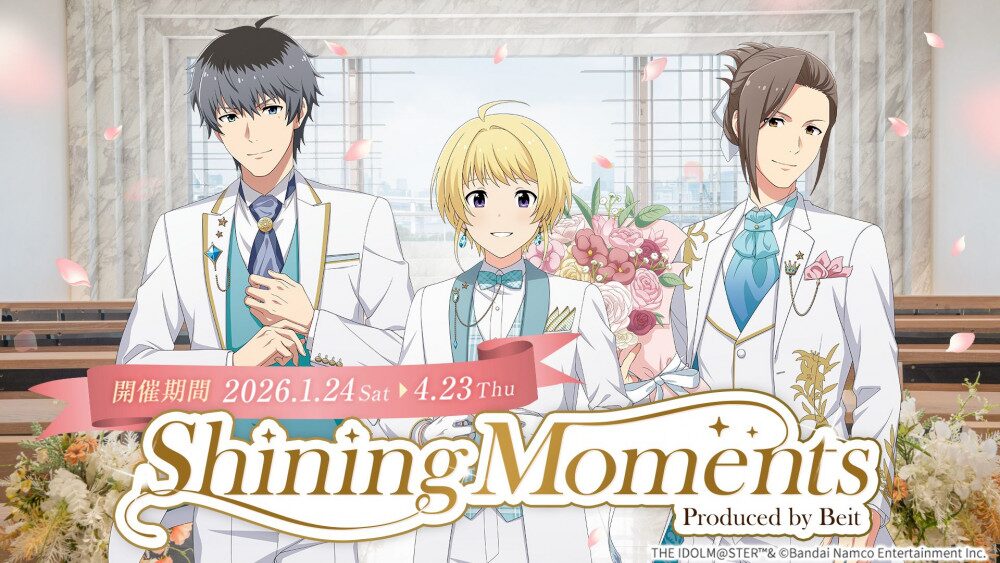
Promotional art for 'Shining Moments Produced by Beit' showing three male anime idols in white wedding suits

With these grim numbers, wedding companies have to do something to adjust. Thus the solo wedding experience was born. Recently, companies have found another way to capitalize on the growing trend: marriage ceremonies with fictional characters.

In 2026, the game iDOLM@STER teamed up with a wedding service in Tokyo to offer Shining Moments Produced by Beit. The collaboration, running through April at venues in Odaiba, Yokohama, Ōmiya, Nagoya, Osaka, and Fukuoka, gave women the chance to engage in a fictitious marriage with members of Beit, the male three-member idol unit from THE iDOLM@STER SideM series.

Such offerings leverage the growing popularity of oshikatsu, or spending money on one’s favorite entertainer, idol, or fictional character. Some studios have set up dedicated “2D wedding” shooting spaces with monitor displays of fictional grooms. Entry-level prices for these experiences start around 11,000 yen ($70).

Whether they’re marrying fictional grooms or just getting hitched by themselves, unmarried women who’ve done solo weddings say the experience has helped them come to terms with permanent singlehood. Y, a 20-something woman, wrote in a personal essay about how the experience brought her peace:

“Even if it turns out I live the rest of my life alone, I won’t have any regrets.”

Sources

話題の「ソロウェディング」、実際にどんなことができるの? 結婚スタイルマガジン (Niwaka)

「ソロウェディング」とは?実際にできることや楽しみ方をご紹介! ゼクシィ

「ソロウェディング」は推し活や女子会にもおすすめ!費用や流れ、人気スタジオも紹介 みんなのウェディングニュース

推しと結婚できる「ソロウェディング」って?お一人様でもドレスを楽しめる 女子SPA!

ソロ ウエディング(ひとりウェディング)~恋するドレス~ 株式会社チェルカトラベル

ソロウェディングで自分の結婚観が明確になった。これから一人で暮らしても、何も後悔することはない ランドリーボックス

Beitがブライダルイメージモデルに!「Shining Moments Produced by Beit」内覧会レポート。結婚式場で体験する“ソロウェディング” 4Gamer

2025年の出生数は66.5万人、婚姻数は48.5万組の見通し 日本総研

2025年、令和の結婚式のトレンドは【パーソナライズ婚】!「主役にならない“脱主役婚”」や「自由なドレスコード」、定番の演出を自分たちらしくアレンジする「ちょい足し演出」がキーワードに PR TIMES (株式会社トキハナ)

子ども、45年連続減で過去最少 前年から35万人減の1329万人 Asahi Shimbun

結婚に関する現状と課題について. Japan Children & Families Agency

令和6年度「若者のライフデザインや出会いに関する意識調査」Japan Children & Families Agency
80% of Japan’s Singles are Exhausted From Seeking Marriage, Survey Shows

A recent survey reveals that nearly 80% of Japanese singles seeking marriage experience marriage-hunting fatigue, highlighting the mental strain of dating in a society with high expectations and fast-paced matchmaking. Experts say repeated rejections, social pressures, and the demands of digital platforms are major contributors to the stress.

The survey, conducted among active marriage-seekers by Sanmarie, found that 37.7% of men and 47.8% of women reported extreme fatigue, while many others experienced moderate stress. “People often enter marriage-hunting with high hopes, but repeated disappointments can wear down motivation and confidence,” said Dr. Tanaka Yuki, a clinical psychologist in Tokyo.

Online dating: A double-edged sword

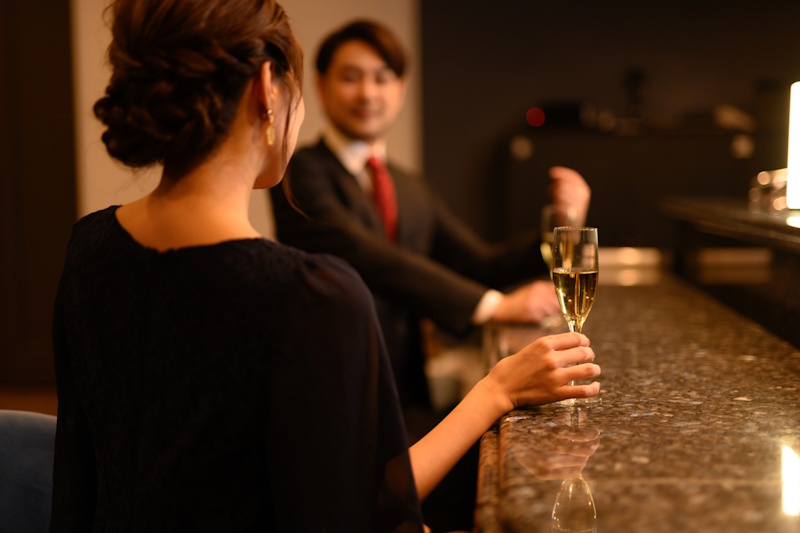
Woman holding a champagne glass and looking at man across the room in a bar
Picture: Graphs / PIXTA(ピクスタ)

Digital platforms now play a central role in Japanese matchmaking. Approximately 41–51% of respondents reported using online dating or marriage-focused apps. While these platforms increase opportunities to meet potential partners, they also amplify stress.

“Managing multiple profiles, sending messages, and constantly monitoring reactions creates a kind of emotional treadmill,” explained Dr. Tanaka. “For many, it’s not just the search itself but the way technology structures the search that contributes to fatigue.”

Men and women experience these pressures differently. Men often report discouragement after repeated rejections, while women face both rejection and societal expectations. The survey indicated that 44% of women feel stressed by parental pressure to marry, and 36% cited concerns about their biological clock as contributing factors.

“I meet dozens of men through apps and events, but it feels like a conveyor belt,” said 32-year-old office worker Sato Keiko from Tokyo. “Sometimes, it’s exhausting to keep pretending everything is fine when inside, I just feel drained.”

Pressures differ by gender

The survey highlighted stark gender differences in how fatigue manifests. Men often struggle with self-esteem after unsuccessful matches. “If I go to an event and nobody is interested, I start questioning my own worth,” admitted a 30-year-old engineer in Osaka.

Women, by contrast, frequently experience external pressure from family and society. Many feel compelled to adhere to expectations around age and social status.

“Even when I enjoy my single life, there’s this constant sense of needing to settle down,” said 28-year-old teacher Nakamura Yuri. “It’s not just about finding someone, it’s about fulfilling everyone else’s idea of what I should be doing.”

Experts note that these gendered pressures contribute not only to stress but also to a sense of isolation. “Marriage-hunting fatigue is more than just being tired,” said Dr. Tanaka. “It includes emotional exhaustion, discouragement, and sometimes social withdrawal.”

Economic factors further complicate the search for a partner. Many women surveyed expressed a preference for partners with an annual income of ¥4.9 million ($32,700) or higher. Men, conversely, reported anxiety if their earnings fell below societal expectations for marriage eligibility.

These financial considerations are especially significant for older singles, divorced individuals, and single parents, who face both societal judgment and practical challenges in balancing career, family, and dating. “Money is always a part of the conversation,” said Dr. Kondo Hiroshi, a sociologist specializing in family studies. “It’s not just about finances; it reflects deeper concerns about stability, security, and social perception.”

Coping strategies: How singles manage fatigue

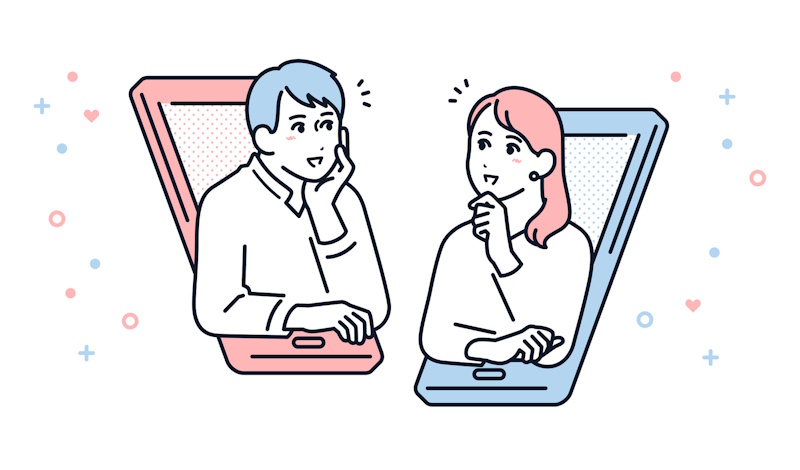
Illustration of a man and a woman framed by smartphones looking at each other
Picture: わかし / PIXTA(ピクスタ)

Despite the challenges, singles are developing strategies to manage fatigue. Experts recommend combining physical self-care with mental and emotional strategies. Exercise, hobbies, and structured routines can reduce stress, while social support from friends, mentors, or professional counselors helps maintain perspective.

“I take breaks from apps and events,” said Sato. “Even a few weeks off can make a big difference. It helps me approach dating with a clearer mind and less pressure.”

Dr. Tanaka adds that discussing fatigue openly is critical. “Sharing experiences reduces the sense of isolation and validates people’s feelings,” she said. “It allows them to stay engaged in the search without letting stress take over.”

The prevalence of marriage-hunting fatigue raises broader social questions. Japan has long struggled with declining birth rates and changing family structures. Fatigue and disillusionment in the marriage market may contribute to delayed marriages, increased singlehood, and lower fertility rates.

“Marriage-hunting fatigue is a symptom of a larger cultural challenge,” said Dr. Kondo. “Society needs to reconsider the pressures it places on individuals, and how expectations around age, income, and gender roles intersect with the emotional realities of dating.”

The survey also suggested that singles who adopt realistic expectations and prioritize quality over quantity in matchmaking report lower levels of stress. Those who view marriage as one part of life rather than a race to meet societal benchmarks tend to cope more effectively.

Decline in marriages in Japan

Japan has experienced a long-term decline in marriages. From the late 1970s to around 2000, the number of marriages remained relatively stable at roughly 700,000 per year. However, this number has steadily decreased since then, falling below 500,000 in 2023.

The COVID-19 pandemic accelerated this trend, with marriage rates dropping significantly after 2020. Even after the pandemic, the numbers have not returned to pre-pandemic trends.

While the proportion of people with no intention of ever marrying remains in the 10% range for both men and women, the desire to marry is declining, and the interval from meeting a partner to marriage is lengthening. “Shotgun marriages” are becoming less common, and younger generations are increasingly separating marriage from childbirth, showing a more cautious approach to both.

Changes in the workplace and social environment also contribute to fewer marriages. Many young women prioritize career development, reducing opportunities to meet partners at work. As a result, online spaces, such as social media and dating apps, have become increasingly important for those seriously seeking marriage. Couples who meet online tend to marry faster, highlighting the role of digital platforms in facilitating serious relationships.

Additionally, the age gap between spouses is narrowing, and the traditional model of a husband financially supporting a wife is being replaced by a dual-income, egalitarian model. Economic independence and cautious decision-making about marriage are becoming common among young adults. Structural factors, such as spousal tax deductions and pension systems designed for traditional marriages, may need revision to reflect these societal changes.

This declining trend in marriage, coupled with rising caution and high expectations for partners, contributes to dating fatigue among Japanese singles. Many report difficulties finding compatible partners, balancing career ambitions with relationship goals, and facing societal pressures and financial constraints, all of which can discourage sustained dating efforts.

Sources

婚活中の約8割の男女が「婚活疲れ」を感じていることが判明!「疲れた」と感じる瞬間は「期待した出会いが進展しなかったとき」や「メッセージのやり取り」が上位に PR TIMES

婚姻数の減少と結婚に関する意識の変化ー結婚に対する慎重さの高まり、増加しつつある同類婚ー 日本総研

男女共同参画白書第2節ー結婚と家族を取り巻く状況 男女共同参画局