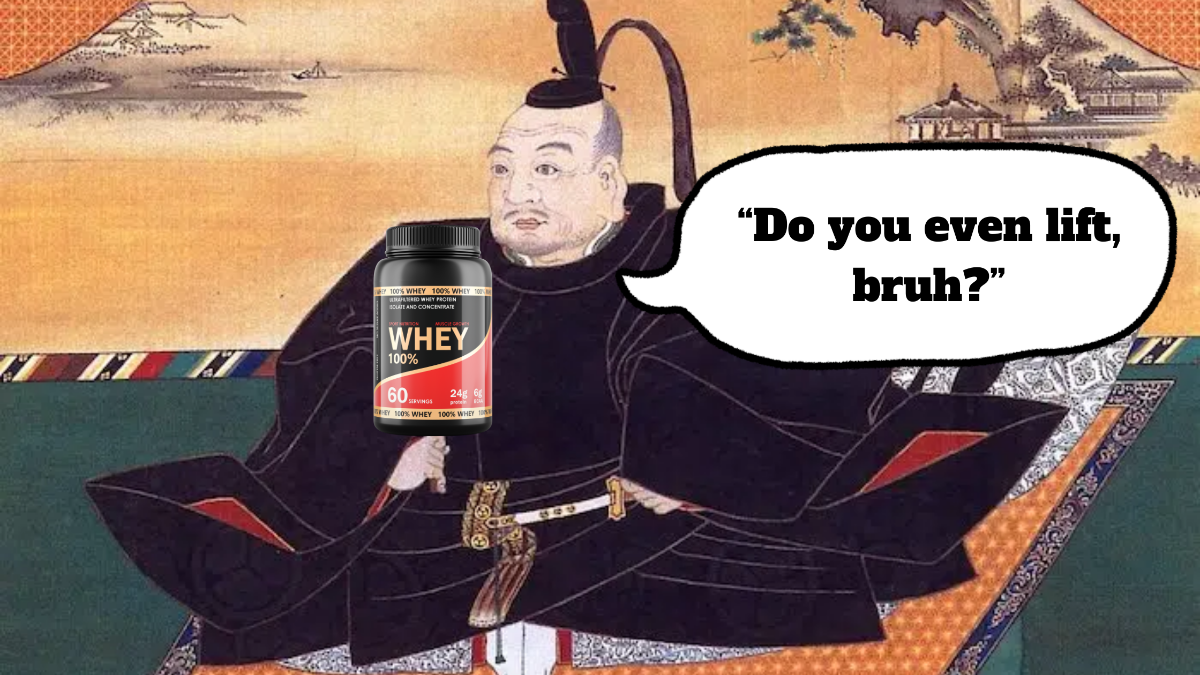


Tokugawa Ieyasu looms large over Japanese history. Conqueror. Uniter. Warrior. And – yes – noted health food enthusiast.
Despite living through one of Japan’s most deadly periods, he survived to the ripe old age of 73 with a unique take on balancing a healthy diet. Turns out the shogun was ahead of the game on the battlefield and on balancing macros.
The Shogun’s Shogun
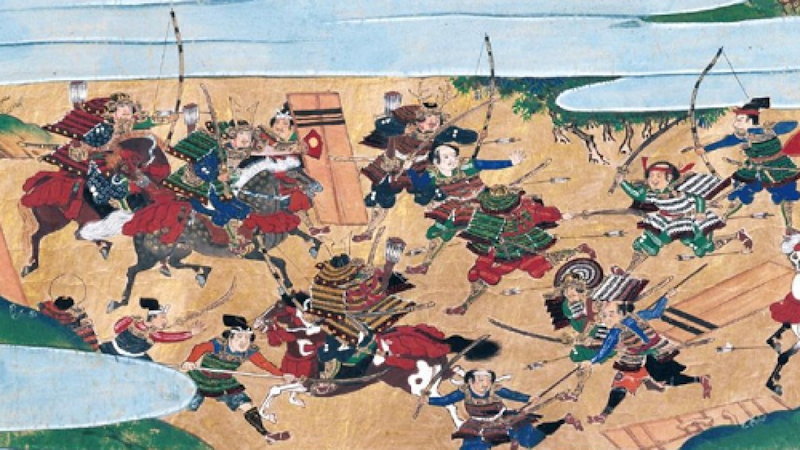
In case you forgot, Tokugawa Ieyasu was the man who united Japan during the Warring States period. He lived from 1543 to 1616, a long life by the standards of the day.
The government he founded oversaw a nearly 300-year period of peace, building the society that is at the heart of modern Japan. The Edo era he ushered in is the source of much of the culture that the world today recognizes as uniquely Japanese.
In spite of this, he’s not a particularly well-loved figure. His path to the shogunate was filled with shifting loyalties and betrayals. He stands alongside popular historical figures like Oda Nobunaga and Hideyoshi Toyotomi, but Ieyasu’s story of savvy realpolitik is hardly as romantic as his contemporaries.
Although we can’t know for sure, records suggest he had quite a dry personality as well. He spoke often of efficiency and thriftiness and rarely indulged in luxuries. Undoubtedly, this obsession with conserving resources served him well in his career as a general, but makes him sound like kind of a nerd in other contexts.
In fact, you can see this dogged optimization, humility, and nerdiness in his attitude about his diet.
Tokugawa Ieyasu’s health obsession
Health food is a familiar phenomenon for modern consumers, but Tokugawa’s take on the subject looks quite different from what you would find today. Having lived through horrific circumstances and commanded entire armies, Tokugawa was primarily focused on justice and survival, rather than the modern consumerist focus on metrics and products.
Planning a trip to Japan? Get an authentic, interpreted experience from Unseen Japan Tours and see a side of the country others miss!

Broadly speaking, Tokugawa Ieyasu’s philosophy around food was practical. Food was a tool for survival, and therefore, it was a key component of military strategy. Simple, nutritious meals that could sustain an army were the template. Tokugawa kept this humble diet even after he became the ruler of the entire country.
Nowadays, we would recognize his diet as health food – complex grains balanced with vegetables and minimal seasoning. But for him, it was a mark of his station as a soldier.
In one record, Tokugawa remarked that he kept his meals simple because that’s what his soldiers were eating out on the battlefield. Why should he be the only one eating well while the men he commanded were suffering and often starving? More so than the health benefits, he was focused on efficiency and fairness, keeping his mind on military conquest even when deciding what to eat.
Tokugawa’s health tips

Philosophy aside, what exactly was Ieyasu’s diet that let him live so long? Sadly, we don’t have a full menu of his daily meals, but records recount a few notable dishes:
- Brown rice and barley: A footsoldier staple, this blend of steamed grains is bland but filling. Brown rice and unprocessed barley are packed with nutrients to make up for their lackluster flavors. Ieyasu recommended eating this basically every day, regardless of the season or occasion.
- Vegetarian stewed udon with ginger: A classic temple dish; stewed vegetables provide a humble base for the udon noodles. Ginger heightens the subtle flavors while offering a myriad of health benefits.
As we can see, Ieyasu follows some time-tested health principles: lots of whole grains and vegetables, and not much else. Some other key principles that may or may not be as robust:
- Eat warm foods: maintaining body temperature through food was a belief of medieval Chinese medicine that Ieyasu apparently subscribed to. While temperature may not have as much impact as believed back then, warm food tastes better, which is great when you are eating for health rather than flavor.
- Eat with humility: think of the broader social context of your meals. Don’t go eating fancy stuff just because. Grains and vegetables are the most efficient sources of nutrients humans have access to. Focusing your diet on them saves you money and contributes to the efficiency of society writ large.
At the end of the day, health varies from person to person, and Ieyasu’s diet is frankly bleak, but it is at least interesting to hear a health-food philosophy rooted in the values of a different age, even as the core idea – grains and vegetables – remains the same.
Health leads to victory
One key insight from Tokugawa Ieyasu’s life is that health matters. Tokugawa’s path to the pinnacle of society led him past the bodies of many of his enemies, peers, and friends. The most crucial thing he did on this path was survive. And that includes surviving well into old age.
Ieyasu’s predecessor as shogun, Toyotomi Hideyoshi, only lived to age 62. His untimely demise set in motion the chain of political dealings that Ieyasu implemented to consolidate power around his house in the vacuum.
See a side of Tokyo that other tourists can't. Book a tour with Unseen Japan Tours - we'll tailor your trip to your interests and guide you through experiences usually closed off to non-Japanese speakers.

If Hideyoshi had been as healthy as Ieyasu, he would have lived another 11 years, enough time for his successor to come of age and naturally lead a transition of power. It would have been much more difficult for the Tokugawa clan to seize power in this scenario.
Likewise, if Ieyasu had died earlier, the Tokugawa forces would have come under the command of his eldest son, who was not regarded as a particularly competent general. Without Ieyasu’s tactical prowess and efficient strategy, it’s hard to imagine the Tokugawa clan would have fared well. It could have even been wiped out, and who knows how long the Warring States period would have continued.
All that is to say, every year matters, every day matters, so living a healthy life and eating right is key to success, even when you command an entire nation. Even if you don’t follow his menu, let the wisdom of Tokugawa Ieyasu motivate you to keep eating right.
Before Mario, Nintendo sold hanafuda cards to the yakuza. Read the 400-year forbidden history of the flower cards that tricked the Shogun.

How Kabukicho, Japan’s biggest red light district, arose from the ashes of post-war Japan.
The world’s largest nightlife district, Shinjuku is nearly synonymous with Tokyo itself – yet wasn’t even part of old Tokyo. Where do Shinjuku’s origins lay?
Sources
だから天下を取って75歳まで長生きできた…「健康オタク」徳川家康がうどんに入れた”スーパーで買える食材. President Online
徳川家康は「日本人に嫌われる性格」の典型だ. Tokyo Keizai
徳川家康. Wikipedia
