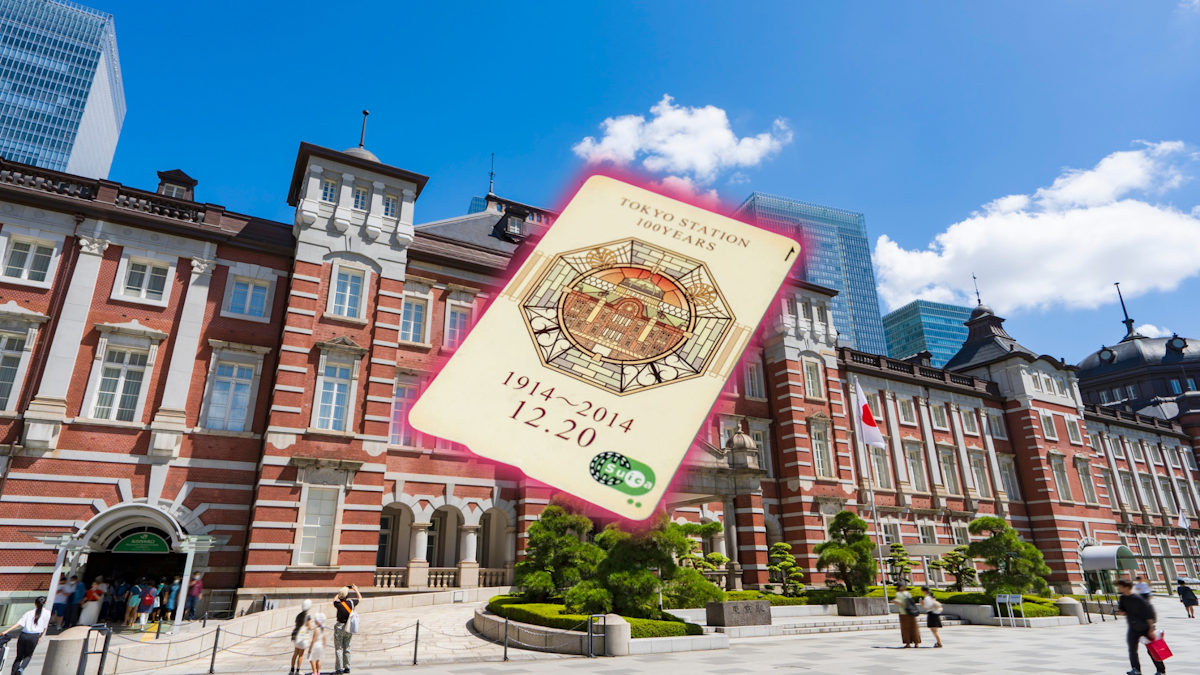


If you’ve ever ridden the Tokyo railways, you’re likely familiar with Suica cards. Frequent riders probably have one in their wallet or card case right now. As a convenience item, most of these cards are used every day. This keeps them active in the system, so they never get close to running afoul of JR’s obscure, 10-year idle IC card policy.
But at the end of this month, over 2 million special, commemorative Suica cards are set to lapse this deadline all at the same time, not just making them unusable, but requiring owners to turn them back in to reclaim the balance.
Collectors beware
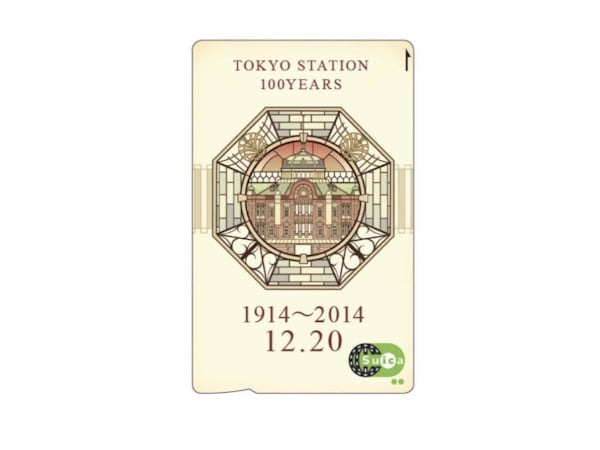
It all started 12 years ago in 2014, when JR issued their special “Tokyo Station 100th anniversary” Suica cards. The plan was to issue them as a limited-edition run of 15,000 units. However, the cards’ historic significance and stylish design made them such a hit that JR lifted the sales cap. Ultimately, the company issued over four million cards.
These cards, sold as a collector’s item, have been just that: people have placed them aside as decorations, memories, or little investments to flip at a later date. Normal collector behavior for a commemorative product.
One thing about collectors is that they care about condition. Keeping your special Suica in mint condition means not carrying it around and using it.
So it is that the majority of these anniversary cards have been idle. Approximately two and a half million were unused at the beginning of May 2026.
The situation is all well and good except for one small problem: all these cards expire on May 31st.
JR’s “10-year rule” and how to avoid it
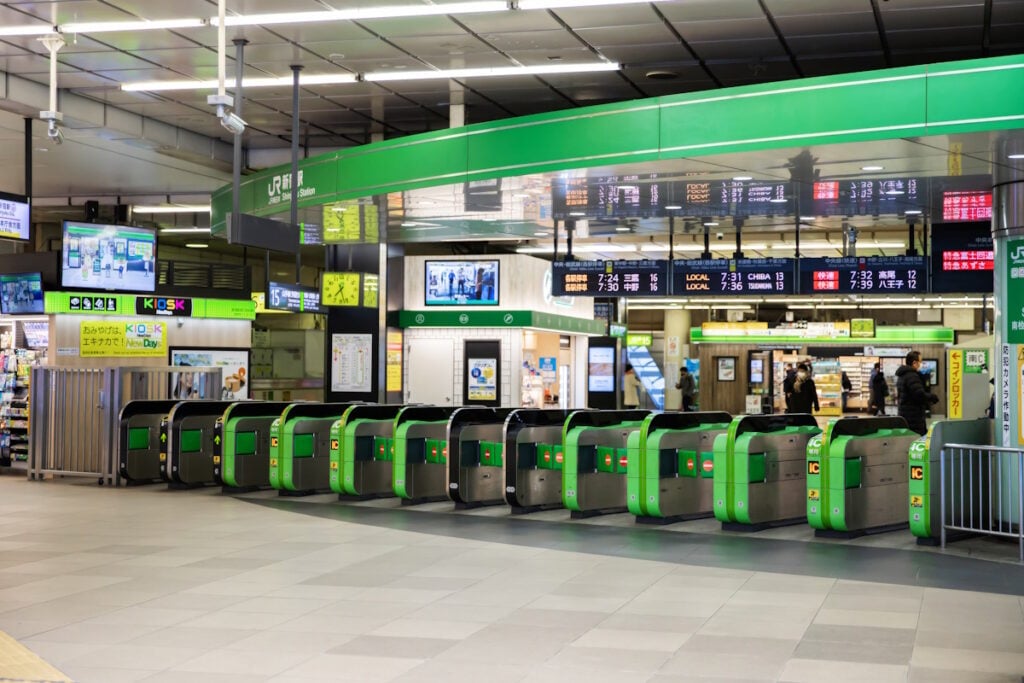
If it were simply a matter of reactivating your old card or just having it become non-functional, there wouldn’t be much of an issue. Collectors would just take their cards to a station at their leisure, if they liked, have it reactivated, and move on with their lives.
However, JR policy doesn’t just lock expired cards; it marks them for recall. If you want to reclaim the 500 yen deposit and any existing balance on the card, you can’t simply reactivate it. You need to turn the physical card in. At that point, JR will either transfer the balance to a new card or give you the money back directly, depending on your preference.
This is JR’s “10-year rule” for IC cards. On its face, it’s a sensible policy meant to curb digital waste and prevent over-consumption of chips and plastic. It seems especially prudent in the wake of the almost two-year Suica shutdown that happened in 2023. The only problem is JR’s enforcement of the protocol in this exceptional circumstance, putting potentially millions of consumers in a double bind for completely reasonable behavior.
See a side of Tokyo that other tourists can't. Book a tour with Unseen Japan Tours - we'll tailor your trip to your interests and guide you through experiences usually closed off to non-Japanese speakers.

However, if you happen to have one of these commemorative cards, you aren’t out of luck. Using the card for a train ride or any other sort of purchase – even a drink at a vending machine – will flag the card as active. That’ll extend the validity period for another ten years.
So as long as you are aware of the deadline, it’s easy to keep your card valid for the foreseeable future. And even if you miss the deadline, JR will refund any funds on the card. In total, an estimated 30 billion yen ($188M) is slated for refund.
The downside, of course, is that you then lose your collector’s item.
Card chaos
For the many cardholders who forget about this deadline, or never hear of it in the first place, their card will become non-functional. If they do attempt to use it, they risk losing the card itself.
With more than two million of these cards set to expire, the next few weeks will likely see a huge resurgence of these commemorative cards as people scramble to keep them valid. In theory, this is no big issue, as Japan’s infrastructure already handles millions of Suica transactions every day.
However, users have run into trouble in practice.
One reporter took his two commemorative Suica cards to a convenience store as per JR’s advice. When he went to check out, the register threw an error. The only way to unlock his card was to take it to the Suica center in a JR train station. If these errors are a common issue, stations could be flooded with unlock requests.
The recall policy makes sense, especially in this day of chip shortages fueled by AI growth. Recovering a card means JR East can reuse the chip. But that policy hasn’t been tested before by such a potentially large-scale deactivation of a treasured keepsake.
Whatever the reason, if you or someone you know is sitting on one of these cards and it carries a balance, make sure they use it before the end of the month. After that, the card becomes just another piece of plastic – and retrieving your unspent balance will mean losing this precious collector’s item.
"Noah [at Unseen Japan] put together an itinerary that didn’t lock us in and we could travel at our own pace. In Tokyo, he guided us personally on a walking tour. Overall, he made our Japan trip an experience not to forget." - Kate and Simon S., Australia


The Eepiest Nation: Why Japan’s Sleep Problem May Soon Get Worse
Japan gets less sleep than any other nation. But the country’s workaholic Prime Minister doesn’t seem to care.

Setsubun: Japan’s Demon-Expelling Festival for Kids of All Ages
Demons out, luck in! How the festival of Setsubun evolved into a tradition enjoyed by kids across Japan every year.

Rural Men in Japan Are Quitting Their Jobs to Be With Their Partners
It’s traditionally been expected that women in Japan will sacrifice their careers for their husbands. That might be changing.
Sources
東京駅100周年記念Suica」未利用なら3月末で失効で〈30億円が消滅の危機〉…JR東日本が明かす回避策 Livedoor News
もうすぐ「交通系ICでは乗れません」…地方のバス・鉄道に「離脱」の動き 賛否両論と「次のシステム」Tokyo Shimbun
東京駅記念Suica「失効」に注意 期限は26年3月 使えば延長. Asahi Shimbun
