

The city of Osaka has a vacation rental problem, and the city’s latest investigation suggests it’s much bigger than it looks. An inspection of more than 3,000 specially licensed rental properties found that nearly half violated laws or failed to meet city guidelines. Another 865 appeared to have licenses but no actual business operating behind them.
The findings are the first results from Osaka’s effort to bring its increasingly unpopular vacation rental industry under control. Residents consistently complained about noise, garbage, and unresponsive property owners. However, despite the long list of violations the city found, it has yet to issue a single formal penalty.
Special-zone private lodging in Japan: how it works
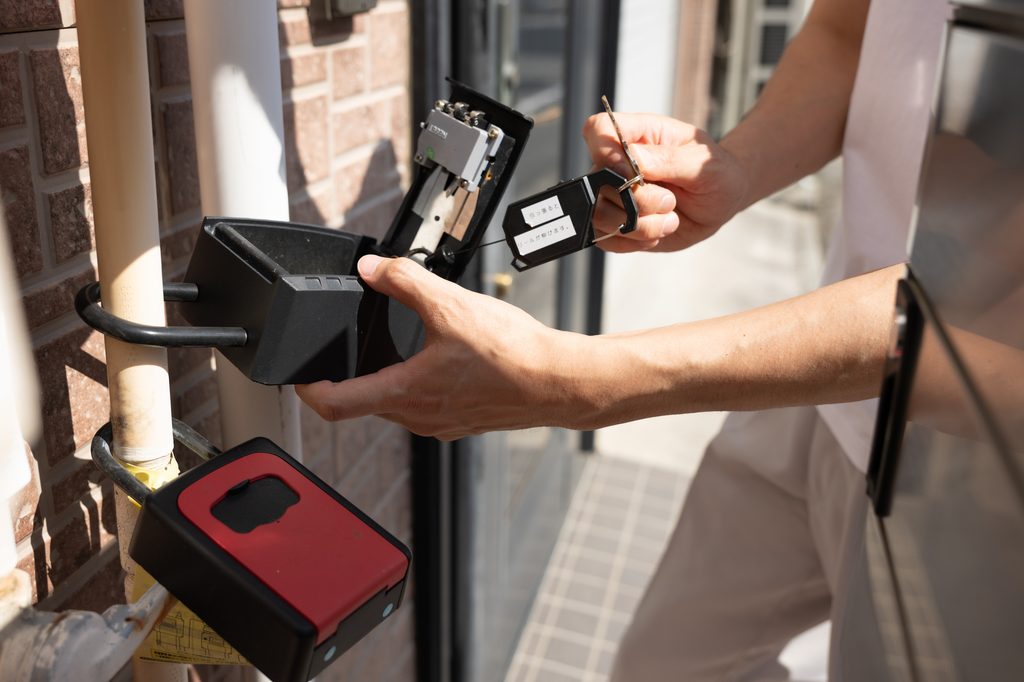
Japan has several types of vacation rental licenses, but Osaka has become particularly known for tokku minpaku (特区民泊), or special-zone private lodging.
These rentals operate under the National Strategic Special Zones Act, which allows participating municipalities to relax certain regulations to encourage tourism and international visitors. Osaka accounts for more than 90% of all tokku minpaku properties in Japan.
Unlike ordinary minpaku, which operate under the 2018 Private Lodging Business Act and are limited to 180 days of business annually, special-zone rentals have no annual operating-day limit. They do, however, require a minimum stay. In Osaka, guests must book at least two consecutive nights. Accepting a one-night reservation violates the Hotel Business Act.
That distinction helps explain why operators came to favor the special-zone system. In a 2025 survey, about half of Osaka’s licensed properties said they couldn’t switch to ordinary minpaku because they operated more than 180 days a year.
Osaka stopped accepting new special-zone applications on May 29, 2026. However, the number of licensed properties continued growing afterward, reaching more than 10,000 by the end of July. This wasn’t necessarily a loophole: applications submitted before the deadline could still receive approval afterward.
Nearly half of inspected rentals had problems
The city’s Nuisance Minpaku Eradication Team (迷惑民泊根絶チーム) inspected 3,157 properties between April and September. Of those, 1,441 (46%) were cited for violating laws or failing to follow municipal guidelines.
To clarify, that doesn’t mean 46% of all Osaka vacation rentals break the rules, only the ones the team inspected. Most of the 3,157 (2,258) were flagged in advance because they ignored the city’s 2025 survey or gave answers suggesting they broke the law or its guidelines; 57% of those were cited. The other 899 were ordinary rentals in the Chūō, Naniwa and Nishinari wards, where 16% were cited.
Among the problems inspectors uncovered, incomplete guest records and identity checks were particularly common. Operators must verify guest identities and maintain registers with relevant information. For stays of seven nights or longer, operators must perform additional identity checks and document them.
Other problems included missing guest addresses or contact information and incomplete house guides.
Most visitors to Japan are unaware of the backlash lately against Airbnb-style rentals here. We cover this and other topics you should know before traveling in our five-day Japan trip planning guide. Check it out to learn more about where to stay, how to get around, and even what to pack before you leave.
Ignoring municipal guidelines or not even in operation
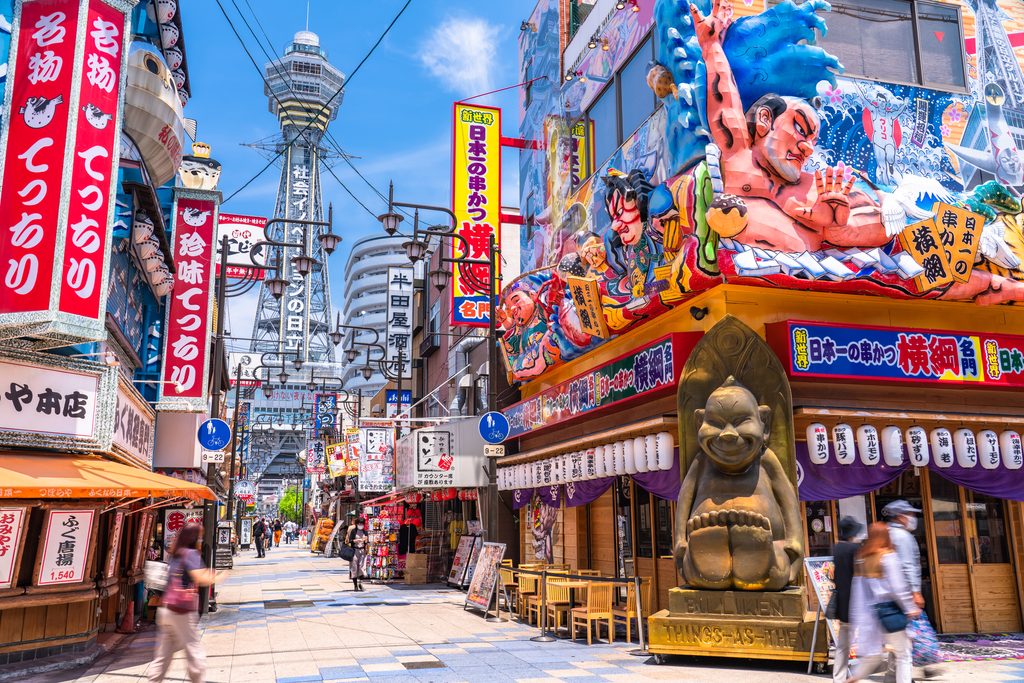
Some 23% of the reported violations involved municipal guidelines, particularly requirements introduced or revised in March 2026. These include explaining house rules to guests in person and displaying those rules outside the property.
One seemingly simple requirement proved especially important: displaying a sign at the entrance with a working telephone number for complaints.
Eight percent of violations involved missing signs or telephone numbers that didn’t connect. The city considers this particularly important because residents need a reliable way to contact operators when problems arise. (Just one more reason to consider a hotel or ryokan instead.)
Interestingly, Osaka’s 2025 survey found that 98.8% of responding operators claimed to have posted complaint-contact signs. But inspectors found that having a sign and having a sign with numbers that work are two different things.
Another major discovery was that 865 properties, or 27% of the total inspected, weren’t even operating. In some cases, the operating company no longer existed. The city told operators it could reach to file closure notices, and closed the listings itself where the company had dissolved. By the end of September, 460 had been closed.
The investigation also uncovered cases where the person who originally applied for a license wasn’t the one actually running the rental. According to the city, some of these replacement operators knew far less about proper regulations than they should have.
No formal penalties so far
Despite the findings, Osaka has issued guidance rather than penalties. It sent written instructions to 16 properties, 10 of which hadn’t properly responded to neighborhood complaints. Others had structural problems, such as drainage issues, or had failed to brief neighbors before receiving certification.
Thirteen operators subsequently reported making improvements, while two voluntarily shut down. However, no properties had reached the stage of receiving formal administrative penalties.
This is because the city has a set enforcement process. Officials can’t go from zero to 100; they start with verbal guidance, then written instructions, then a formal written explanation from the operator, and only after that an administrative penalty. This contrasts sharply with Kyoto, which has been considering partially banning vacation rentals altogether.
However, Osaka has tightened requirements for new accommodation businesses operating under ordinary hotel licenses. An ordinance effective October 30 requires certain new lodgings in residential buildings to have reinforced concrete construction and on-site staff while guests are staying. That doesn’t affect any existing special-zone rentals.
The investigation isn’t over

Osaka still has 1,730 properties left to inspect, with the investigation scheduled to continue through March 31, 2027. A final report is expected around April.
Even then, the inspection program will cover fewer than half of the city’s approximately 10,000 special-zone rentals. Officials say they intend to investigate additional properties afterward.
The city’s first report certainly gives residents plenty of reason to question how effectively the system has been monitored. But the real test will be what happens next.
Keep reading




Sources
報道発表資料 「令和8年度特区民泊施設監視指導計画」に基づく監視指導結果(中間報告 令和8年9月末時点)について 大阪市
「令和8年度特区民泊施設監視指導計画」に基づく監視指導結果(中間報告 令和8年9月末時点) 大阪市
特区民泊1441施設が法令などに違反 調査対象の半数近く、大阪市 朝日新聞
大阪市が調査の特区民泊7割指導 周辺住民とのトラブル問題 新潟日報(共同通信)
立ち入り調査した「特区民泊」の半分近くが法令など守らず 3割近くに営業実態なし 大阪市の「迷惑民泊根絶チーム」中間報告 Yahoo!ニュース/MBSニュース
令和8年度大阪市国家戦略特別区域外国人滞在施設経営事業認定施設監視指導計画 大阪市
特区民泊施設に対する営業実態調査結果 大阪市
報道発表資料 大阪市国家戦略特別区域外国人滞在施設経営事業にかかる区域計画の変更認定について 大阪市
特区民泊の最低宿泊日数について 大阪市
大阪市の民泊、木造・鉄骨アパートで原則禁止 騒音対策で旅館業制限 日本経済新聞
苦情増加、民泊に独自規制 大阪市、騒音対策で条例案 熊本日日新聞(共同通信)
旅館業 大阪市