
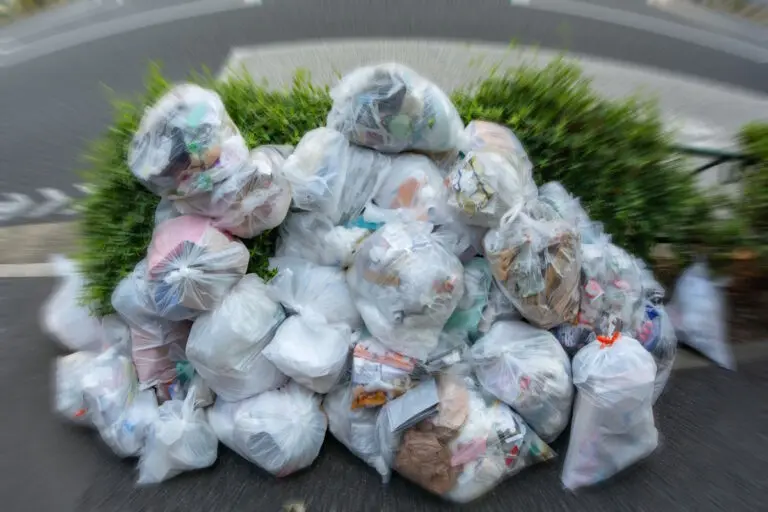
In a bid to reduce waste, the Tokyo Metropolitan Government has begun considering a major shift in how household waste is handled in the capital. The plan is drawing fire from residents who accuse the metropolis of wasting tax revenue on frivolous projects designed to boost tourism.
The proposed plan
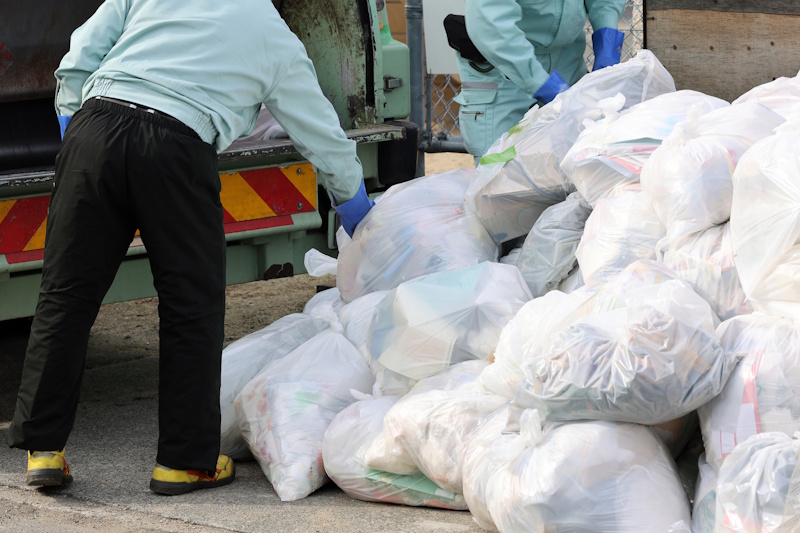
In October, the metropolis released an interim report outlining the future direction of its resource circulation and waste management policies. The plan covers the five-year period from fiscal 2026 through 2030, while also presenting a longer-term vision extending to 2035 and 2050. Within this framework, the metropolis introduced a “strong waste reduction scenario” that includes the possible adoption of paid household garbage collection in the 23 wards.
Rather than mandating immediate change, the metropolitan government is urging wards to begin discussions on introducing fees that would encourage residents and businesses to reduce waste. Officials argue that pricing mechanisms can prompt behavioral change, particularly in areas where garbage collection remains free. They point to municipalities that already charge for household waste and have achieved measurable reductions in garbage output. In contrast, many wards in central Tokyo have yet to adopt similar measures, leaving significant room for improvement.
Tokyo Metropolis officials emphasized that the proposal does not aim to generate revenue. Instead, it frames paid collection as a necessary step toward sustainability. Officials describe the policy as a response to structural constraints rather than a political choice. By placing the issue within a long-term planning framework, Tokyo has set the stage for a debate that extends beyond short-term convenience and into questions of environmental responsibility.
Landfill limits and the push for reduction
Behind the proposal lies a pressing physical limitation. Tokyo depends on a small number of final disposal sites, and only one major landfill remains.
The New Sea Surface Landfill in Tokyo Bay has already begun accepting waste, and officials estimate it will reach capacity within 50 to 60 years. Because the metropolis has no available land for new disposal sites, once that landfill fills, alternatives will be extremely limited.
This reality has sharpened the metropolis’s focus on waste reduction. Projections show that, without policy changes, Tokyo’s general waste output could reach about 4.17 million tons in 2030 and remain at similar levels in 2035. Such volumes would steadily consume remaining landfill space. Officials warn that delaying action now will only accelerate future disposal crises.
Introducing paid garbage collection changes those projections significantly. If fees are adopted, waste output could fall to around 3.68 million tons in 2030 and drop further to 3.58 million tons by 2035. These reductions would slow landfill use and extend its lifespan. Metropolitan officials argue that even modest reductions can have long-term effects when applied across a population as large as Tokyo’s.
Environmental officials stress that waste reduction cannot rely on infrastructure alone. They promote the “three Rs” of reduce, reuse, and recycle as everyday practices. By attaching a cost to disposal, officials believe households will become more mindful of consumption, sorting, and recycling, making waste reduction a shared responsibility rather than an abstract goal.
Question: do you like UJ's independent coverage of Japan? Our writers are supported by our members. Join Unseen Japan Insider to get bonus content every week, an ad-free website, and access to our large and growing Insider archive.If you love what we do, help us pay our writers to do more of it by joining Insider. You'll get bonus content every week, an ad-free website, and access to our large and growing Insider archive.
Lessons from West Tokyo
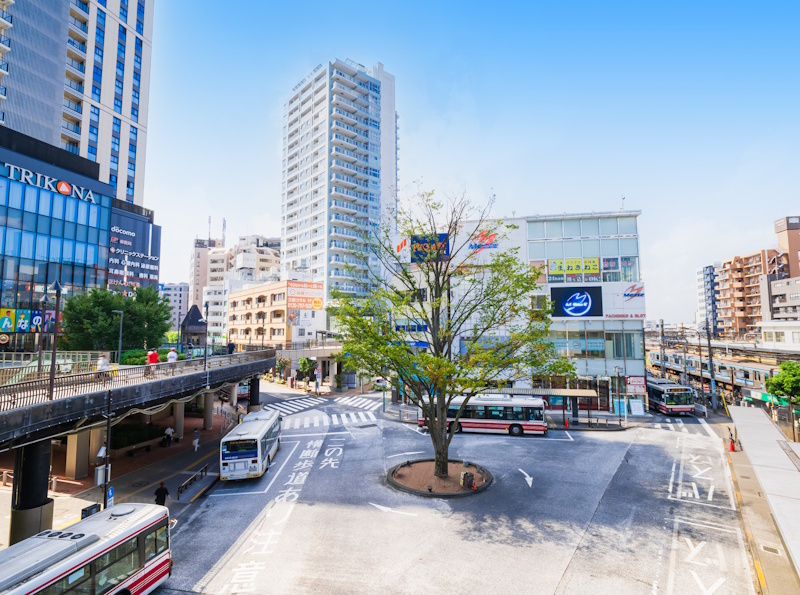
To support its argument, Tokyo repeatedly points to the experience of the West Tokyo (Tama) area.
Most municipalities there already charge residents for household garbage, and the results are clear. Per capita waste output in Tama ranks among the lowest in the country, while recycling rates remain among the highest. Officials attribute much of this success to the introduction of paid collection systems that encourage careful sorting and reduced disposal.
Kodaira City offers a particularly detailed example. Before 2019, the city treated most plastic packaging as ordinary garbage, excluding only PET bottles. That year, Kodaira introduced paid household garbage collection and began separating all plastic packaging as recyclable material. The city deliberately set lower prices for plastic recycling bags than for burnable or non-burnable garbage bags, creating a financial incentive for proper sorting.
The impact was significant. Kodaira reduced its burnable and non-burnable waste volumes by about 19 percent, while the amount of plastic sent for recycling increased roughly 2.3 times. Overall waste output declined, demonstrating how pricing and clear rules can influence behavior. Today, residents pay 80 yen (50 cents) for a 40-liter burnable garbage bag and 40 yen (25 cents) for a 40-liter plastic recycling bag.
Tokyo officials cite these outcomes as evidence that similar systems could work in the 23 wards. At the same time, they acknowledge important differences. Population density, housing conditions, and administrative structures vary widely across the wards, making uniform adoption more complex. Still, the Tama experience provides a concrete reference point as discussions move forward.
Public backlash and political challenges
The proposal has triggered strong public reactions almost immediately.
Governor Koike Yuriko addressed the issue in a media interview, arguing that population decline does not automatically reduce waste. She noted that the rise in single-person households often leads to increased garbage output. Based on this reasoning, she described paid garbage collection as one possible tool for suppressing waste generation and encouraging behavioral change.
Her remarks quickly spread online and drew criticism from prominent figures. Entrepreneur Nishimura Hiroyuki mocked the proposal on social media, linking the idea of garbage fees to large-scale metropolitan projects that have faced criticism for excessive spending. He cited a fountain project in Odaiba costing about 26 billion yen (173 million dollars), as well as the expensive projection mapping initiative at the Tokyo Metropolitan Government building.
Many online comments echoed this frustration. Critics argued that garbage collection should remain a basic public service funded by taxes, especially during a period of rising prices and repeated tax increases. Some warned that introducing fees could create new problems in how residents dispose of waste. Others questioned the fairness of asking residents to pay more while controversial projects continue.
Supportive voices also appeared, though in smaller numbers. Some users expressed surprise that household garbage collection in Tokyo remains free, calling paid systems normal elsewhere. Others emphasized that the primary goal is waste reduction, not punishment.
A veteran garbage collection worker added a nuanced perspective, supporting paid bags in principle while opposing the timing as a resident. He urged the public to separate concerns about waste reduction from anger over government spending.
Keep reading


Sources
東京都23区の「家庭ごみ有料化」導入検討促す方針 “ごみ減量強化シナリオ”で都民と事業者に行動変容を呼びかけ FNNプライムオンライン
ひろゆきさん、「東京23区家庭ゴミ有料化」をムダ遣いの影響と皮肉る「お台場の噴水26億円で…」中日スポーツ
小池都知事の“ゴミ有料化”構想に著名人が続々反発「生活者として賛成できない」清掃芸人も私見 SMART FLASH
東京の資源循環及び廃棄物処理に係る施策の方向性について 東京都