
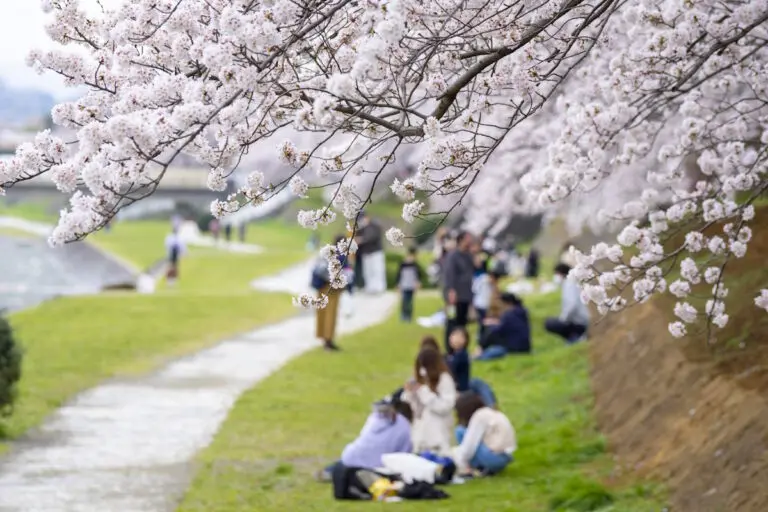
Cherry blossom season kicks off earlier than usual this year across much of Japan, with Tokyo, Nagoya, and Gifu leading the charge on March 20th.
Japan’s cherry blossom forecast arrived three weeks earlier than usual this year, according to a new prediction system that’s changing how the country tracks its most beloved seasonal event.
Nihon Kisho Corporation (Japan Weather Association) announced its first 2026 sakura forecast on December 18, 2025, a full month ahead of the traditional January release. The company now uses artificial intelligence to make long-range temperature predictions, allowing it to publish earlier without sacrificing accuracy.
The forecast covers roughly 1,000 locations across Japan, from Hokkaido in the north to Kagoshima in the south. This year, northern and eastern Japan can expect blooms earlier than average, while western Japan will see roughly typical timing.
Early bloomers and late starters
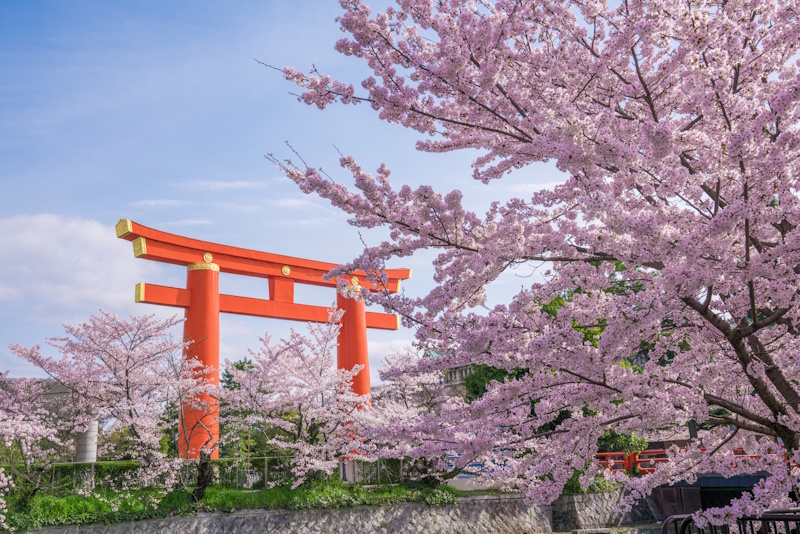
The race to first bloom is a three-way tie this year. Tokyo, Nagoya, and Gifu are all expected to see their first blossoms on March 20th, about four to six days ahead of schedule.
High temperatures in early spring are pushing the season forward in many regions. After the first wave hits the Kanto area, blossoms will spread quickly through Shikoku, Kyushu, and Chugoku regions over the following days.
Northern areas face a longer wait. Sendai won’t see blooms until around April 5th, while Sapporo, Japan’s northernmost major city, will have to hold out until approximately April 26th. That’s still five days earlier than the city’s average bloom date of May 1st.
The forecast also includes a newcomer: Kawazu-zakura, an early-blooming variety famous in Shizuoka Prefecture’s Kawazu Town. These pink flowers typically arrive weeks before the standard Yoshino cherry trees, and this year is no exception. Many kawazu-zakura trees had already begun flowering by early February.
How the forecast works
Predicting when cherry blossoms will open isn’t as simple as checking the temperature.
Cherry trees form their flower buds the previous summer, but those buds immediately go dormant. They need exposure to cold temperatures – somewhere between -5°C and 15°C – before they’ll “wake up” and start growing again. Scientists call this dormancy breaking.
Once the buds emerge from dormancy, warmer temperatures in late winter and early spring speed their development. The entire process depends on a delicate balance of autumn chill, winter cold, and spring warmth.
Nihon Kisho uses proprietary prediction formulas based on decades of research. They calculate accumulated temperatures, track dormancy patterns, and analyze historical data for each forecast location. This year’s AI addition helps them project temperature trends months in advance with greater confidence.
The company tracks what it calls “bloom meters,” visualizations of where each location stands on the journey from dormancy to full bloom. As of mid-December, Sapporo led the pack at 96% through the dormancy-breaking phase, with Muroran at 93% and both Hakodate and Morioka at 86%.
Regional differences paint a complex picture
Northern Japan experienced average temperatures in October and November before December turned warmer than usual. January brought near-normal conditions, but February through April are expected to run warm. The combination means dormancy will break on schedule, but growth afterward will accelerate, resulting in early blooms across Hokkaido and Tohoku.
Eastern Japan saw a warm October, an average November, and a warm December. Dormancy timing looks typical, but the warm March temperatures will push blooms ahead of schedule throughout the Kanto, Koshinetsu, Tokai, and Hokuriku regions.
Western Japan had an unusually hot October, which may have slightly delayed the dormancy-breaking process. February temperatures are forecast to run below average, slowing early spring growth. But a significantly warm March should help the trees catch up, bringing blooms right on time across Kinki, Chugoku, Shikoku, and Kyushu.
Japanese sakura is getting global appeal
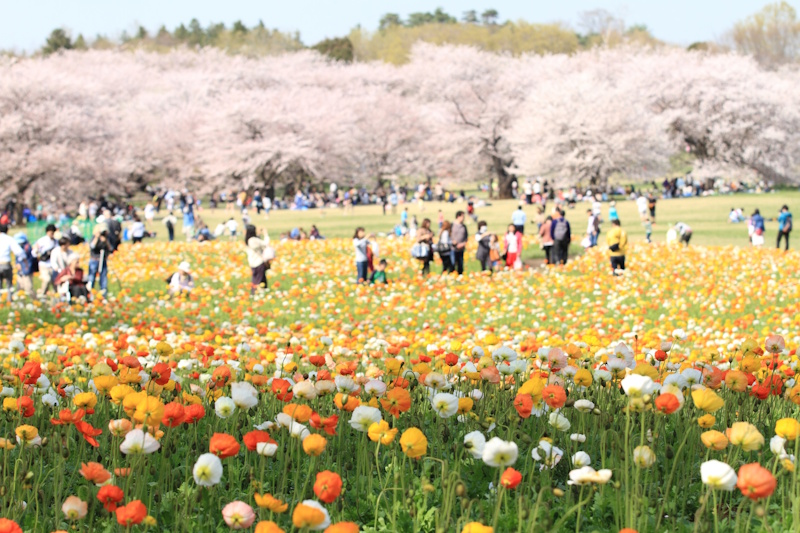
The earlier announcement timing isn’t just about beating the calendar. It’s a response to growing demand from both domestic and international visitors who need lead time to plan trips.
Cherry blossom tourism has become big business in Japan. Cities compete for visitors during the brief two-week window when their trees are at peak bloom. Hotels fill up months in advance. Tour operators build entire packages around seeing the sakura at their most spectacular.
The forecast gets updated regularly as actual weather conditions unfold. Nihon Kisho planned to release its second update in early February, with additional forecasts following every two weeks through the season.
Anyone interested can track the predictions through the company’s free “Otenki Navigator Sakura Navi” website, which provides detailed bloom and peak dates for all 1,000 forecast locations. There’s also a free smartphone app called “Sakura no Kimochi” available in three languages – Japanese, English, and Chinese.
How the sakura blooming trends have been
The 2025 season saw delayed dormancy breaking across most of Japan due to warm autumn temperatures. Northern regions bloomed early to very early, while eastern and western Japan came in close to average.
Yoshino cherry trees, the Somei Yoshino variety that dominates forecasts, follow strict criteria for official bloom and peak dates. The Japan Meteorological Agency declares blooming when five to six flowers open on designated sample trees. Peak bloom comes when roughly 80% of buds on those trees have opened.
This year’s patterns suggest a slightly compressed season in the north and east, with more stretched-out timing in the west. That could mean a longer overall viewing window for people traveling across multiple regions.
The forecast covers only Yoshino cherries at most locations, though the kawazu-zakura addition marks an expansion. Japan has dozens of cherry varieties that bloom at different times, from the pale pink weeping cherries to the deep pink yaezakura with their clustered double blooms.
Planning your hanami
The cherry blossom forecast has become essential infrastructure for Japan’s spring tourism. While the forecast isn’t perfect, the predictions are remarkably accurate, typically landing within a few days of actual bloom dates at most locations. Experts hope that the new system makes them even better.
For anyone planning 2026 hanami parties, book early if you’re targeting Tokyo, Nagoya, or other early-blooming cities. The mad rush will start around March 20th, with peak viewing roughly a week later. Northern Japan offers a second chance for anyone who misses the first wave. Sapporo’s late April blooms create a month-long sakura season across the archipelago, plenty of time for everyone to catch the show.
Need help making your cherry blossom season a once-in-a-lifetime experience? Contact us at Unseen Japan Tours to create a custom itinerary and provide interactive guiding to help you acclimate and converse with the locals!
Keep reading
Sources
桜ナビ 日本気象株式会社
お花見2026年ガイド LET’S ENJOY TOKYO!
2026年「第1回桜の開花・満開予想」を発表 AIを用いた長期予測の導入で、12月の早期発表が可能に 北・東日本では平年より早く、開花一番乗りは東京・名古屋・岐阜の3月19日開花 PR TIMES
2026年桜の開花・満開予想(第4回)を発表 日本気象株式会社
桜開花予想2026年第1回 福岡・東京3月21日で開花トップ 名古屋・高知22日 tenki.jp