
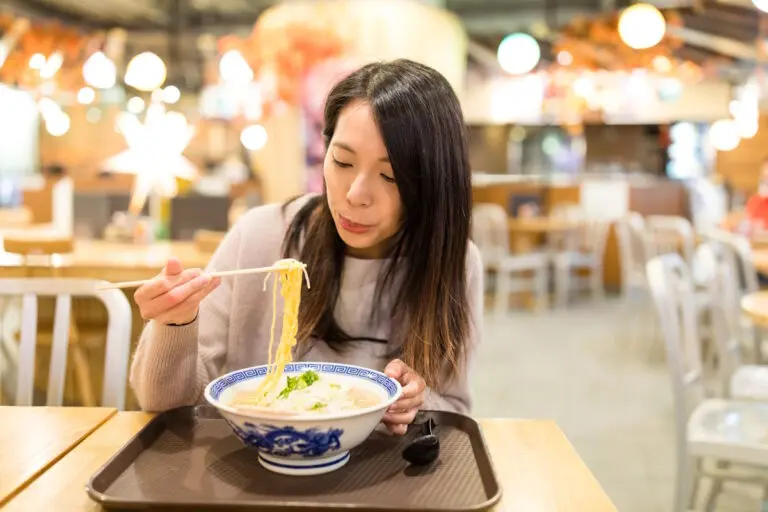
A new ramen location in Tokyo’s Akasaka district is challenging the perception that ramen shops are intimidating spaces for female customers.
Ramen restaurant chain Dototonbori Kamiza opened its Akasaka, Tokyo store on February 3rd with a specific mission: make women feel welcome. The company calls it their first “women’s hospitality promotion store,” a designation that goes beyond just marketing talk.
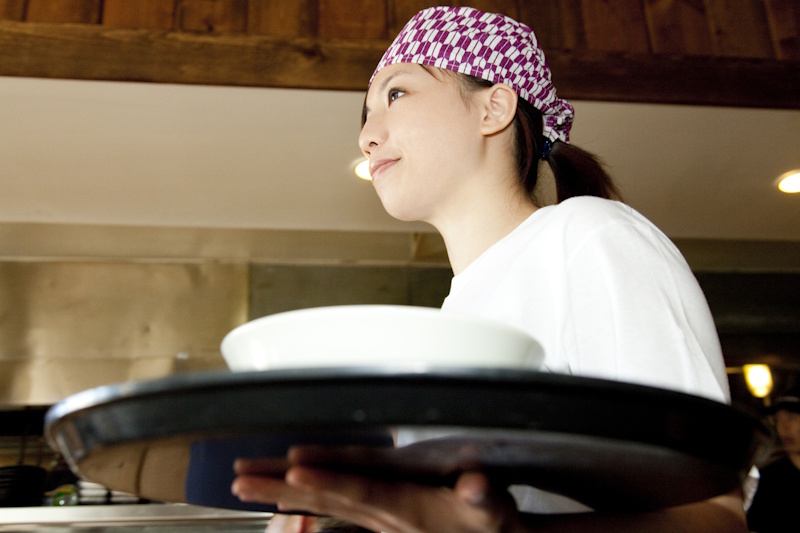
The store puts women front and center, with a female manager at the helm. Between 11 AM and 6 PM, roughly 80% of staff members are women.
The restaurant stocks amenities you won’t find at your typical ramen joint. Near the entrance, customers find tabletop mirrors and several types of hand cream. Hair ties and paper aprons sit ready for anyone who needs them. The restrooms go beyond the basics with deodorizing spray, diffusers, hand soap, and sanitary products.
Kamiza has positioned Akasaka as a starting point for potential nationwide expansion. The company emphasizes that while the store focuses on welcoming women, customers of all genders can eat there. The chain aims to strip away the barriers that keep women from walking through the door in the first place.
Why women may hesitate to go into ramen restaurants
The numbers tell a clear story about gender and ramen consumption. A survey by online ramen retailer Takumen.com found that about half of women feel uncomfortable entering ramen shops alone.
When asked directly, “Can you easily walk into a ramen restaurant by yourself?” roughly 70% of female respondents said no. Male respondents flipped that ratio, and about 70% said they had no problem eating ramen solo.
The gender split isn’t about whether women like ramen. Monthly consumption patterns show only modest differences between men and women. Close to 50% of men eat ramen at least once a month, compared to about 40% of women. When you include people who eat ramen a few times per year, both genders clear 80%.
So women do eat ramen. They just don’t eat it alone at ramen restaurants as often as men do. One survey result stated, “I don’t usually eat out alone anyway,” which is somewhat contradictory to the tolerance for eating alone in Japanese culture, although it may depend heavily on personal preferences.
Furthermore, the data suggests something more specific to ramen culture. When the same survey asked about eating alone at fast food restaurants, the gender gap disappeared completely. About 60% of both men and women said they’d eat solo at a burger joint or coffee shop without hesitation. It seems that something about ramen shops puts women off.
Does ramen have a masculine image problem?
Ramen may carry baggage as “men’s food” in Japan, especially for types of ramen known widely as the Jirō-kei or ie-kei ramen.
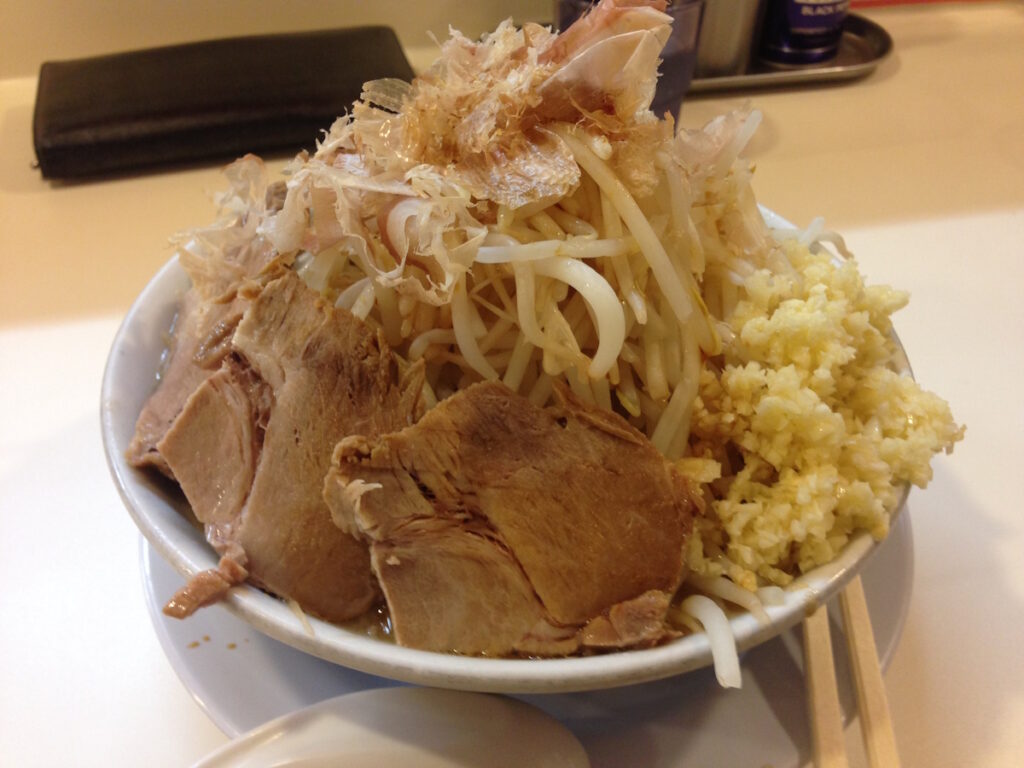
The Jirō-kei ramen is characterized by its large portions and its rich and heavy bone stock soup. It also piles on fat, garlic, and vegetables on top of the noodles, which emphasizes its large portions and richness over presentation.
Shakariki, a popular Jirō-kei ramen shop in Osaka, serves Otoko no Shugyo (Men’s Training) bowls that look like a vegetable mountain, with thick pork belly slapped onto their surface. The yasai mashi-mashi option drowns your ramen under what appears to be an entire bag of bean sprouts. Shops like Kuroki Seimen Shakariki Yu in Kashiwara City offer 300- to 400-gram noodle portions with all toppings maxed out.
Survey respondents mentioned concerns about judgment when eating large portions or rich foods in public. Some worry about being perceived negatively for eating hearty meals at ramen shops.
The worry extends beyond the food itself. Ramen shops traditionally operate on speed and efficiency. You order from a ticket machine, slurp down your noodles before they get soggy, and clear out for the next customer. Some Jirō-kei ramen shops do not even allow speaking inside the shop for this reason. Survey respondents who said they prefer eating with others mentioned that the fast-paced ramen shop environment doesn’t suit group dining well.
Survey reveals what women want from ramen shops
The Takumen.com survey asked women what would make them more likely to visit a ramen restaurant. About 60% said cleanliness matters most. Around 50% wanted a place where they could eat slowly without feeling rushed.
Trendy decor, lots of female customers, and dessert menus each scored below 10%. Those factors don’t hurt, but they’re not the main draw. Women just want clean restaurants where they don’t feel pressured to leave.
That might sound basic, but it represents a shift from traditional ramen shop priorities. The classic ramen joint optimizes for a speedy customer turnover rate. Comfort and ambiance come second, if they come at all.
As for the food itself, about 50% of female survey respondents said they wanted ramen with vegetables. Around 30% each wanted low-calorie options or ramen that’s good for beauty and health.
Those preferences explain why a tomato ramen collaboration between Taiyou no Tomato Men and Dr. Ci:Labo became Takumen.com’s top seller during one survey period. The ramen included over 80 plant-based fermented extracts and beauty-focused ingredients, plus tomatoes loaded with lycopene.
The dish clocked in at fewer calories than standard ramen. Half the customers who bought that ramen were women, well above the site’s overall female customer ratio of around 30%.
But the data also shows women aren’t monolithic in their tastes. Heavy, rich ramen styles still found plenty of female fans. Jirō-inspired ramen from the shop Chibakara ranked third in sales during the same period. Survey data showed clear camps: women who loved light, refreshing ramen and women who craved heavy, aggressive flavors.
The way forward
Kamiza’s Akasaka experiment recognizes something important: making ramen shops more welcoming to women doesn’t require dumbing down the food or painting everything pink.
The chain created an Akasaka-exclusive menu set called “Half Half Hafuhafu Set,” a wordplay on its half-sized portion and an onomatopoeia for eating hot food. It includes half ramen with seasoned egg, half fried rice, and one piece of fried chicken. Real ramen shop food, just in portions designed for customers who want to try multiple items without ordering massive quantities of each.
The strategy seems to be working elsewhere, too. Shops that focus on cleanliness, comfortable seating, and not pressuring customers to leave quickly report a more diverse clientele.
Keep reading



Sources
ラーメン店=女性が入りにくいを覆す「神座」新店舗…赤坂に登場 アメニティ用意など具体施策【概要】 オリコンニュース
女性は一人でラーメン屋さんに入りづらい!? 入りやすいラーメン屋さんの選び方を教えます! 麺屋黒源
【宅麺.com】<女性へのラーメンに関するアンケート調査>女性が食べたいラーメンは「野菜が取れる」ラーメン、行きたいお店は「清潔感があり、ゆっくり食べられる」ラーメン店 GOURMET X
男の修行のヤサイマシマシはヤバい(かんちゃん) Lemon 8