
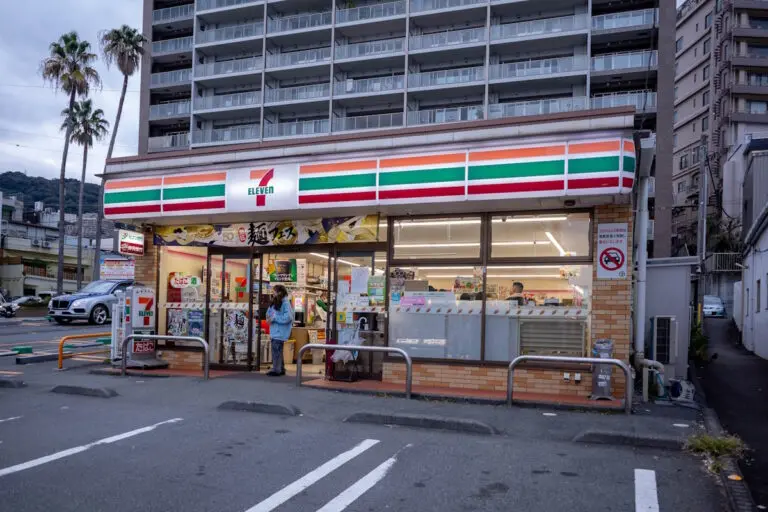
Konbinis have been a staple in the everyday lives of ordinary Japanese people as drop-and-stop spots for cheap, fast, and filling food. But now, that norm might be ending. Japanese locals face sticker shock at prices they’ve never seen before, but foreign tourists still marvel at what konbini offer for the money.
The rising cost of existing
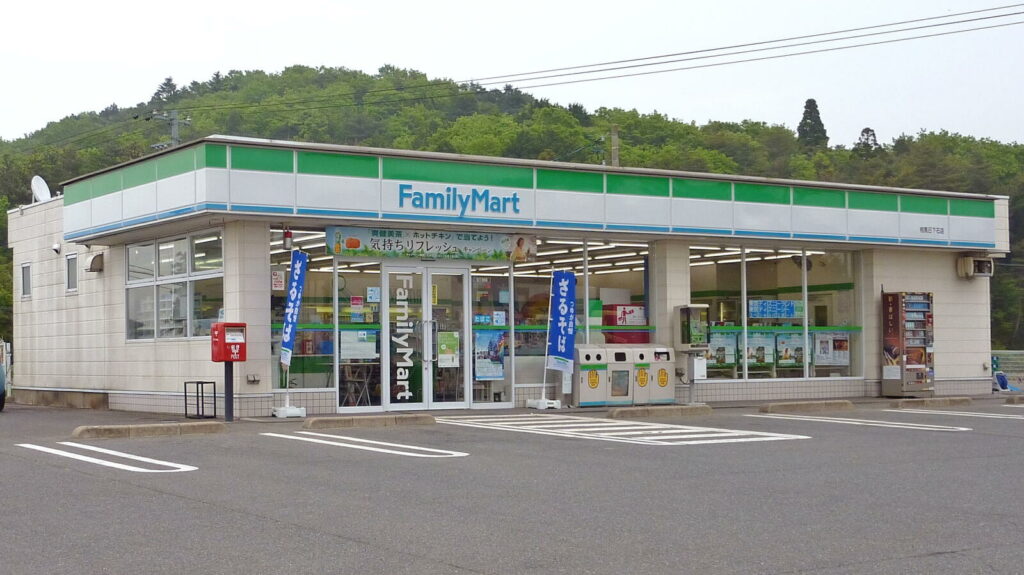
Scroll through social media, and you’ll find countless memes from tourists lamenting the loss of their beloved konbini access after returning home from Japan.
For residents, however, sticker shock is sending them elsewhere.
7-Eleven announced price increases for 29 items, including onigiri and bento boxes, in February 2026. The changes pushed many standard rice balls past the 200-yen mark. For a food item that once sold for 100 yen or less, the jump feels massive.
Young people are walking away. A street survey in Shibuya found that 52 out of 100 respondents no longer buy onigiri at convenience stores. When asked how much they’d pay, responses clustered around 150 to 180 yen, and anything above that is out of the question.
“I stopped buying them after they crossed 150 yen,” one 20-something student told surveyors. “I don’t want them that badly.” They would rather choose something cheaper that fills the stomach.
The complaints aren’t just about price. Customers notice the portions shrinking as costs increase. What industry watchers call “stealth price hikes” have damaged trust in the konbini brand.
Back in the days when 100 yen bought an onigiri
Ten years make a difference. Government retail price data shows salmon onigiri averaged 109 yen nationwide in January 2015. By November 2025, that same onigiri costs 170 yen at supermarkets, and konbini prices run even higher.
The early 2000s represented the low point. During Japan’s deflationary period, convenience stores competed on price, with standard onigiri selling for 80 yen. Some chains ran promotions offering rice balls at 100 yen each. Due to what economists call the “lost 30 years” in Japan, the Japanese aren’t used to seeing prices rise with inflation. Yet, current prices at major chains tell the story (December 2025 data):
Salmon onigiri:
- 7-Eleven: 213 yen ($1.43)
- FamilyMart: 235 yen ($1.58)
- Lawson: 221 yen ($1.48)
Tuna mayo:
- 7-Eleven: 178 yen ($1.19), recently raised to 196 yen ($1.32)
- FamilyMart: 198 yen ($1.33)
- Lawson: 203 yen ($1.36)
Even the cheapest options hit 170-180 yen. Premium varieties with special ingredients push past 250 yen. Similar to the 1000 yen wall with ramen, the 200 yen barrier matters psychologically to customers. Customers who remembered 100-yen onigiri can’t adjust to paying double.
Japan’s inflation problem keeps growing
For decades, Japan fought deflation as prices fell and wages stagnated, the economy limping along. Then everything changed seemingly overnight.
Global supply chain disruptions from COVID-19 hit Japan particularly hard. Energy costs spiked after Russia invaded Ukraine, and the yen weakened against the dollar, making imports far more expensive. On top of all that, domestic rice harvests struggled with increasingly unpredictable weather patterns.
Food prices led the inflationary surge, with cooking oil, bread, and dairy products all getting more expensive. But rice hits differently in Japan: it’s the foundation of Japanese meals, which means when rice costs more, everything built around it costs more, too.
Convenience stores felt the squeeze from multiple angles at once. Rice prices climbed while seaweed for wrapping onigiri became scarce due to poor harvests. Salmon costs rose as global demand increased, fuel prices made delivery more expensive, and labor shortages pushed wages up. Companies passed those costs directly to customers, arguing they had no choice since margins were already thin and the alternative was closing stores.
The government tracked the damage as it unfolded. By 2025, overall consumer prices had risen significantly from pre-pandemic levels, with food and beverage costs increasing faster than other categories. Japan’s long deflation had ended, but not in the way anyone wanted.
The real problem? Wages didn’t keep pace with rising costs. Real incomes fell as inflation ate into paychecks, leaving people with less money to spend even as prices rose. That’s why those Shibuya survey respondents can’t afford 200-yen onigiri anymore – it’s not stubbornness or pickiness, it’s basic math.
Konbini are losing their competitive edge against konbini-fied supermarkets
The price increases wouldn’t hurt nearly as much if alternatives didn’t exist, but they’re everywhere now and multiplying fast.
Small-format supermarkets have spread across urban Japan like wildfire. Chains like My Basket (run by Aeon) and Trial Go offer supermarket prices with konbini-like convenience, opening stores in residential areas with long hours and selection focused on daily necessities.
A salmon onigiri at these stores costs maybe 130-150 yen, which is 60-80 yen cheaper than 7-Eleven for essentially the same rice ball. The quality gap isn’t huge, so for budget-conscious shoppers, the choice becomes obvious.
The survey data shows this shift in real time. When asked what they buy instead of konbini onigiri, young people mentioned bakery items (cheaper per calorie), instant ramen (fills you up for less), supermarket bentos (bigger portions), or nothing at all (just water or tea).
Several respondents said they’ve started cooking at home now, which is significant – Japanese people, especially young singles, have traditionally relied on konbini and restaurants for most meals. Learning to cook represents a major lifestyle change forced by economic pressure rather than choice.
The satisfaction gap widens as value deflation spreads
Money Post interviewed consumers about their changing attitudes toward convenience stores, and a 40-year-old office worker explained his thinking in a way that captures the broader shift:
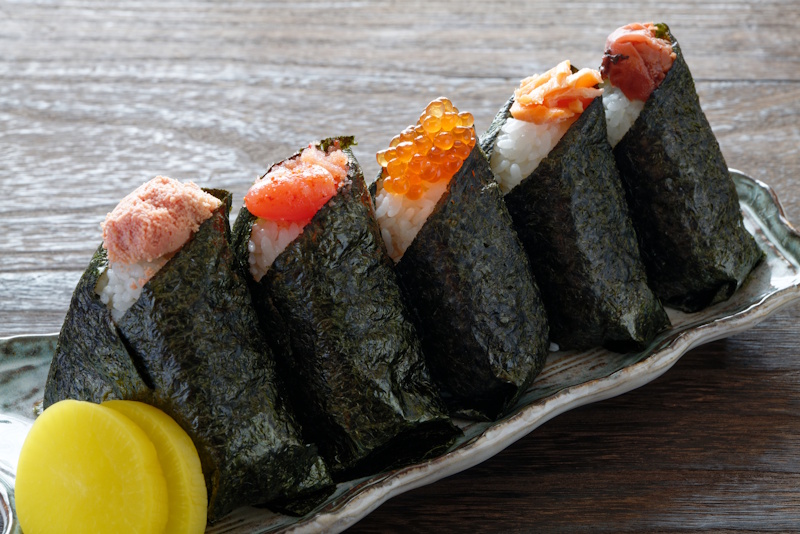
“If I’m paying 200 yen for an onigiri, I’d rather go to a specialty onigiri shop and pay 200 or 300 yen for one that’s freshly made. The price difference narrowed so much that konbini doesn’t make sense anymore.”
This logic appears repeatedly across different consumer segments. Konbini used to offer acceptable quality at genuinely low prices, but now prices have risen close to those of specialty stores, while quality has stayed exactly the same. The value proposition simply broke.
People are also making different calculations about where to spend their limited money. A cup of coffee at a cafe costs 400-500 yen, which used to seem expensive compared to 100-yen canned coffee from a vending machine. But now that konbini coffee costs 150-200 yen, suddenly paying 500 yen to sit in a nice cafe and relax doesn’t seem quite so unreasonable.
“I’d rather pay more for something that really satisfies me,” one consumer told Money Post. “Konbini just feels like I’m wasting money now.”
The industry has a term for this phenomenon: “value deflation.” The perceived value of convenience store products has dropped even as nominal prices rose, and customers increasingly don’t feel they’re getting their money’s worth.
Tourist spending actually highlights the problem quite clearly. Foreign visitors consider 200 yen for onigiri perfectly reasonable, since it’s still cheaper than food in their home countries. But for Japanese workers earning stagnant wages, 200 yen can represent quite an outlay, especially with the minimum wage hovering barely over 1,000 yen.
The calculation changes completely depending on which side of that divide you’re on.
Keep reading




Sources
もうコンビニには行けない」 加速する「コンビニ離れ」の理由と今後の展望は YAHOO! JAPANニュース
「コンビニで買い物するのは富裕層」「具が極端に貧相になった」コメと海苔高騰のWパンチ…値上げが続く“コンビニおにぎり”に集まる悲痛な声 文春オンライン
〈コンビニおにぎりまた値上げ〉「ツナマヨ、いくらまでなら買う?」渋谷100人の若者に聞いたら悲鳴だらけ「もはや高級品」「それなら満足度高いものを買う」 集英社オンライン
《むしろ高級スーパーがお買い得?》物価高で「コンビニ離れ」するようになった消費者の買い物心理の変化 「どうせお金を払うなら満足度を重視したい」 マネーポスト
「コンビニおにぎり」がいよいよ「200円の壁」突破で消費者困惑…米価格とともに「値上げ」が止まらない理由 マネー現代