
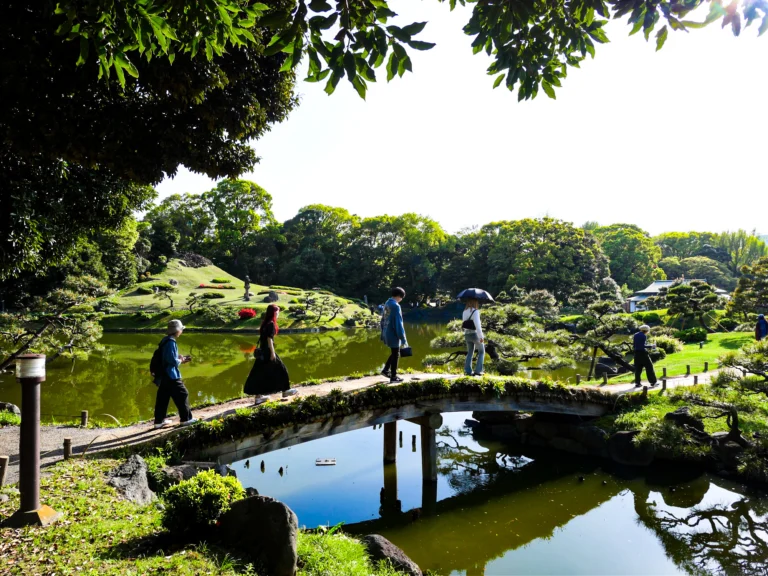
Years ago, on one of my first trips to Japan, my Japanese ex took me to a little neighborhood in Tokyo. I’d admittedly never been much outside of downtown Tokyo. (I was staying in Roppongi, for god sakes.)
I’ve since learned how diverse the city is, and come to love many of its smaller neighborhoods. But to me back then, “Tokyo” meant the tangle at Shibuya Scramble and the neon of Kabukicho. It was hustle and bustle and noise.
Kiyosumi-Shirakawa was different. It represented the quieter side of this sprawling metropolis of 14 million. Even better, I could spend an afternoon stepped in culture and good coffee without fighting crowds or standing in line for hours.
I went back recently, worried that it’d be overwhelmed by tourists. I was pleasantly surprised. Bottom line: if you love Japanese history, gorgeous public parks, third wave coffee, and/or sumo, Kiyosumi-Shirakawa is a fun and educational spot on your trip to Tokyo.
Historic Fukagawa: Tokyo’s unlicensed geisha quarter
Of course, since this is UJ, we can’t just say “go somewhere.” We need to give you a little history lesson to boot. (We know you love it.)
I mean, let’s be honest: the neighborhood’s name begs for an explanation. How did this staggering eight-syllable appellation come into being?
In fact, the name “Kiyosumi-Shirakawa” is only two decades old. Originally, this area near the Sumida River was known as Fukagawa. The name comes from Fukagawa Hachirōzaemon (深川八郎右衛門), who led a group of settlers from Osaka to reclaim the marshland.
Legend has it that the area got his name because shogun Tokugawa Ieyasu, who was consulting with Fukagawa on marshland reclamation projects in the area, asked him what the area was called. When Fukagawa said it didn’t have a name, the uniter of Japan named it after the man himself.
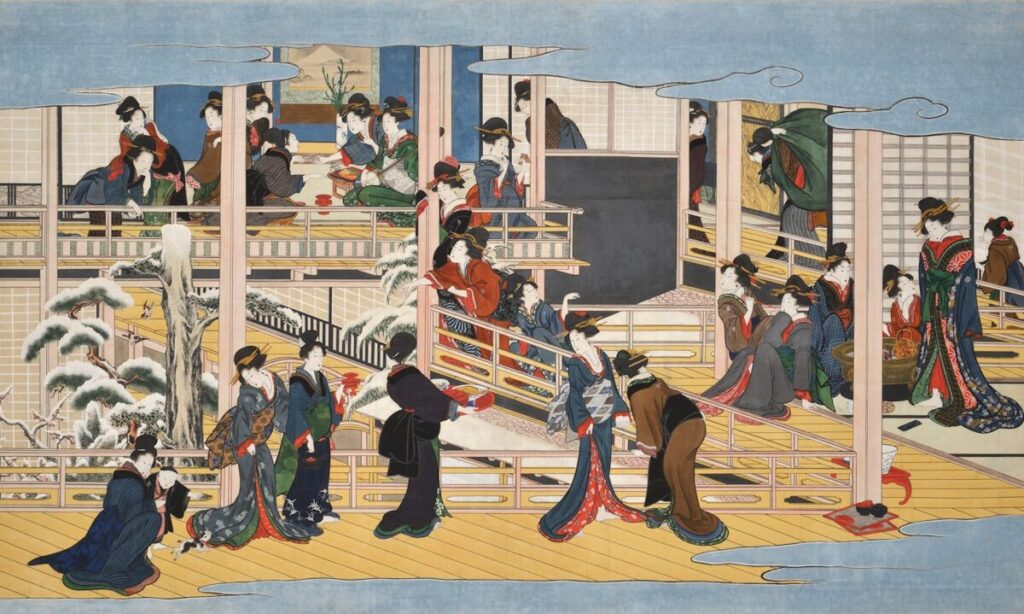
The area soon became Edo’s timber capital. It stayed that way into the postwar era, when land subsidence forced most timber yards to move to Shin-Kiba. Fukagawa also served as a bustling unlicensed geisha quarter. The women who worked there were known as the Tatsumi geisha (辰巳芸者), and were known for their “shitamachi” (downtown) style of understated chic: plain grey kimonos, minimal makeup, and masculine names and speech patterns.
Fukagawa was also home to an infamous tragedy at the Eitai bridge in 1807. During a festival for the Tomioka Hachiman shrine, the wooden structure gave way under the huge crowd. 1,400 people were killed, injured, or declared missing. The bridge has since been rebuilt multiple times, with the current steel arch, modeled on Germany’s Ludendorff Bridge, built in 1926 after the 1923 Kanto earthquake destroyed it.
The Kiyosumi name dates back to 1695, when fishermen settled the village after reclaiming the tidal flats. “Shirakawa” comes from Matsudaira Sadanobu (松平定信), the lord of the Shirakawa domain. He’s buried just three minutes from contemporary Kiyosumi-Shirakawa Station; his grave is a National Historic Site.
Where to go in Kiyosumi-Shirakawa
This intriguing history gives modern-day Kiyosumi-Shirakawa its distinct layout. Originally a canal-linked logistics and warehousing district, many of its low-rise warehouse and shopping district buildings were rebuilt along the same patterns after the Kanto earthquake and World War II. Its high density of convertible, small footprint industrial space makes it an ideal haven for the coffee shops, indie bookstores, and art galleries that flock to it today.
The two towns of Kiyosumi and Shirakawa comprise around 15,000 people today. The main train stop, Kiyosumi-Shirakawa Station, is served by two subway lines: the Tokyo Metro Hanzōmon and the infamously deep Toei Ōedo. If you’re in Shibuya, you can hop on the Hanzōmon directly and be there in 25 minutes. Here’s what to check out once you arrive.
Kiyosumi Garden
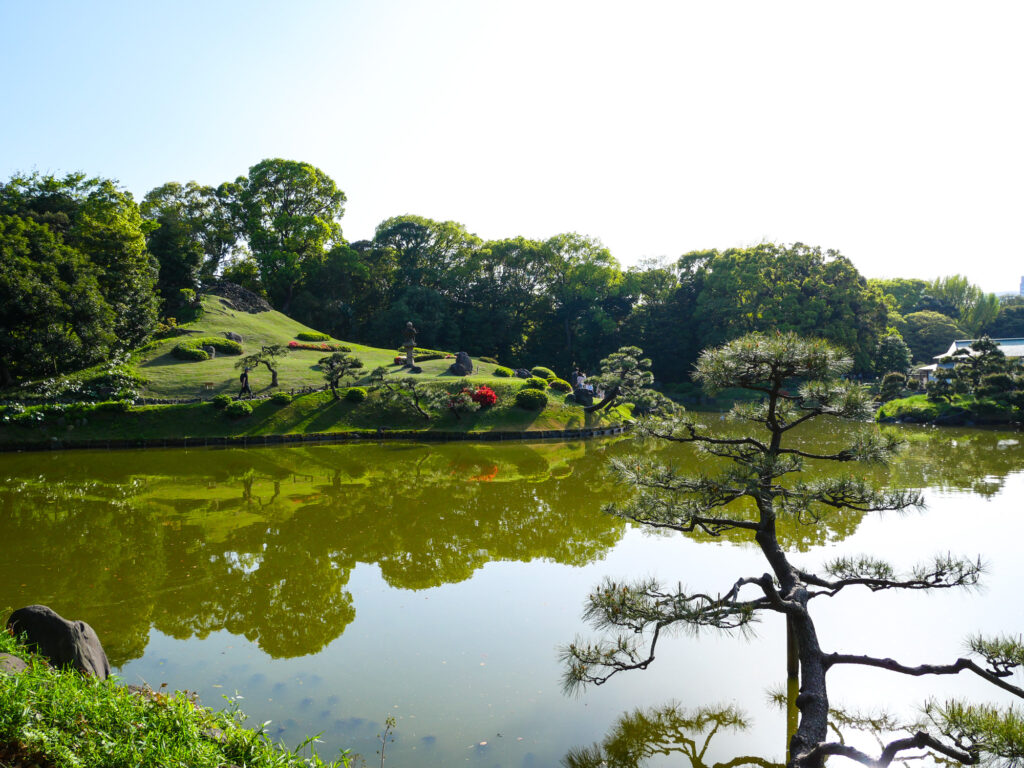
Personally, I consider a trip out to Kiyosumi-Shirakawa to be worth it even if you just do two things: drink good coffee and visit Kiyosumi Garden.
The grounds upon which the park now sits were rumored to be the villa of the Edo-era merchant Kinokuniya Bunzaemon. In 1878, Iwasaki Yatarō, founder of the Mitsubishi zaibatsu, bought the estate and made it a corporate retreat named Fukagawa Shinbokuen. The family donated it to Tokyo after the Kanto earthquake, and the city turned it into the beautiful garden it is today.
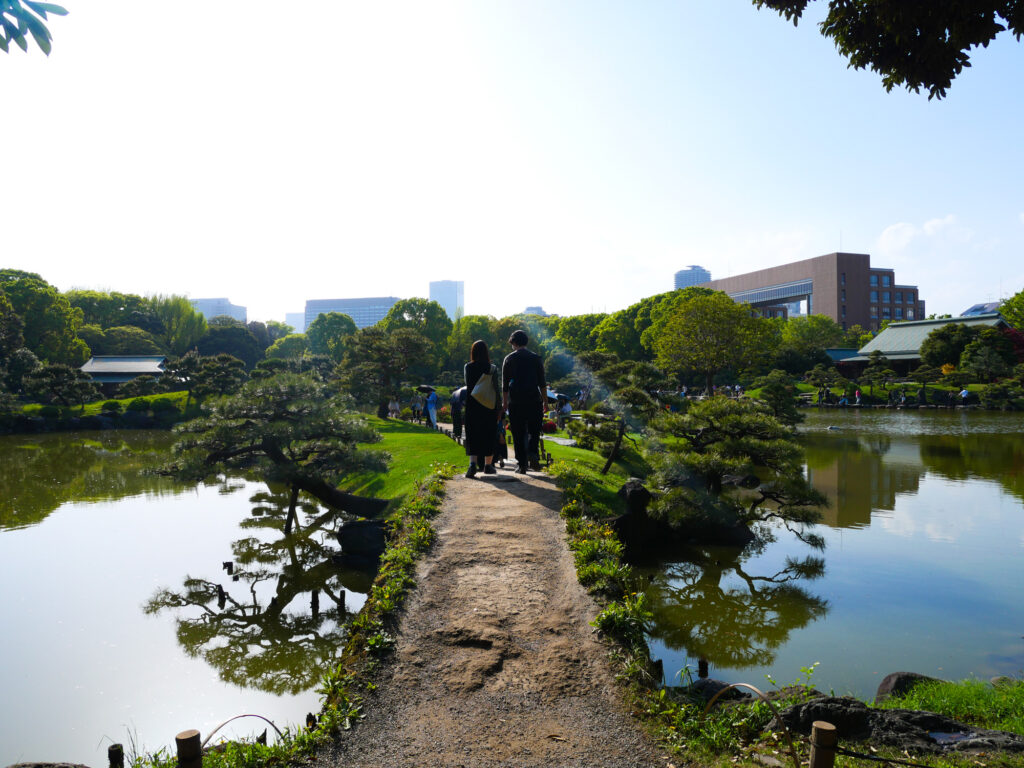
A short four-minute walk from the station, Kiyosumi Garden is a lovely place to get away from the chaos of the city. Pay 150 yen (less than $1) at the gate for unlimited grass touching time.
Want more time in nature? The free Kiyosumi Park is right next door, complete with benches and plenty of spaces to have a picnic.
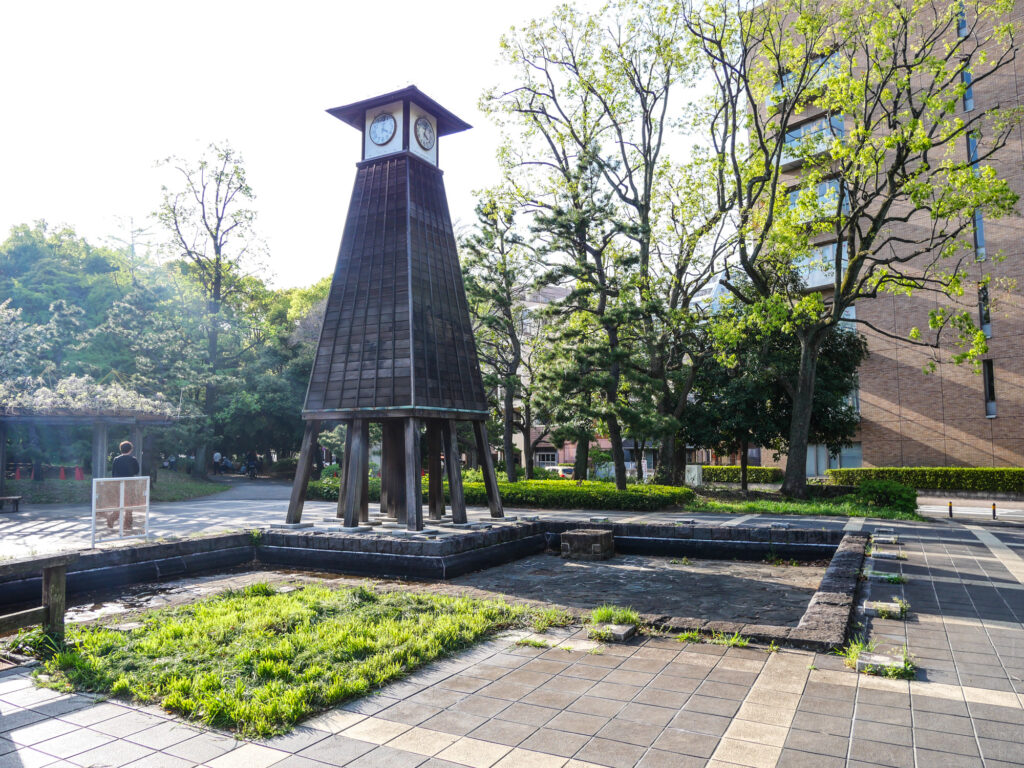
Address: Kiyosumi 3-3-9, Kōtō Ward, 〒135-0022
The Fukagawa Edo Museum
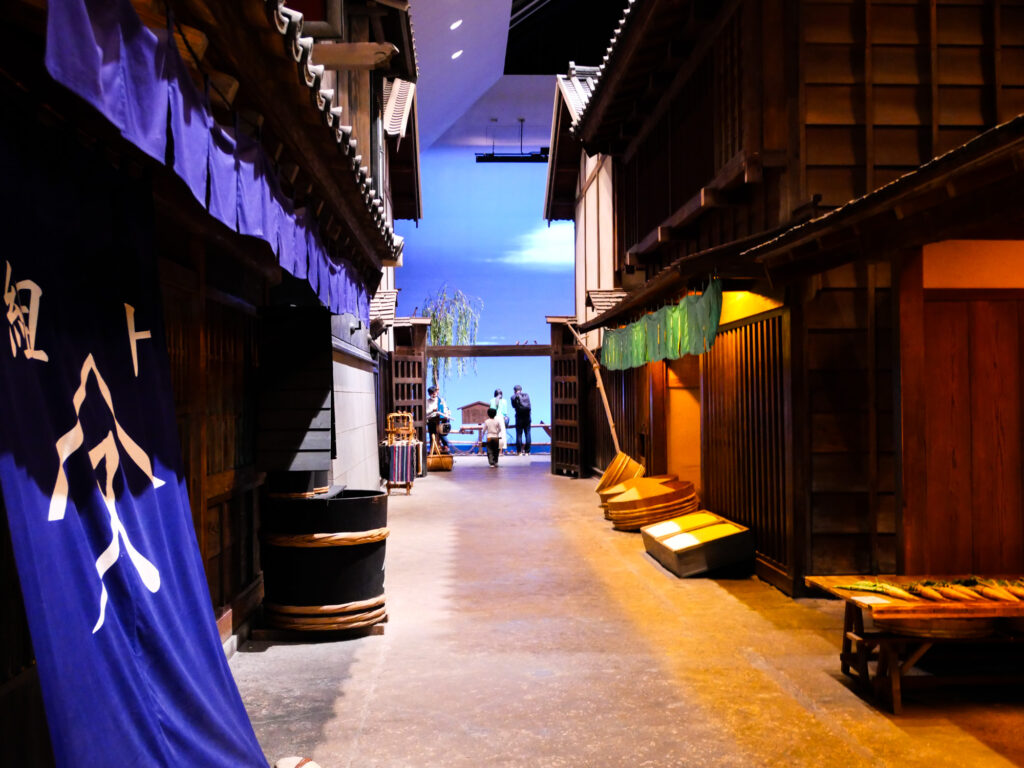
No doubt about it: the premier place to learn about Japan’s pivotal Edo era museum is the recently reopened Edo Tokyo Museum. But it’s a popular destination and can get packed. The Fukagawa Edo Museum offers a small, more personalized look into how one pivotal town functioned during the reign of the samurai.
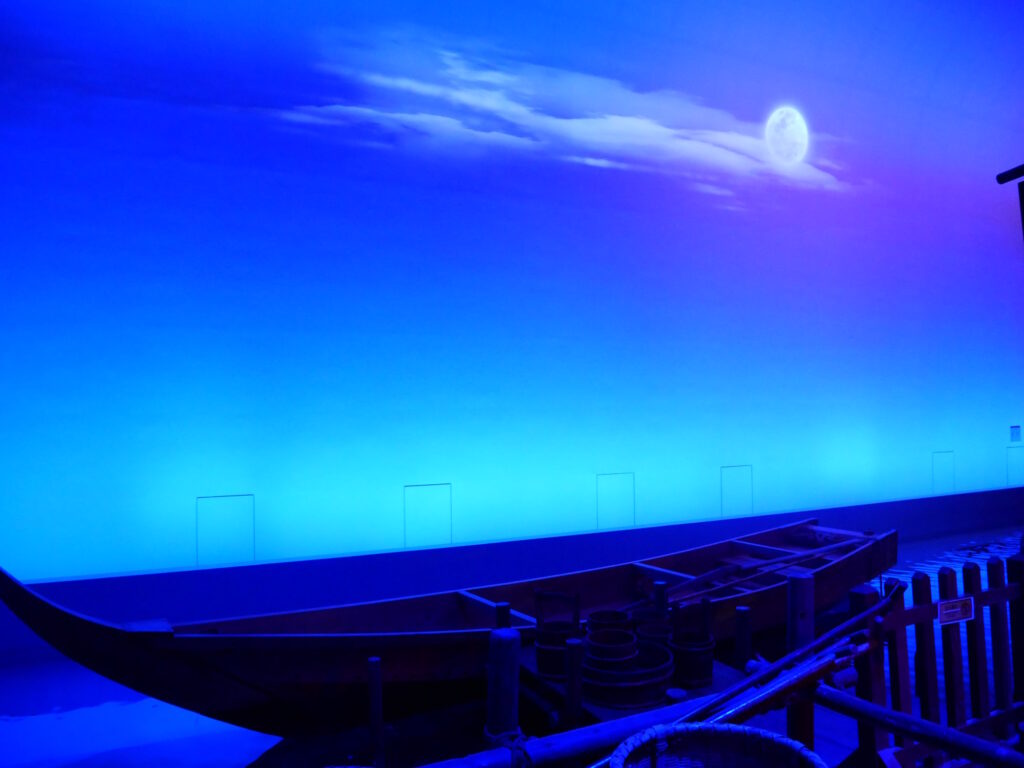
Kōtō Ward opened this museum in 1986, reconstructing a full block of late-Edo Fukagawa-Sagachō (~Tenpō era, 1830s) at 1:1 scale in a sunken indoor atrium. Buildings include tenements, a greengrocer, a rice-polishing shop, a fire-watch tower (火の見櫓), a canal with a flat-bottomed choki-bune boat, plus household objects you can actually touch. A 15-minute lighting and sound cycle (repeating every 30 minutes) plays a day-to-night progression with street-vendor calls and fire-prevention chants.
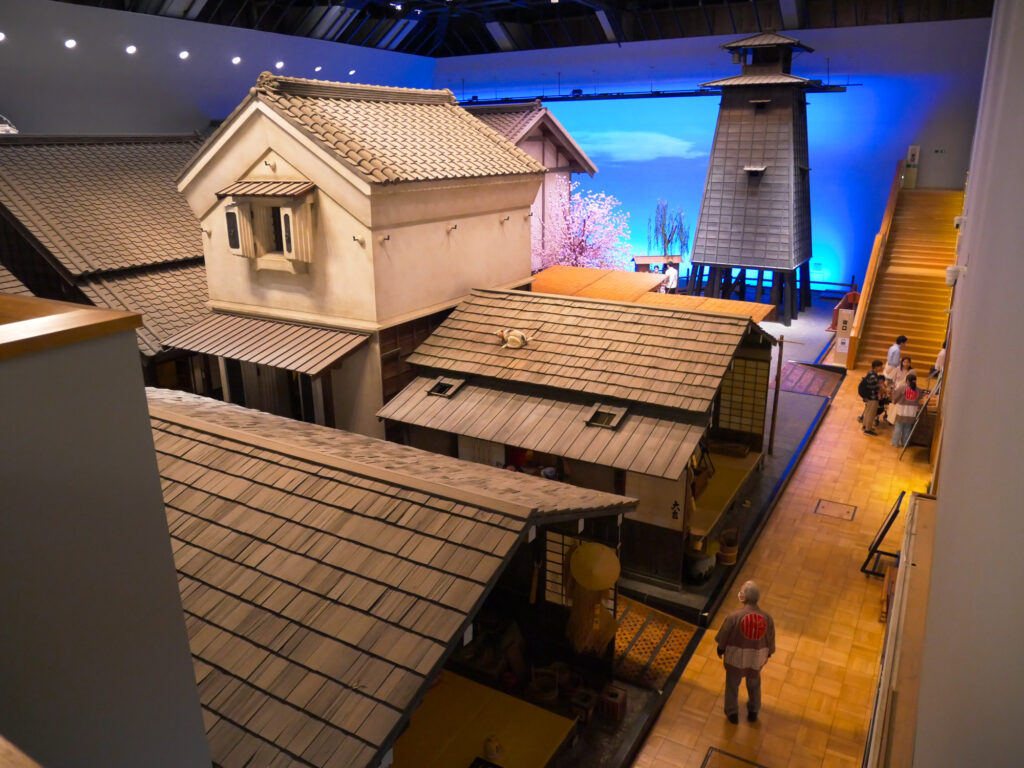
Another cool aspect of the museum is its section devoted entirely to Edomae sushi. You can grab plastic replicas of sushi from the time so you can see and feel viscerally how much larger it was compared to the modern take.
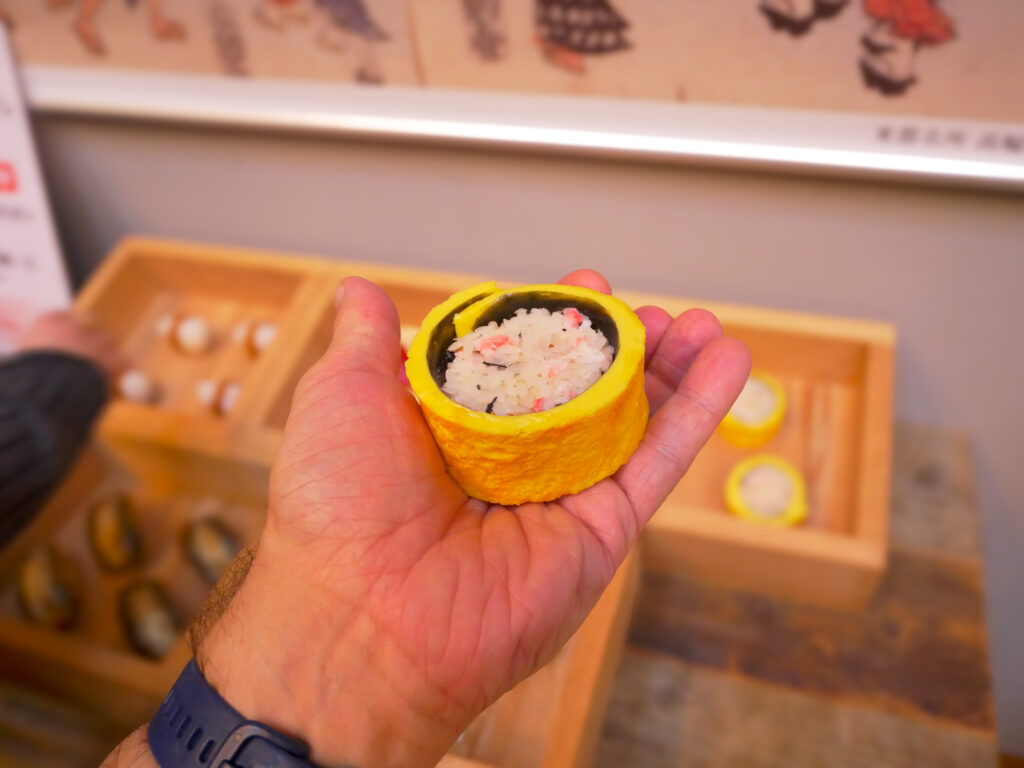
The museum has signs and pamphlets in English. The museum guides are also eager to talk about the history of Fukagawa in English to visitors, so don’t be shy about visiting.
Are you the museum type? If so, check out our rundown of offbeat museums around Tokyo.
Address: Shirakawa 1-3-28, Kōtō Ward, 〒135-0021
Third-wave coffee
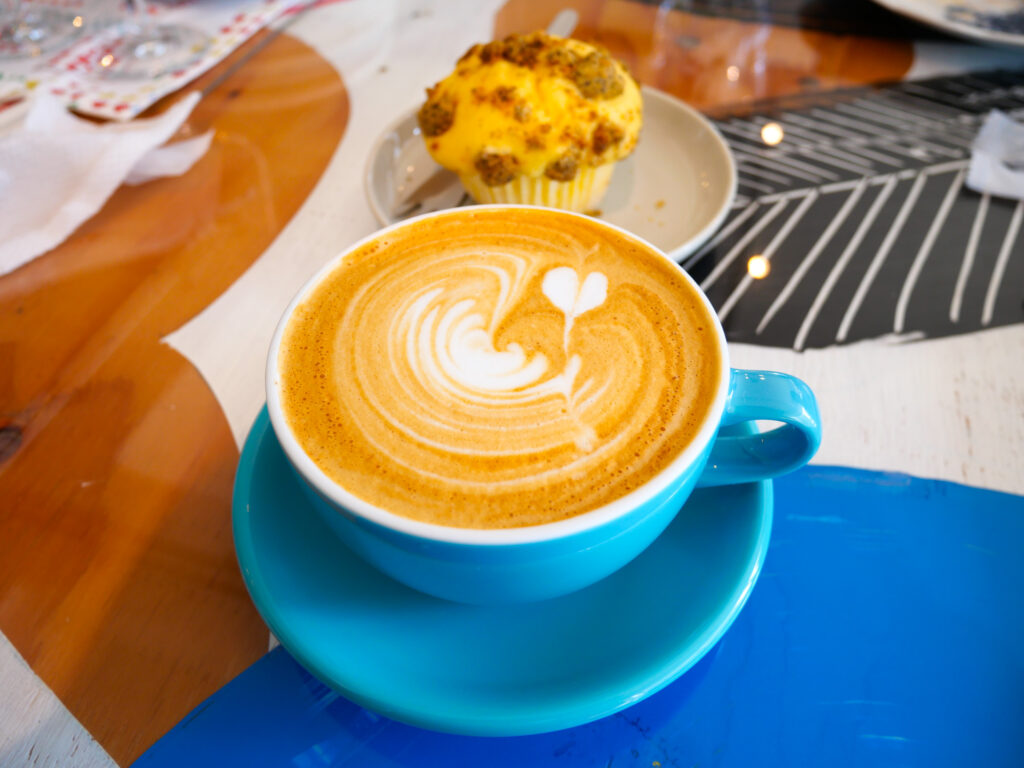
Because of its affordable rents and high-ceiling warehouses that can accommodate roasting machines, many third-wave coffee shops have opened in the area. (Some food writers say that Kiyosumi-Shirakawa is the only reason Japan has a third wave coffee scene at all.) That accelerated in 2015 when Bay Area-based Blue Bottle opened its Japan flagship inside a converted warehouse – the company’s first-ever store outside the US.
Yes, I know, my fellow Americans: you didn’t fly to Japan just to have coffee at a Blue Bottle. Instead, spend some time exploring the excellent local options that deepen Japan’s modern obsession with the coffee bean. Third wave shops continue to boom even as Japan’s traditional kissaten coffee shops lose steam.
While I was last in Kiyosumi-Shirakawa, I went to bar anohito in the “Little Tokyo” building for a delicious latte and lemon muffin in an atmosphere that any book lover will swoon over. (NOTE: anohito used to be known as +Angle and is still listed in Google Maps under that name. It’s in the same building as before, just under a new name and on the third floor.) Another well-rated option is ARISE Coffee Roasters, a short four-minute walk from the station.
bar anohito address: Miyoshi 1-7-14 , Kōtō Ward, 〒135-0022
ARISE address: Hirano 1-13-8, Kōtō Ward, 〒135-0023
Little Tokyo Building
While you’re there, check out what else is going on in Little Tokyo (リトルトーキョー), a building with a rotating set of tenants. Current tenants share a common set of third spaces, including a standing drink counter, bar, bookstore, and kitchen.
Address: Miyoshi 1-7-14, Kōtō Ward, 〒135-0022
Tomioka Hachiman-gū and Fukagawa Fudō-dō
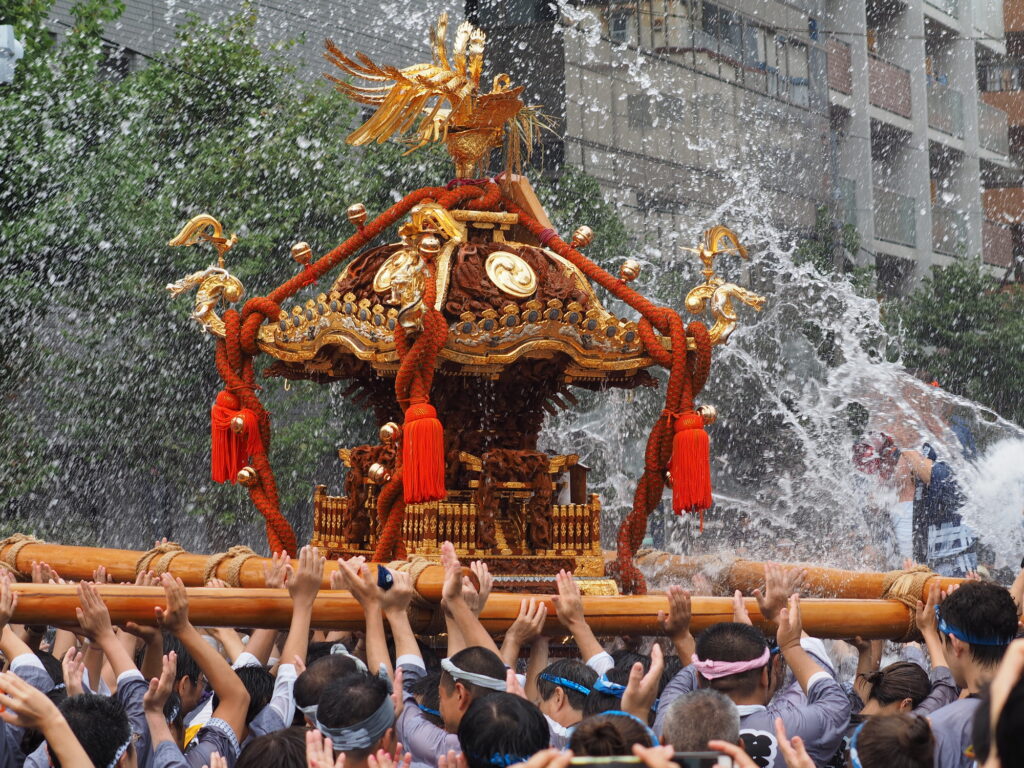
A short walk from Kiyosumi-Shirakawa Station is the neighborhood of Tomioka. A part of what used to be Fukagawa, this area has its own claim to a unique part of Japanese history.
There are numerous shrines across Japan dedicated to Hachiman, the Shinto god of archery and divine protector of Japan. Tomioka was the largest Hachiman shrine in Edo. To this day, it hosts a yearly Hachiman Festival in August, where participants throw water at a mikoshi (portable shrine).
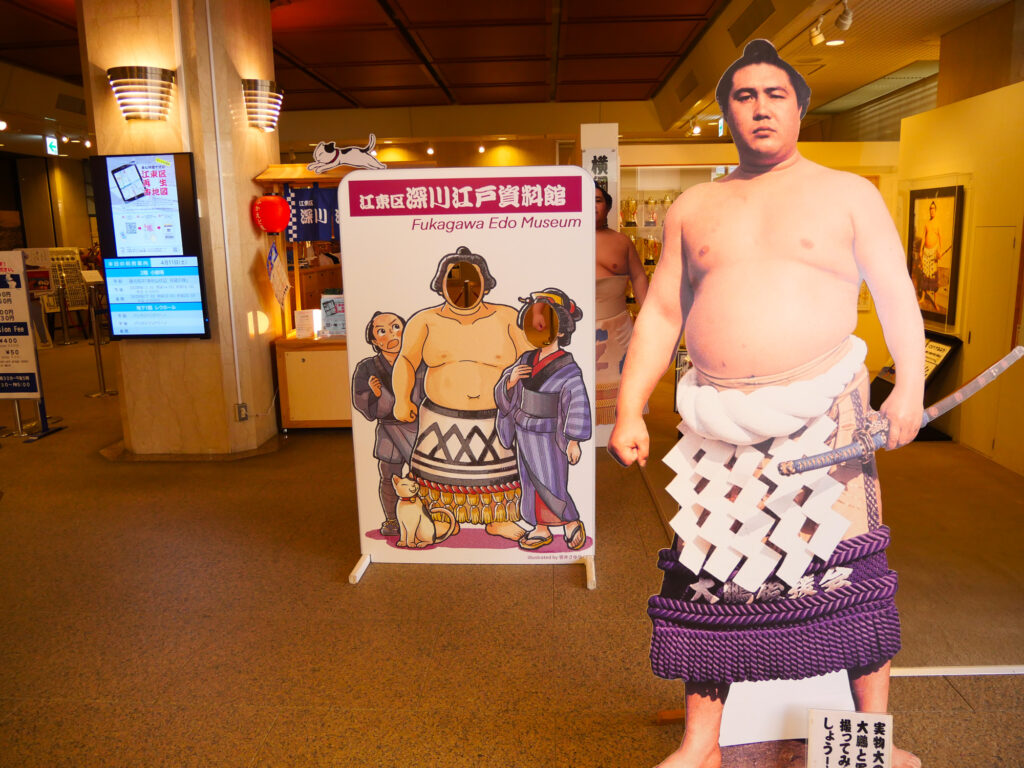
If you’re a sumo fan, this shrine is a stop not to be missed: it’s literally the birthplace of professional sumo. The shrine contains numerous sumo monuments, including the Yokozuna Monument (横綱力士碑) on which is inscribed the name of every single sumo champion from Akashi Shiganosuke to the present.
Near Tomioka is Naritasan Fukagawa Fudō-dō, a Shingon Buddhist temple famous for its public fire rituals held five times daily. Foreign tourists are welcome but you have to access the temple through a special counter and agree to abide by the temple’s rules.
Tomioka Hachiman-gū Address: Tomioka 1-20-3, Kōtō Ward, 〒135-0047
Naritasan Fukagawa Fudō-dō Address: Tomioka 1-17-13, Kōtō Ward, 〒135-0047
Museum of Contemporary Art Tokyo (MOT)
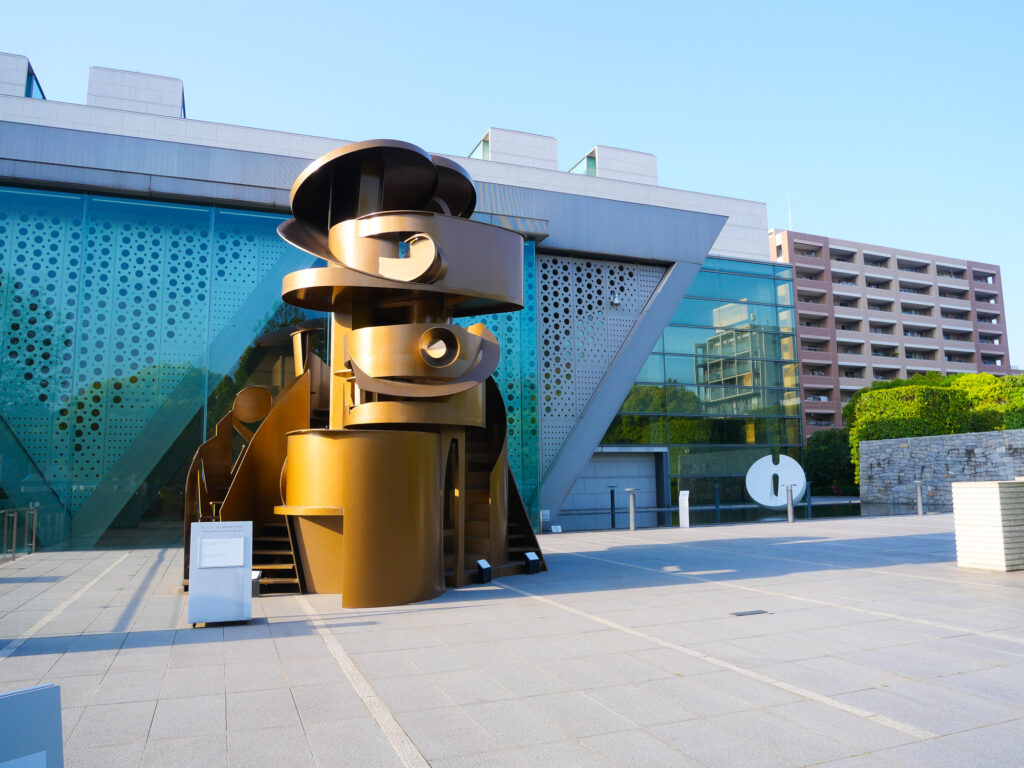
After the lumber yards moved to Shin-Kiba, the Ward filled in the ponds where they used to float logs. Today, that site is the home of the Museum of Contemporary Art Tokyo (MOT), which has been at this location since 1995. In 2016, MOT closed for renovations, reopening in 2019 with refreshed galleries, lobby, a new art library and museum shop, and a restaurant called 100 Spoons. Its over 6,000 works include originals by Kusama Yayoi, Andy Warhol, Yves Klein, Shiraga Kazuo, and many others.
Address: Miyoshi 4-1-1, Kōtō Ward, 〒135-0022
Bashō Memorial Hall
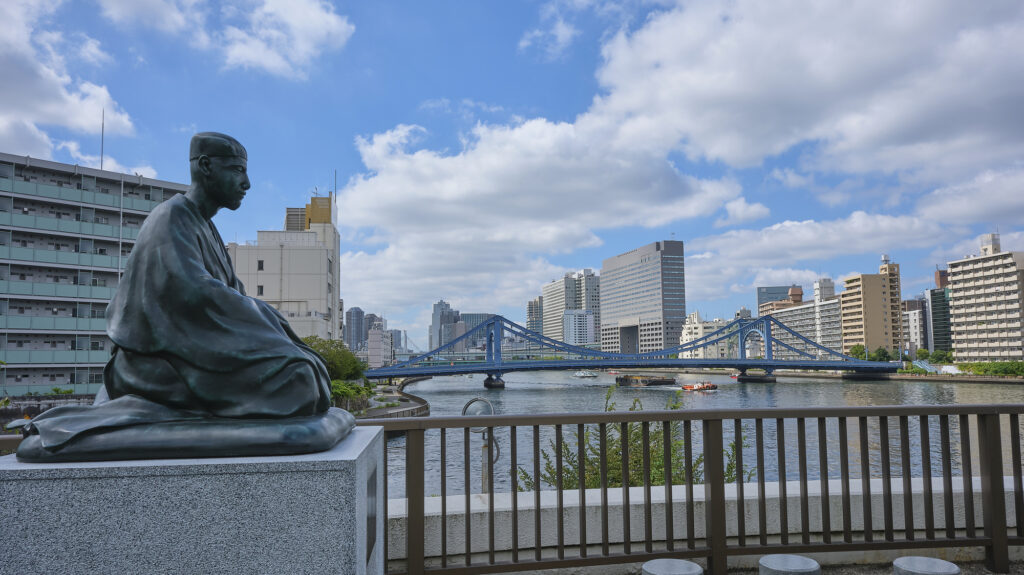
A final bit of history awaits at the Bashō Memorial Hall (芭蕉記念館). The poet Matsuo Bashō moved from Nihonbashi to a thatched hut in Fukagawa in 1680. The location became known as Bashō-an after his students gave him a banana-tree sapling (bashō) that flourished. Today it’s the home of the Memorial Hall, a shrine marking his old hut, and a viewing garden.
Conclusion
I saw an Instagram Reel recently that said Japan doesn’t have an overtourism problem; it has a too many people going to the same places problem. I concur. Even if you never leave Tokyo, you can easily find places a little off the beaten path that contain as much – if not more – history and culture in a single block than the locations most tourists target.
Want help finding more great “unseen” places in Japan? Unseen Japan Tours can help by designing a custom itinerary suited to your interests and serving as your Japanese-fluent guides. Talk to us today→
Keep reading
Sources
清澄白河ガイド GO TOKYO (東京の観光公式サイト)
【2026年最新】清澄白河でおすすめの観光地9選!魅力を味わえる下町を紹介 newt.net
清澄庭園 江東区公式サイト
清澄庭園 – Wikipedia Wikipedia (JP)
深川江戸資料館 — 館の概要 公益財団法人 江東区文化コミュニティ財団
江東区深川江戸資料館 GO TOKYO(東京の観光公式サイト)
東京都現代美術館(MOT)公式サイト 東京都現代美術館
東京都現代美術館がリニューアルオープン。3年の休館経てどこが変わった? CINRA
ブルーボトルコーヒー 日本上陸10周年 Blue Bottle Coffee Japan
サードウェーブ系カフェ3軒に訊く!清澄白河がコーヒーの聖地になったワケ dressing (ぐるなび)
なぜ清澄白河に本格派コーヒーショップが集まるのか Tastemade Japan
芭蕉記念館 公益財団法人 江東区文化コミュニティ財団
富岡八幡宮(公式サイト) 富岡八幡宮
富岡八幡宮 – Wikipedia Wikipedia (JP)
深川エリア 清澄白河駅周辺 — 観光コース 江東おでかけ情報局
リトルトーキョー littletyo.com (公式)
清澄白河に10年住んだ私がおすすめするお店・観光スポット20選 smileatrip (note)
深川(江東区) Wikipedia (JP)
小名木川 Wikipedia (JP)
木場と問屋組合の歴史 東京木材問屋協同組合
辰巳芸者 Wikipedia (JP)
永代橋 Wikipedia (JP)
江東区の地名由来(清澄・白河) 江東区公式サイト
霊巌寺(江東区) Wikipedia (JP)
清澄白河駅 Wikipedia (JP)
大相撲の歴史と深川① 富岡八幡宮と大相撲の石碑(資料館ノート第103号) 深川江戸資料館
清澄(江東区) Wikipedia (JP)
白河(江東区) Wikipedia (JP)