
Sometimes I come across a story from Japan and think, “Where do I even start with this?”
And that, dear reader, is where I find myself today. Because today’s tale lives at the intersection of so many crossroads that it puts the Shibuya Scramble to shame. It’s a story of how Japan’s aversion to drugs, its penchant for shaming people (particularly women) about their weight, and its aversion to individuality have fostered an illegal trade in a medication that’s inhaled like oxygen across the world.
The demand for GLP-1 drugs on the streets of Tokyo
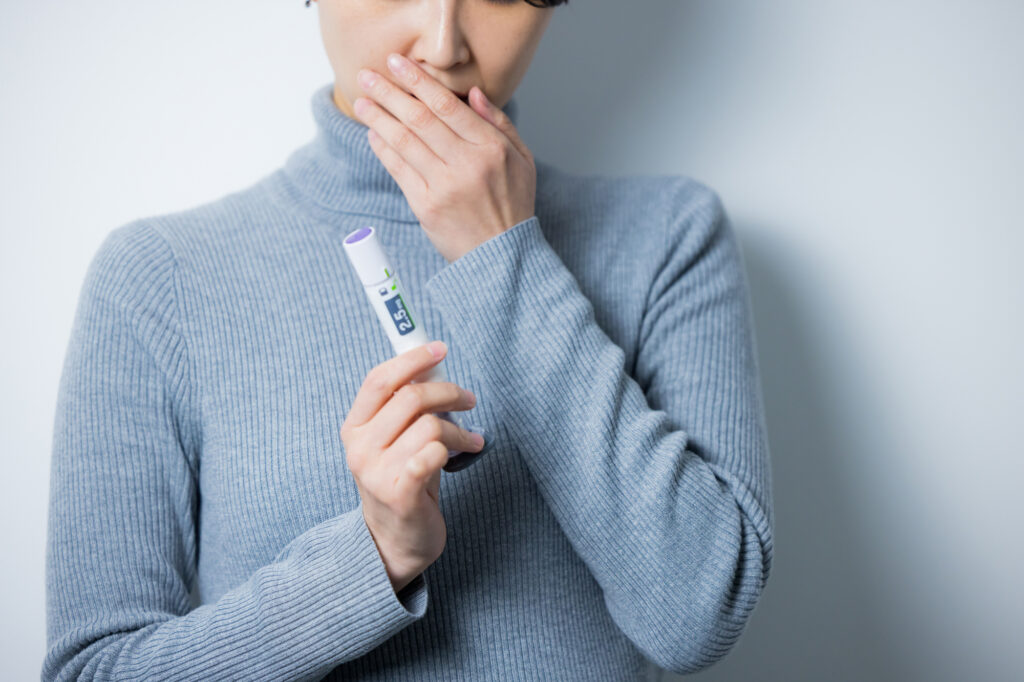
GLP-1 drugs were originally developed to treat diabetes. Then people realized that they lost a crazy amount of weight while taking them. That led to pressure in countries like the US to approve them for weight loss.
Since the introduction of effective modern drugs such as Ozempic, Wegovy, and Mounjaro, the demand for GLP-1s has grown exponentially. J.P. Morgan projects upwards of 30 million Americans will be on GLP-1 treatment by 2030, up from roughly 10 million in 2025.
In Japan, however, things are different. GLP-1 drugs are legally approved as a diabetes treatment. But only Wegovy is approved for weight loss, and the criteria for dispersal are strict. No other GLP-1 is approved for dietary management. (Orlistat, a lipase inhibitor that prevents fats from being metabolized in the body, was also approved in Japan in 2024. By contrast, the US approved the first GLP-1 in 2014.)
That doesn’t stop people from getting – and using – GLP-1 drugs for weight loss. Tabloid magazine FRIDAY reports that the drugs are especially popular in the Toyoko area of Kabukicho, the area in front of the Toho Cinemas building that’s a popular spot for displaced youth.
One teenage “Toyoko kid” told FRIDAY she takes Rybelsus (semaglutide) in tablet form, which she procures off of either Chinese-language apps or from X and TikTok users selling them. The going rate? Around 7,000 yen ($44) for 30 3mg pills.
It’s not the only drug making its way around areas like Toyoko. The area is already known for drug use, particularly of non-prescription OTC medicines such as Mejikon, a cough suppressant containing dextromethorphan. Overdoses are a rampant issue, prompting Japan’s government to launch an ill-fated anti-OD campaign.
As with Mejikon, people in Toyoko say that some teens and young adults are taking too much of the medication in hopes of getting faster results. Some are taking two or more pills a day, the girl above told FRIDAY, causing them in many cases to feel nauseous or even start vomiting.
She also told the paper that some girls are resorting to prostitution to afford the meds. One guy, she said, offered her a two-month supply of Rybelsus (semaglutide) tablets if she went to a hotel with him.
The need to keep a “Cinderella weight”
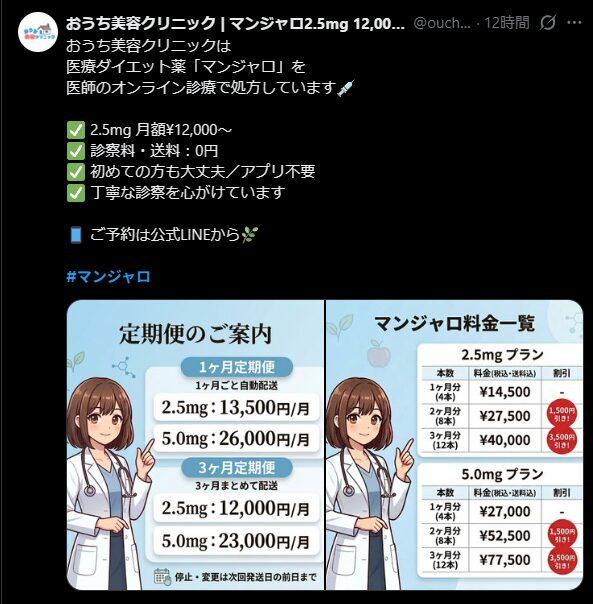
Unapproved use of prescriptions isn’t a new phenomenon in Japan. Online consultations related to “beauty health” have skyrocketed – along with complaints. In 2022 alone, the number of complaints from people who were prescribed diet-related medications without adequate information (e.g., details around their side effects) grew by 4.2 times compared to the previous year.
Recent amendments to Japan’s Medical Care Act were supposed to prevent this. The enhanced regulations instruct physicians to obtain a proper medical history and discourage prescriptions on the first visit.
The law, however, isn’t rigorously enforced. Fly-by-night clinics that will prescribe GLP-1 drugs for weight loss abound online. Many of these drugs then make their way into the black market, where they’re resold at a markup.
One woman in her 30s told Japanese media that a friend referred her to a clinic that prescribed her pills within minutes, after multiple other clinics turned her away. She already weighs 47 kilograms (103lbs.) and has no medical need to lose more.
The popularity of GLP-1 drugs highlights the pressure that people, especially women, face in Japan to stay thin. The concept of “Cinderella Weight” has dominated social media for years, convincing women that they need to lose up to 10 kilograms (22lbs.) above and beyond what’s generally considered a healthy amount of weight loss.
Many people outside of Japan assume that everyone stays relatively thin because the Japanese lifestyle is inherently healthy. The reality is that the country’s chronic thinness has more to do with societal pressure and unrealistic expectations.
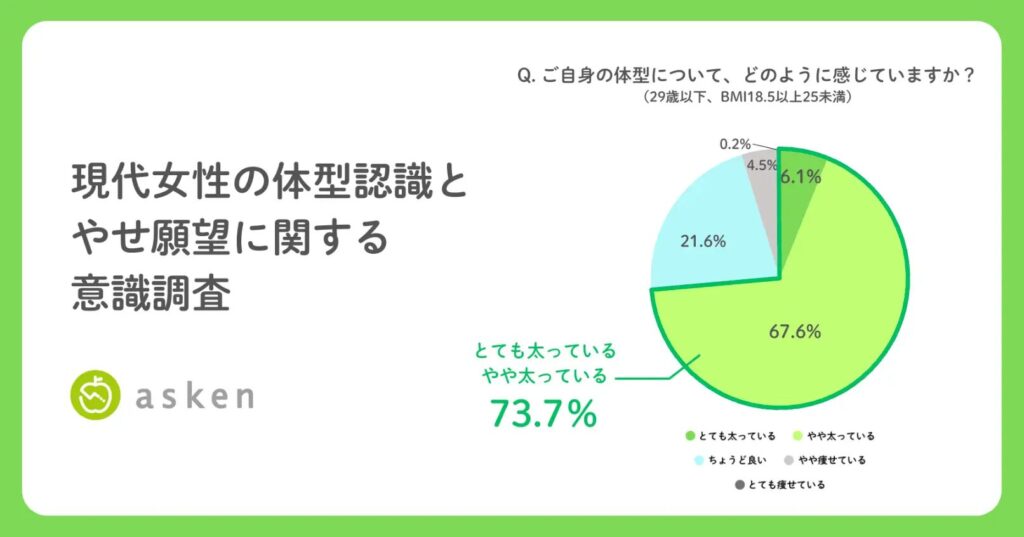
One survey last year by Asken, for example, found that, among nearly 13,000 women, more than 70% of those under 29 and between 30-39 said they felt “very or quite overweight” – even though all of the women in that subgroup had a BMI in the standard healthy range of 18.5 to 25. More than 90% in these groups said they wanted to lose at least a little weight.
In other words, there’s massive demand for anything that will help women in Japan lose weight – and lose it fast. There are also, obviously, plenty of companies willing to profit off of that desire…even if it means bending the law a little to do it.
Keep reading


Sources
How demand for (and supply of) weight loss drugs is playing out in 2026. J.P. Morgan
【新宿歌舞伎町の闇】「オンライン診療」を悪用か…若い女性たちの間で痩せ薬の「違法取引」が大流行 FRIDAY Digital
【現代女性の体型認識とやせ願望に関する意識調査】「標準体重」の若年女性の7割以上が自身の体型を「太っている」と回答 Asken via PRTimes
痩身目的等のオンライン診療トラブル―ダイエット目的で数か月分の糖尿病治療薬が処方される「定期購入トラブル」が目立ちます 国民生活センター
自宅で完結?手軽に痩せられる?痩身をうたうオンライン美容医療にご注意!―糖尿病治療薬を痩身目的で消費者に自己注射させるケースがみられます 国民生活センター
オンライン診療について 厚生労働省
GLP-1受容体作動薬のやせ薬使用「禁止すべき」日医 m3.com
中国系SNSで「闇転売」される日本の処方薬。薬局や病院から横流しの実態 女子SPA!
「トー横」周辺の補導747人、5年で10倍 警視庁などが一斉対策 朝日新聞 (via Yahoo!ニュース)
グリ下、トー横で横行…オーバードーズから若者を守るには 「処方薬」と「市販薬」に必要な規制を考える 東京新聞デジタル
新宿・歌舞伎町に集まる「トー横キッズ」のODの現状 厚生労働省 (日本駆け込み寺資料)
ダイエット目的で「糖尿病治療薬を処方」 “オンライン診療”でトラブル増加 国民生活センターが注意喚起 弁護士JPニュース