
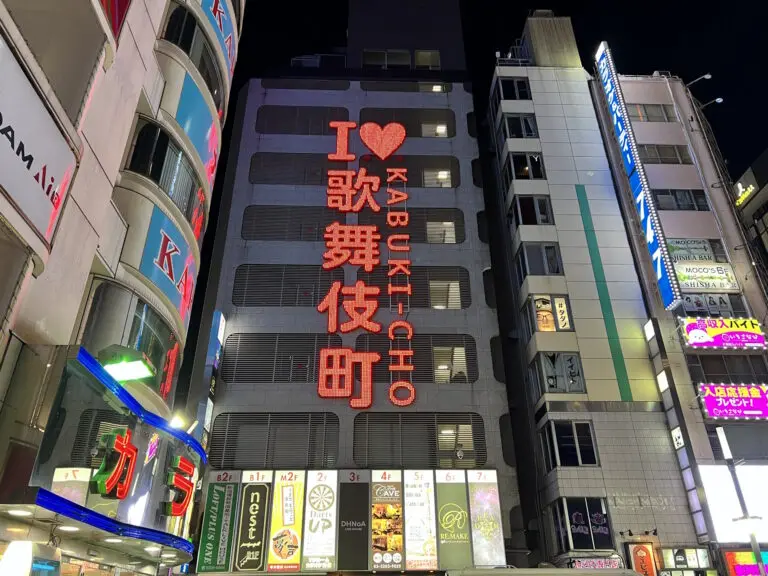
Whenever I see a tourist family with kids walking out of a Kabukicho hotel, I wonder: What were they thinking?
Don’t get me wrong. I love the grimy little cesspool of sin. But a family-friendly amusement park it ain’t. One could argue that it’s entered a new era of family unfriendliness. Between illegal touts, scouts, and street prostitution, the area’s as wild as it’s ever been.
But perhaps that could change. Japanese media say an unannounced cleanup is underway, with touts and scouts reporting “daily” roundups. Some commenters are comparing it to a similar 2004 “purge” when Tokyo’s governor vowed to clean up the area. But will it actually change anything?
Touts and scouts in the crosshairs
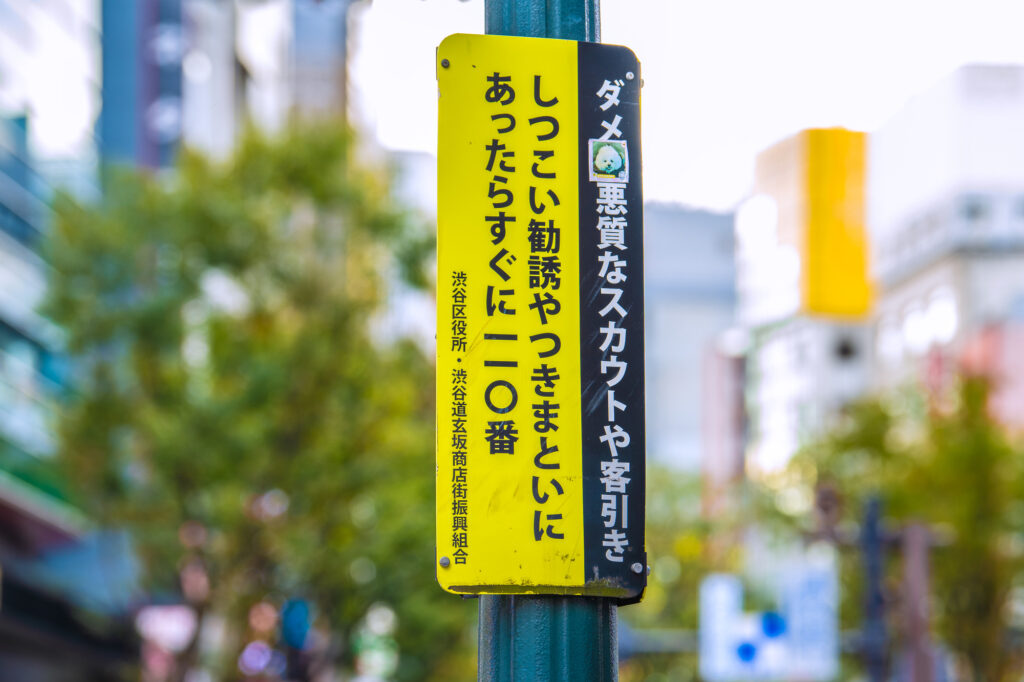
The crackdown is primarily targeting two groups. One are the “catch” (キャッチ) – barkers, or touts, who engage in 客引き (kyaku-hiki), or pulling customers into an izakaya, soapland sex shop, or host club. Some touts will chase down customers and literally drag them into stores, making them feel like their personal safety is in jeopardy. Many of the establishments that use this tactic are shady or outright illegal, hitting customers with hidden door charges and upsells.
The second group are the scouts. Scouts primarily target young women for sex work. While some are recruited for legal work at soaplands or “delivery health” sexual services, many are recruited into outright prostitution, both domestic and overseas. With the uptick of women landing in huge debt thanks to host clubs, scouts have no lack of victims for their trade.
Both touting and scouting are illegal. However, with workers earning commissions up to 30% for the people they bring in, it’s lucrative enough that many take the risk.
While Tokyo police have tamped down on tout and scout activity on the main drag areas of Kabukicho such as Toyoko, many still ply their trade on the neighborhood’s network of side streets. Groups are often run by criminal organizations, such as the yakuza or the tokuryū, anonymous crime groups like Natural that coordinate through social media and encrypted messaging apps.
Recently, several touts and scouts told the Japanese tabloid FRIDAY that they’re seeing a “quiet crackdown,” with police making sweeps and arrests every night.
“Two or three people are being arrested every day,” said one source that the publication named A.
The crackdown appears primarily aimed at the child organization of a yakuza group, Sumiyoshi-kai’s Kohei-ikka (住吉会幸平一家). For the first time ever, the Metropolitan Police Department created a Special Countermeasures Headquarters aimed at a specific child of a parent crime organization.
An organized crime group makes for an easy target. But busting Kabukicho’s tokuryū is often a lot harder. In 2024, police arrested roughly 10,000 tokuryū-linked criminals. However, only 10% of those were operational masterminds. Most were underlings recruited via 闇バイト (yami-baito; dark-side part-time jobs) ads on social media.
Tonight we’re gonna stop partying like it’s 2004
This isn’t the first time someone has vowed to make Kabukicho a little less disreputable.
Shinjuku has been a pain in authorities’ side since it rose from the ashes of World War II as Tokyo’s premier sex-and-liquor spot. Besides being a flash point for gang violence in the 80s, the area has also gone through periods of increased public scrutiny and legal crackdown. (If you don’t believe me, check out the “No-Panties Shabu-Shabu” period of infamy.)
In 2004, Tokyo governor Ishihara Shintarō brought in former Hiroshima Prefectural Police chief Takehana Yutaka to clean up Shinjuku’s dirtiest little non-secret. The pair engaged in a “Kabukicho Cleansing Operation” (歌舞伎町浄化作戦) based on the theory of “broken windows policing.” The idea is that cracking down on minor crimes decreases major crimes by fostering an atmosphere of order.
As part of these changes, in 2005, Japan made barkering outright illegal. The initiative also installed security cameras, tightened ordinances, and shut down nearly 200 sex businesses. They also arrested over 1,000 foreign residents. (Most touts are foreign workers from Nigeria.)
In the end, Kabukicho never changes
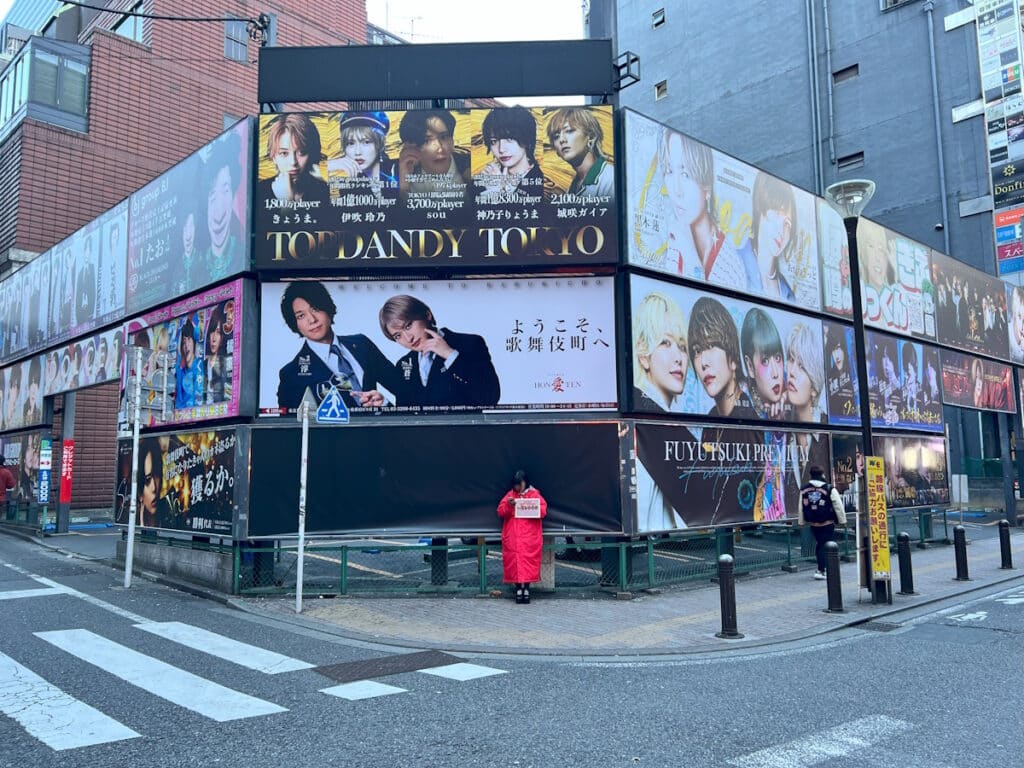
MPD’s approach to the current crackdown is aimed squarely at one of the area’s largest scout groups. The goal is to cut off Kabukicho’s illegal sex scene at its source as opposed to targeting sex workers themselves, who are often seen by the public as the victims of Kabukicho as opposed to perpetrators.
Why now? The obvious answer is tourism. With Japan seeing over 40 million visitors a year, Kabukicho is flooded with tourists. While many go to Kabukicho specifically because they’re drawn to the area’s seedy side, the activity of touts in particular could damage Japan’s reputation in the long term as a nation of law and order. Stories have already existed for years of foreign visitors losing thousands of dollars after visiting a bar or brothel that a tout (sometimes literally) dragged them into.
Of course, the fact that there’s a “Second Cleansing” makes it clear the “First Cleansing” didn’t work. Veterans and Kabukicho experts say it’s always been so. When I interviewed Sasaki Chiwawa last year about the crackdown on host clubs, she said something very similar: no matter how authorities try to regulate Kabukicho, it always manages to adapt and change.
This cleansing, in other words, isn’t likely to shrink the total trade. It’ll just change who profits.
Keep reading


Sources
「浄化作戦」再び!?歌舞伎町で毎日のように行われている「静かな摘発」とは? FRIDAY Digital
「トクリュウ壊滅に追い込む」警視庁に対策本部と特別捜査課が発足 警察庁には「匿流情報分析室」新設も 東京新聞デジタル
住吉会幸平一家、取り締まり強化へ 特殊詐欺など関与、対策本部設置―警視庁 時事ドットコム
住吉会幸平一家の対策強化へ 筒井総監「壊滅を」―警視庁 時事ドットコム
住吉会系の暴力団「幸平一家」の特別対策本部を強化 警視庁 NHKニュース
石原知事肝いり「環境浄化作戦」から20年…新宿・歌舞伎町のいま 警視庁が情報収集する「メンコン」トラブル デイリー新潮
「大久保公園」が海外のSNSで話題に…買春旅行の外国人が来るようになり「客待ち」摘発は前年から倍増した 東京新聞デジタル
【歌舞伎町ルポ】「収入は半減」「3分の2が路上から消えた…」それでも現役スカウトマンたちが「俺たちの仕事はなくならない」と断言する理由 現代ビジネス
第4項 匿名・流動型犯罪グループの動向と警察の取組(令和5年警察白書) 警察庁
歌舞伎町の大久保公園はいつ「売春の聖地」になったのか “日本人お断りの売春旅館”と、路上に立つ女性たちの「奇妙な関係」 文春オンライン
ナチュラル (スカウトグループ) Wikipedia (Japanese)