
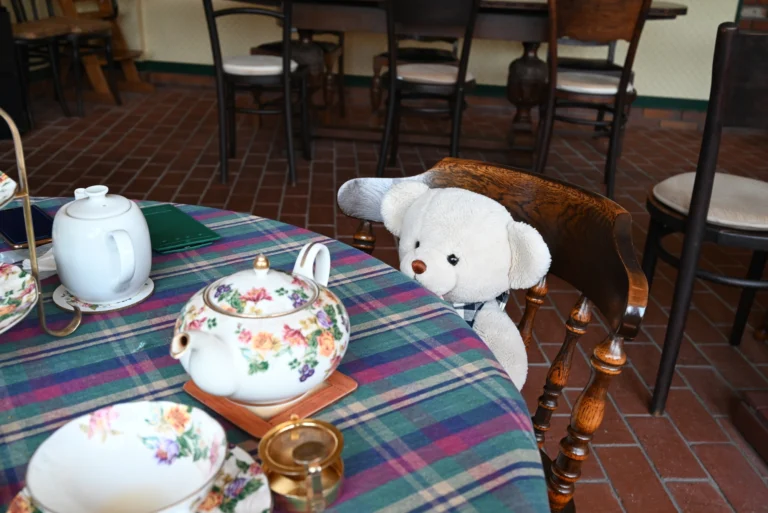
Nuikatsu (ぬい活), i.e., the growing practice of dressing up and photographing plush toys, has gone from a niche hobby into a full-blown trend in Japan.
At its core, it’s simple: people collect, dress up, carry, and take pictures of their favorite toys. But in 2026, it’s much more than just that. It’s a multi-billion-yen market, a social media aesthetic, and now, out of nowhere, a national debate about table manners.
The appeal of nuikatsu and how it got so popular
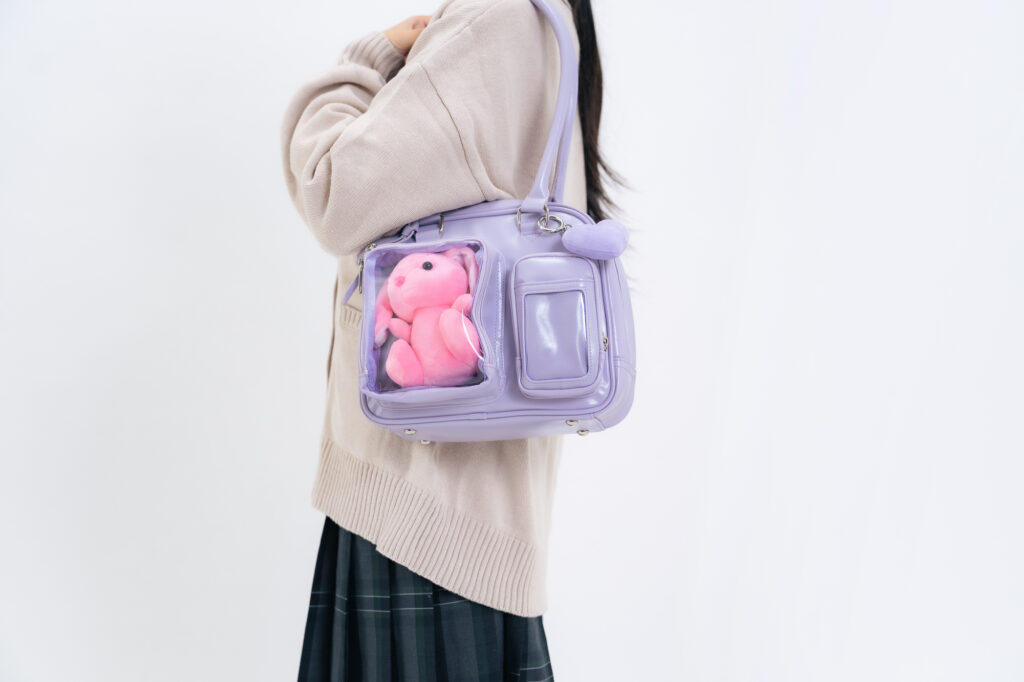
While some might dismiss nuikatsu as just adults and teens playing with dolls, it’s a bit more than that. On the surface, it’s a way to participate in the fandom of whatever show or manga they’re buying toys from. It’s also part of a broader culture called oshikatsu (推し活), which refers to the way fans dedicate time, money, and/or energy to a favorite idol or franchise.
But more than that, the toys serve as a kind of alter ego or bunshin (分身) that they can take pictures of instead of snapping a selfie. This way, fans can photograph their stuffed companions enjoying coffee, ramen, or a popular travel destination. This practice is called nui-dori (ぬい撮り), and it makes it easy to post on social media and spread the love of their favorite character or show while maintaining privacy.
Originally, this was popular mostly with Gen Z. However, now people in their 20s and up to their 60s and older enjoy it, though the exact reason may vary. For some, plushies offer emotional comfort; some even say it feels like carrying a lucky charm. For others, they’re a fashion accessory. And for still others, they’re a cute and creative way to communicate their interests online.
No matter the reason, it’s a very capitalistic hobby. According to market research, the plush toy and nuikatsu-related market has reached around ¥45 billion (USD $282 million), and it doesn’t show any signs of slowing.
Controversy over breaches of etiquette
However, earlier this month, a couple of small but viral incidents pushed nuikatsu into the spotlight for a different reason: etiquette.
The first bit of friction came from a British-style pub called Old Arrow in Tokyo. On May 2, the pub posted on X asking customers not to place plushies or goods on dining tables. The reasoning was practical: staff couldn’t take responsibility if items were damaged, and crowded tables made service harder, especially during busy hours.
The post quickly drew backlash from nuikatsu fans, prompting the owner to delete it. They emphasized that they weren’t attacking the hobby itself, but highlighting issues like space, safety, and photography being prioritized over dining.
Shortly after, a ramen shop in Mito, Ibaraki, took things further by banning Chiikawa plushies altogether. (Chiikawa, for those who don’t know, is a very popular comic/cartoon depicting chibi-style animals.) The trigger was a customer who continued playing with and photographing a plush at the table even after finishing their meal, while other customers were waiting.
Question: do you like UJ's independent coverage of Japan? Our writers are supported by our members. Join Unseen Japan Insider to get bonus content every week, an ad-free website, and access to our large and growing Insider archive.We manage to keep most of our content free thanks to the generosity of our members. Join Unseen Japan Insider and you'll get access to new, exclusive UJ member content weekly, an ad-free website, and access to our large and growing Insider archive.
Main causes for concern are hygiene, space, and privacy
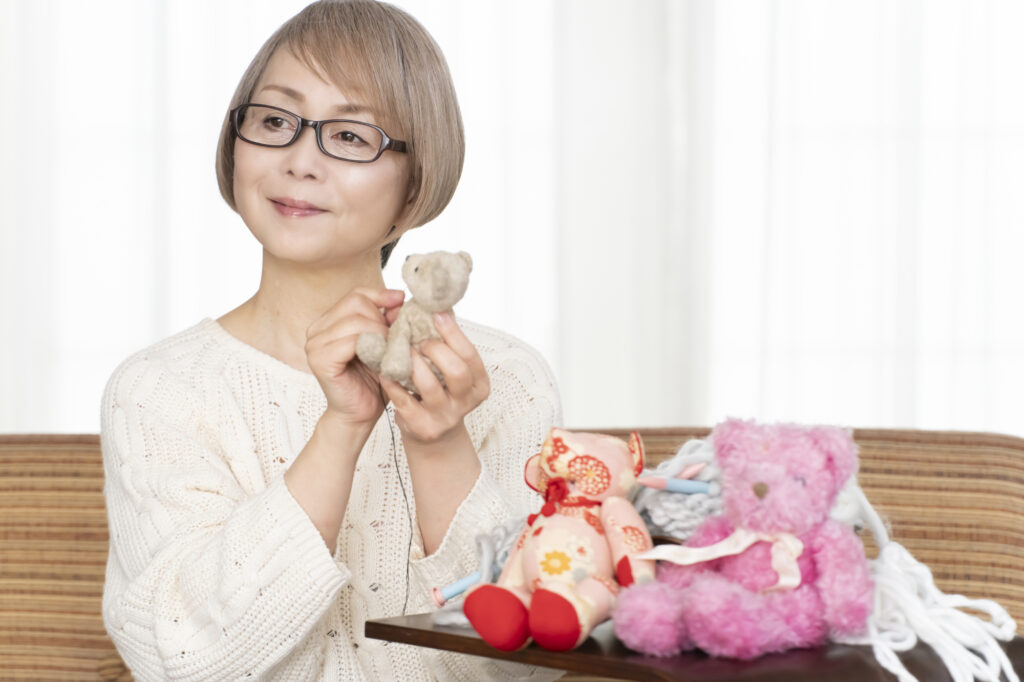
In looking through the posts people have made online, three major criticisms come up fairly often.
The first is hygiene. People often carry plushies outdoors, place them in bags, and may even set them on the ground. Putting those same plushies on tables where food is served crosses a line for many people.
The second is space; specifically, a restaurant’s space and its need to turn tables. Those who know anything about the restaurant industry know that many restaurants have a small profit margin, and opening up space for incoming customers at a decent pace is critical. This is especially true for smaller restaurants that don’t have a lot of seating to begin with. Lining up plushies for photos and staying for extended periods without buying more is discourteous to other guests and makes it hard for the restaurant to run.
Finally, there’s the issue of privacy. Nui-dori photos sometimes capture other diners or staff in the background, which raises concerns about consent when those images get posted online.
There are also those who flat-out find nuikatsu childish, or say that people who play with dolls in public have no social sense. It’s a clear sign that despite the hobby’s popularity, it has a lot of social stigma attached to it.
Backlash to the backlash: a ringing defense of nuikatsu culture
Most of the response online has been in defense of nuikatsu while criticizing, specifically, the table-hogging behavior. User yanagi_white pointed out, “… Nuikatsu isn’t the issue. The issue is people who keep playing after they’ve finished eating. Hogging a table to play with a plushie isn’t ‘nuikatsu,’ is it?”
This is a sentiment shared by many others on X, who say it’s fun or harmless, and that people can do it if they want. User @W70Seinmph7p1Uy said, “About 30 years ago I did a summer resort job in Nagano. A party of three booked a table during peak season, and one of the three was a teddy bear. We poured it water, portioned out its food… quite a lot of work, lol. Good memory.”
Some have also pointed out that plushies are being singled out unfairly. In terms of hygiene, for example, people are always bringing things with them to restaurants, whether phones, cameras, or laptops, without double-checking for cleanliness.
Of course, it’s not just about plush toys. Like with other forms of oshikatsu, it’s about fandom-related hobbies navigating shared public spaces. From bags covered in character merch to reseller-driven goods frenzies, Japan has repeatedly seen subcultures move into the mainstream and collide with everyday norms. Nuikatsu is simply the latest version of that pattern.
Nuikatsu isn’t going anywhere. If anything, its growth suggests it will become an even more visible part of Japan’s cultural landscape. The real question isn’t whether people should bring plushies to the table, but how this personal, joy-driven hobby adapts.
Keep reading

Sources
ラーメン店で「ちいかわ」出禁 飲食店で広がる「ぬい活」の問題点は Yahoo!ニュース エキスパート(山路力也)
「テーブルに人形やグッズ置かないで」都内人気パブが店内での“ぬい活禁止”をお願い→一部愛好者から反発で炎上…店主が明かした「真意」 女性自身(Yahoo!ニュース)
東京都内の人気パブ SNS上で「ぬい活禁止」と発信したら…波紋呼ぶ ライブドアニュース
「ぬい活」市場が拡大する理由──450億円規模に成長した新消費トレンド ダイヤモンド・ビジョナリー
「ちいかわ入店禁止」ラーメン店投稿が話題 “ぬい活マナー”巡り議論広がる coki(公器)
「ご飲食されるテーブルの上に人形やグッズを置かないようお願いします」ある飲食店のアナウンスに同情集まる Togetter
ぬいぐるみは「推しの分身」になった──Z世代が生み出す450億円の新消費文化 Note