
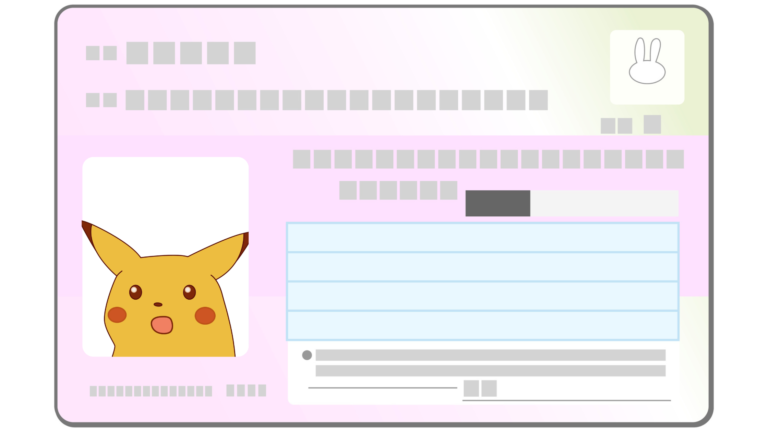
Scalpers are becoming a big problem in Japan, with people buying up trademark items like Pokémon cards and selling them at triple or more their cost. To combat it, the Pokémon Company has come up with a new strategy: have buyers verify their identity using a My Number card.
However, tying a national digital ID into everyday consumer life is a much bigger proposal than it sounds. Though it lessens the risk of scalpers, this sort of workaround has started to expose some uncomfortable social fault lines in the government’s push for a national ID.
Incorporating national ID verification to stop scalpers
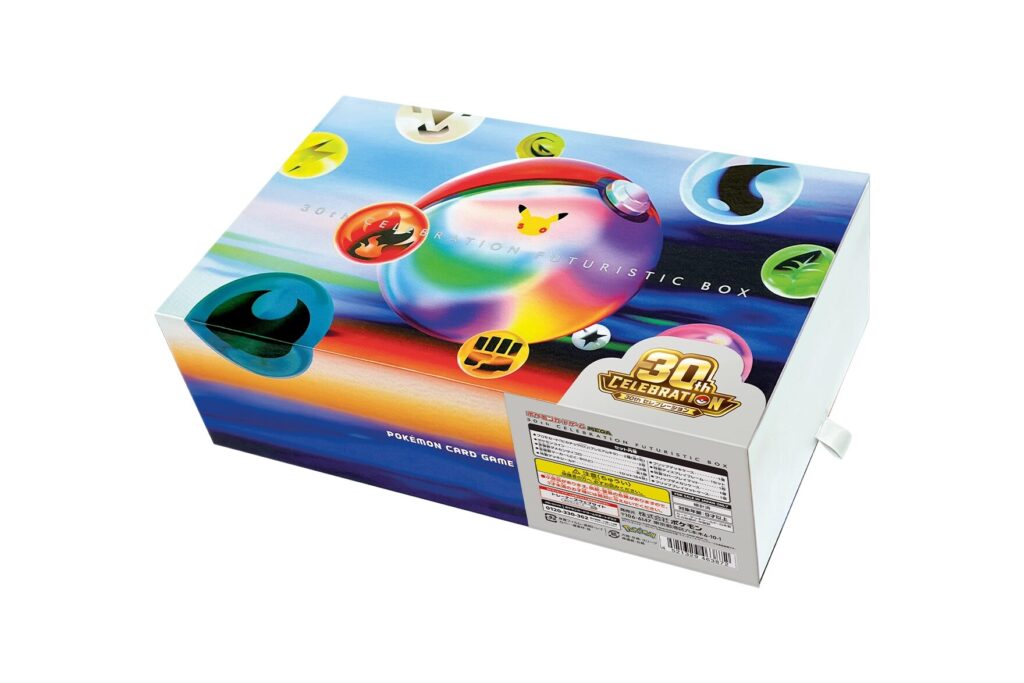
The Pokémon Card Game’s 30th anniversary is coming up, so naturally that means rolling out some special edition products. In preparation of this, the Pokémon Company announced, first on May 21, and then in more detail on June 8, that buyers entering the lottery for these products will have the option to verify their identity using a My Number card.
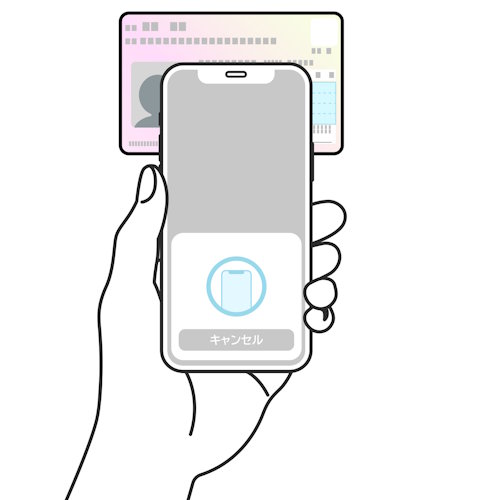
The mechanics are fairly straightforward. Users scan their My Number card using a smartphone, which reads the IC chip and confirms identity through an external cloud service. This links to their Players Club account and proves that they’re a real, unique buyer. The Players Club account also won’t store the national ID number itself.
Importantly, verification isn’t mandatory. Anyone can enter the lottery. However, most of the winning slots will be reserved for verified users.
In practice, that makes My Number authentication less of a requirement and more of a strong advantage. If you want a real shot at products like the ¥7,200 (USD $45) “30th CELEBRATION” box or the ¥27,500 (USD $170) “FUTURISTIC BOX,” verification could make all the difference.
From a business standpoint, it’s a logical step. Pokémon cards have become a hot commodity, with resale prices surging and reports of bulk-buying and even tournament-related misconduct. Limiting purchases to verified individuals helps restore what the company calls a “fair opportunity for all customers.”
My Number: from an optional convenience to a government mandate
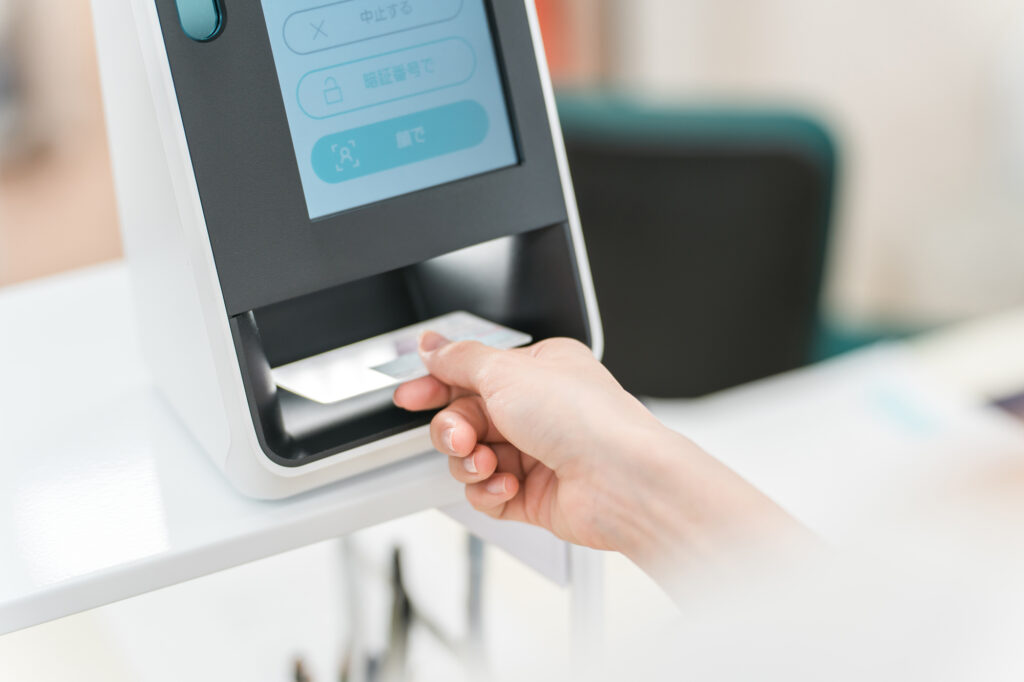
The real story isn’t about Pokémon cards, but Japan’s My Number System. It has been struggling with public trust ever since the Japanese government first introduced it in 2016.
It was originally posed as an optional system designed to make administrative tasks like paying taxes easier. But in five years, only 40% or so of people opted into the system. The government even started to offer cash incentives to get people to sign up.
However, 2023 came with some pretty serious mistakes in the My Number System. There were confirmed cases of mismatched medical records and the issuance of incorrect documents. It’s only been three years since then, so naturally, most don’t fully trust the system.
So, people were decidedly not happy when, only one year after all those mishaps, the government said they would have to start using the My Number card in place of the national health insurance card. This felt like a slap in the face. The government had once insisted it was optional, but now many had to get a My Number card.
Forcing My Number into everyday use
The government’s messaging also started to feel contradictory. My Number is a national ID, similar to social security numbers in the U.S., and should be carefully guarded to prevent identity theft. However, telling people they need to bring it with them whenever they go to a doctor’s appointment is hardly secure.
Asking people to use My Number to buy something as mundane as trading cards is an even further leap in that direction. At the same time, it’s not a government mandate this time. It’s a private company choosing to integrate My Number into a product launch. The company even posted a link to the official My Number online application on its initial May 21st announcement, saying you could apply today and likely get your ID card by the time the products launched.
Pokémon is a beloved franchise, and its card game is ridiculously popular. It wouldn’t be surprising if this did a lot more to normalize My Number IDs than anything the government ever did.
Question: do you like UJ's independent coverage of Japan? Our writers are supported by our members. Join Unseen Japan Insider to get bonus content every week, an ad-free website, and access to our large and growing Insider archive.We manage to keep most of our content free thanks to the generosity of our members. Join Unseen Japan Insider and you'll get access to new, exclusive UJ member content weekly, an ad-free website, and access to our large and growing Insider archive.
Public reaction to Pokémon’s My Number verification proposal
On X, this news has most people supporting the anti-scalping measure. Frustration with resellers is widespread, and many see identity verification as a reasonable fit. Some even suggested that Mercari’s digital marketplace should adopt ID verification, too, since a lot of scalpers sell there.
However, the most-liked comment, and a noticeable cluster of replies, took the conversation in a different direction. Instead of focusing on scalpers specifically, some commenters framed the issue in terms of nationality. These comments suggested that foreign buyers were the main problem. This included explicit anti-Chinese and anti-Vietnamese sentiment, as well as calls to restrict access to “purely Japanese” customers. (All this despite the drop in immigrant crime.)
As rightly pointed out by some X users, foreign residents in Japan can get My Number cards as well. The Pokémon Company’s verification system is not an ethnic filter, and was never intended to be. It’s all about making sure that scalpers don’t create multiple fake accounts to beat the lottery system.
Still, the fact that such reactions surfaced so quickly shows how easily a technical policy can get tangled up in broader social tensions.
How digital IDs and consumerism fit around daily life
In the end, The Pokémon Company set out to solve a practical problem: how to get cards into the hands of actual fans instead of resellers. In doing so, it unintentionally highlighted two ongoing shifts in Japan: one toward embedding digital ID into daily life, and another revealing how quickly conversations about fairness can slide into questions of who belongs.
The cards themselves won’t launch until September or October 2026, and the company still hasn’t announced some key details, like rules for minors. But the debate has already started, and it’s about much more than a simple card game.
Keep reading


Sources
【重要】30周年記念商品におけるマイナンバーカードを使用した本人確認システムの活用について ポケモンカードゲーム公式ホームページ
ポケカ30周年記念商品の抽選販売でマイナカード活用の本人確認 当選数の大半は「本人確認済みの方」に ITmedia NEWS
『ポケカ』30周年記念商品、抽選販売にマイナンバーカードでの本人確認が導入 KAI-YOU
ポケカ30周年商品、マイナンバーカード使用の本人確認システム活用 ポケセンオンラインで対象商品発表 ORICON NEWS
『ポケモンカードゲーム』30周年記念商品、マイナンバーカードによる本人確認システムを活用へ 電ファミニコゲーマー
【重要】ポケモンカードゲームの商品販売・イベントにおけるマイナンバーカードを使用した本人確認システムの導入について ポケモンカードゲーム公式ホームページ