
Japan is home to a variety of services that allow people to hire someone to act on their behalf. While these businesses may seem unusual from an international perspective, they reflect deeper aspects of Japanese society, including cultural attitudes toward relationships, social expectations, an aging population, and increasing social isolation.
Many of these uniquely Japanese innovative trends have been featured on various media and are gaining attention from a global audience. Here, we explore five particularly fascinating examples and the social factors that have helped them gain popularity.
This is a sponsored post.
1. Ossan Rental
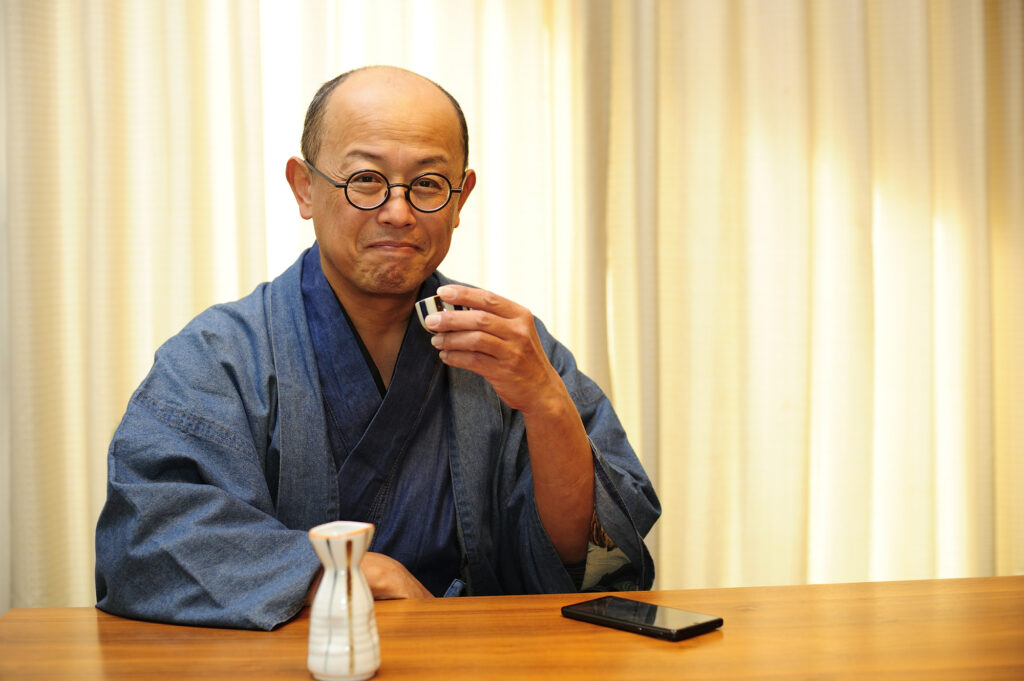
Ossan Rental is a service that allows customers to hire middle-aged men by the hour. Users can share a meal, have a drink, seek life advice, or simply spend time talking with one of the registered “ossans.” Some people even hire them as sounding boards for work-related concerns or to accompany them to places they would rather not visit alone.
At first glance, the concept may seem unusual, but it reflects a growing issue in Japanese society: social isolation. In recent years, the number of single-person households has increased, while traditional community ties have weakened. Although social media and messaging apps make it easier than ever to stay connected, many people still feel they lack someone they can speak to openly.
In some cases, it may be easier to share personal concerns with a neutral third party than with family or close friends. The appeal of Ossan Rental lies in this balance; it offers a listening ear without the formality of professional counseling or the emotional closeness of personal relationships. The service reflects a growing desire for meaningful human connection in modern Japan.
2. Wedding and Family Proxy Services
Japan is also home to family proxy services, where professional actors are hired to play the role of family members, friends, colleagues, or other acquaintances. One of the most common uses is for weddings, where stand-in guests may attend as friends or relatives when a client has a small social circle or complicated family circumstances.
These services are also used in other situations, with actors taking on roles such as romantic partners, supervisors, or business associates.
One reason these services exist is the importance of social perception in Japanese culture. Major life events often carry an expectation of presenting oneself positively to others. However, appearances are not the only motivation. Some clients may be dealing with divorce, estranged family relationships, or relocation away from their hometowns.
For them, these services can help important occasions proceed smoothly and comfortably. They also reflect the increasing diversity and complexity of modern relationships in Japan.
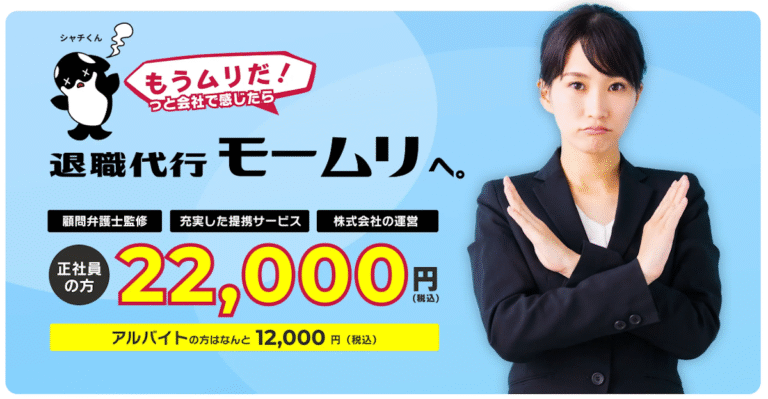
3. Resignation Proxy Services
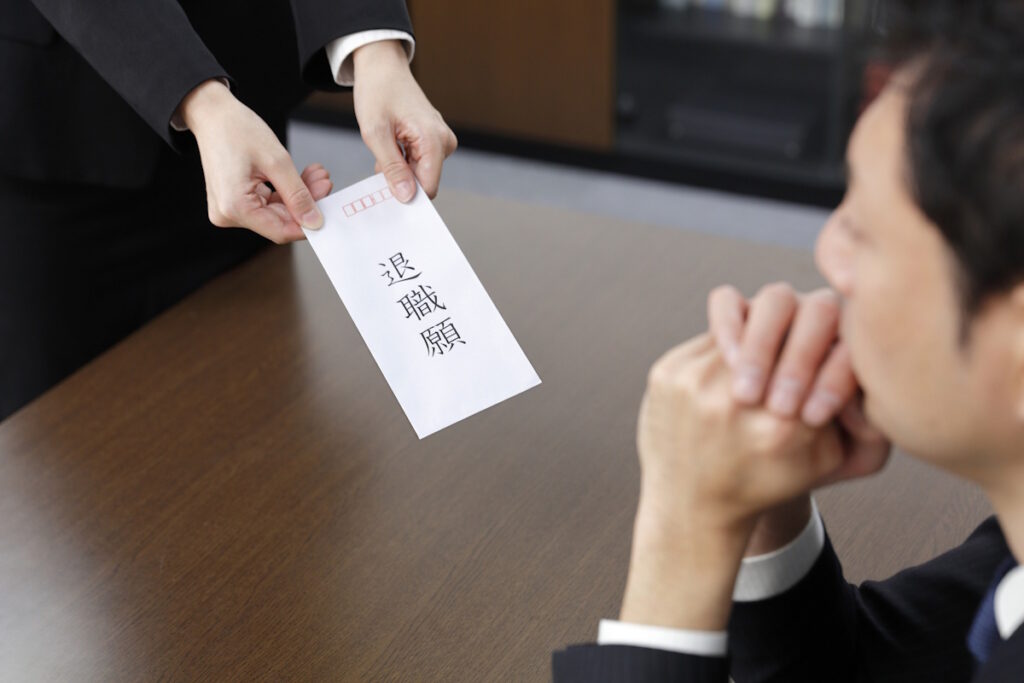
One service that has gained significant attention in recent years is the resignation proxy service. These companies notify an employee’s workplace of their intention to resign and often assist with the resignation process itself.
Outside Japan, some may wonder why people do not simply resign on their own. However, workplace relationships and organizational hierarchy often play an important role in Japanese corporate culture. In some environments, informing a manager of one’s intention to leave can be a highly stressful experience.
There have been cases in which employees report being pressured to stay, persuaded to reconsider, or facing difficulties when attempting to resign.
Although attitudes toward careers and job changes have become more flexible in recent years, workplace culture has not always evolved at the same pace. Resignation proxy services highlight the gap between changing personal values and more traditional workplace expectations.
4. Apology Proxy Services
Another uniquely Japanese service is the apology proxy service, in which a professional representative apologizes on behalf of a client. These services are used in a variety of situations, including workplace disputes, relationship problems, and conflicts between neighbors.
In Japan, apologies often play an important role in repairing relationships. Public apologies by business leaders following corporate scandals are a familiar sight, reflecting the cultural importance placed on demonstrating sincerity and taking responsibility.
At the same time, some people find direct confrontation extremely stressful, particularly when emotions are running high. In such cases, a third-party representative can help facilitate communication and reduce tensions.
Rather than simply offering convenience, apology proxy services reflect a broader cultural preference for maintaining harmony and avoiding unnecessary conflict whenever possible.
5. Grave Visiting Proxy Services
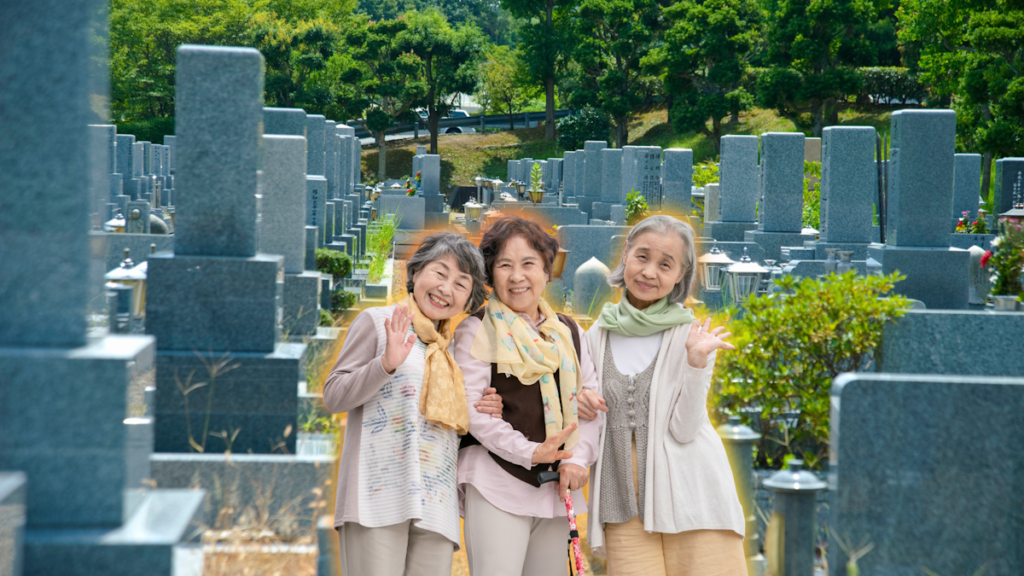
A grave visiting proxy service allows someone to visit a family grave on behalf of a client. The service typically includes cleaning the site, placing flowers, offering incense, and providing photographic updates afterward.
Many users live far from their family graves, are elderly, or reside overseas. In the past, it was common for multiple generations of a family to remain in the same region and care for ancestral graves together. Today, however, education and employment opportunities have led many people to relocate to major cities, often far from their hometowns.
Respect for ancestors remains an important part of Japanese culture, creating demand among those who wish to maintain family traditions but cannot visit regularly. As a result, grave-visiting proxy services have emerged as a practical solution.
These services reflect broader challenges facing Japan, including population decline, rural depopulation, an aging society, and changing lifestyles. At the same time, they offer a new way to preserve traditional customs in a rapidly changing world.
Conclusion
At first glance, these five services may appear to be unusual business ideas. However, a closer look reveals how deeply they are connected to contemporary Japanese society. Cultural values such as avoiding inconvenience to others and maintaining social harmony, combined with issues such as social isolation, population aging, and changing work styles, have all contributed to the growth of these services.
Japan continues to develop innovative responses to social change, and these services offer a fascinating glimpse into the values, challenges, and evolving lifestyles that shape modern Japanese society.