
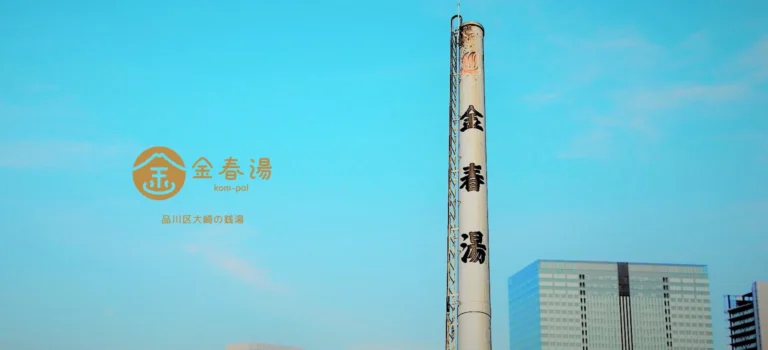
For decades, Japan’s neighborhood sento (銭湯), i.e., public bathhouses, have been quietly disappearing. In 1968, the country had nearly 18,000, but that number had fallen to around 1,500 by 2025. That’s a decline of 91%.
It would be easy to look at those numbers and conclude that sento are little more than a nostalgic relic. However, a handful of bathhouses are doing their best to prove that sento don’t have to disappear entirely. They do this not by rebranding as a tourist attraction, but by finding new ways to stay relevant to locals.
One of the best examples of this is kom-pal (Konparu-yu) in Tokyo’s Shinagawa Ward.
Revitalizing business with tech and logistics: thinking like an engineer
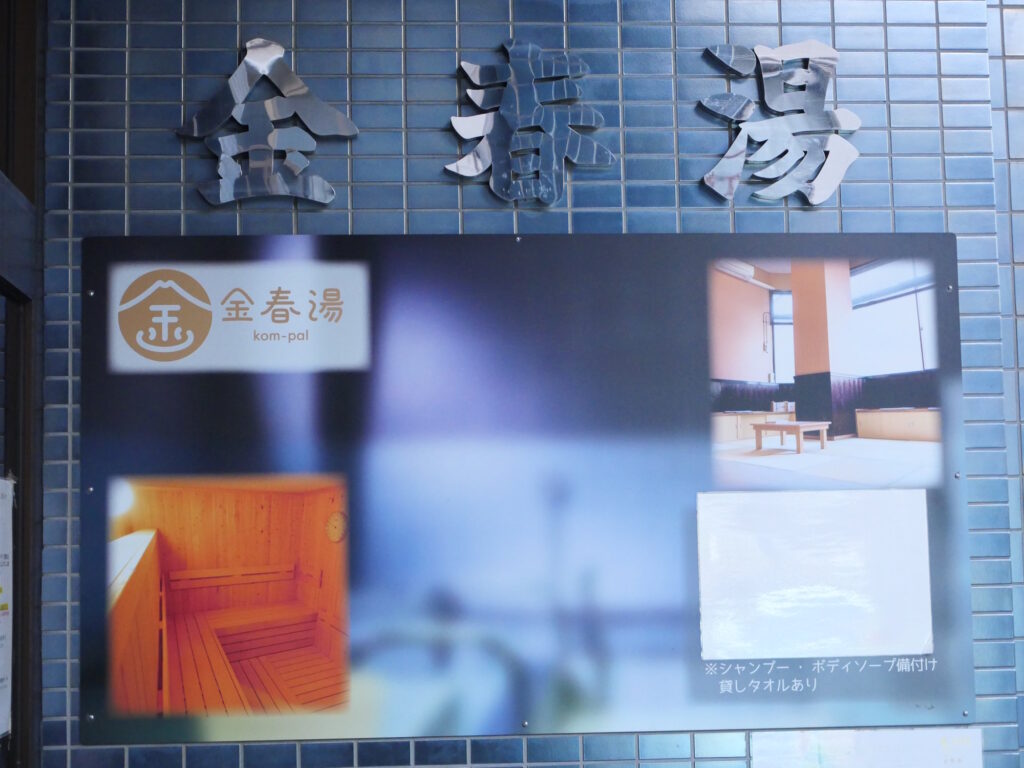
Located about an eight-minute walk from JR Osaki Station, kom-pal has been serving the neighborhood since 1950. Like many family-run bathhouses, it eventually faced the same pressures affecting the entire industry: fewer customers, rising operating costs, and the question of who would take over when the older generation retired.
The answer arrived in the form of fourth-generation owner Kakuya Fumitaka. Unlike many bathhouse operators, Kakuya didn’t spend his career in the bathing business. He worked for nine years as an engineer at an optical and medical-device manufacturer.
Around 2017, he began helping out at the family bath after his mother’s health declined. Two years later, he left his corporate career entirely to run kom-pal full-time.
He didn’t just rely on tradition or make do with what he was handed, though. He put his engineer’s mindset to work.
One of his first projects was creating a custom management platform known simply as the “kom-pal system.” Built from scratch, it helps track customer demographics, busy periods, and other operational data that many traditional bathhouses simply never collected. He also redesigned the business’s website and launched an online shop selling original merchandise.
Then, during the COVID-19 pandemic, he built a system that displayed real-time sauna congestion, earning kom-pal the nickname “the agile sento.” It was an unusual reputation for a business built around wooden lockers, tiled baths, and decades-old traditions.
Technology, however, is only part of the story.
Innovations that give the locals what they want
kom-pal has also leaned into hospitality in many different ways. For example, since 2018, visitors have been able to enjoy craft beer after their bath in the tatami-floored lobby. The beer comes directly from breweries and changes regularly, giving regular customers something new to look forward to.
The lobby itself is also a comfortable place to lounge in. It has low tables, a TV, and a collection of books and zines that guests are free to browse.
The bathhouse also has a very popular sauna room. Sauna users account for roughly 40% of kom-pal visitors, which is way higher than the 2% average for most sento. The exact reason why isn’t perfectly clear, but Kakuya believes it’s because, unlike many other sento, their sauna doesn’t have any music or TV inside. Locals want peace as they relax in the sauna, and they can get it at kom-pal.
A splash of personality with merchandise and an in-house zine
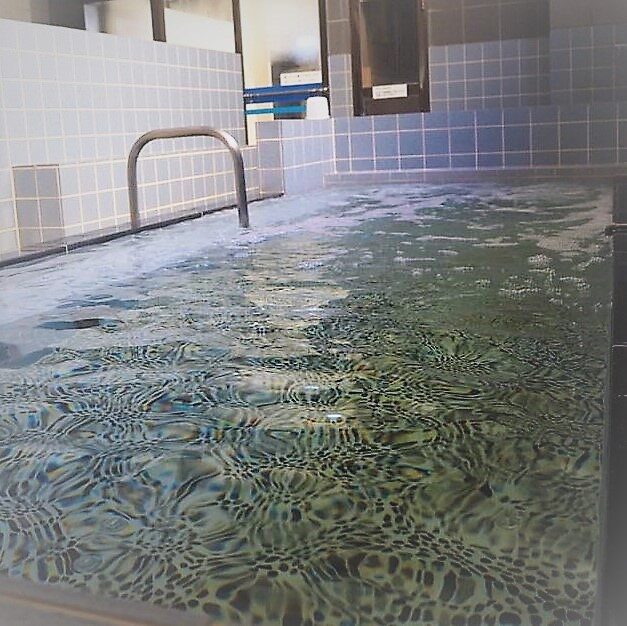
Despite the many changes, though, kom-pal doesn’t market itself as an entertainment spot or anything flashy. It still presents itself as a neighborhood bathhouse. It’s just a really good one.
Among the zines displayed in the lobby sits the sento’s in-house zine, Yu-kagen. Kakuya publishes it himself and brings it to independent publishing festivals around Japan.
Plus, remember the online shop we mentioned earlier? Well, the original merchandise it sells includes embroidered T-shirts with a frog illustration the third-generation owner himself created. These aren’t generic souvenirs aimed at tourists. Instead, they help the bathhouse connect with regulars, building a community around it.
Reviving sento one bathhouse at a time?
The family’s efforts haven’t stopped with kom-pal. Kakuya worked together with his younger brother, Yuta, to save another bathhouse near Oimachi Station that was scheduled to close. Kakuya and Yuta bought the business, renovated the aging facilities, and reopened it in December 2022. Like kom-pal, it now features rotating craft beer taps to attract local beer enthusiasts.
As for why they went so far, it turns out the reason was largely sentimental. Kakuya said that their grandparents used to go there. If they didn’t do anything, it would have disappeared forever.
Of course, as inspirational as this story is, it doesn’t mean that sento as a whole are in for a sudden revival.
The broader reason for the decline of sento

While clever marketing can certainly turn the fortunes of a business here and there, there is a reason why sento aren’t as popular as they used to be. Once upon a time, it used to be uncommon for Japanese homes to have their own private baths. Thus, public bathhouses were a necessity.
However, that’s not the case anymore. Most homes now have baths, and many bathhouse owners are reaching retirement age without successors willing to take over. And maintaining a bathhouse isn’t cheap. Fuel prices, water costs, and maintenance expenses continue to rise, making it harder to keep aging facilities open.
If the current decline keeps up, the number of sento across Japan may well fall below 1,000 by 2035.
From neighborhood necessity to community hub: the sento’s evolution
But that doesn’t mean sento will die out entirely. Although bathhouses aren’t as numerous anymore, in Tokyo, the average number of visitors per sento has gone up. In 2011, daily attendance was around 120 bathers per sento; in 2025, that rose to 180. In other words, demand is being concentrated to the best of the best.
kom-pal is among that new generation of sento. It has used innovative technology, thoughtful hospitality, community events, and a welcoming atmosphere to keep going strong. It’s a shining example of “If you want to survive, adapt to the times.” And, if you provide what the people want, they will come.
Keep reading

Sources
ITエンジニアから大崎『金春湯』の4代目に!? 地域に愛され、アイデアで挑むローカル銭湯 散歩の達人 (San-tatsu)
銭湯激戦区の品川でファンを増やすには? 元エンジニアの銭湯経営者、「金春湯」角屋文隆さんインタビュー 五反田計画
大井町の銭湯「すえひろ湯」がリニューアル 大崎・金春湯オーナーが事業承継 品川経済新聞
金春湯(品川区|大崎駅)お風呂もサウナも居心地抜群、湯上がりはロビーでクラフトビールも楽しめる 東京銭湯 / 東京都浴場組合
ピーク時から9割減 消えゆく銭湯、値上げだけでは解決しない現状:東京商工リサーチが調査 ITmedia ビジネスオンライン
東京の公衆浴場はどうなっているの?(東京の公衆浴場の現況) 東京都生活文化局消費生活部