

You may have heard the myth that it is impossible to receive ADHD medicine in Japan, especially if it is a stimulant. That’s untrue. Both stimulant and non-stimulant ADHD medications are available in Japan (though Adderall is banned).
Unfortunately, since September 2024, it’s been even harder for people to access their medicine due to a disruption in the supply, as well as increasing demand.
The Strattera rug pull

Japan is very strict when it comes to controlled substances of any kind. Naturally, the non-stimulant ADHD medication is easier to get a prescription for and is more widely available. The two non-stimulant medications available in Japan are Intuniv (Guanfacine), which is typically prescribed to children and teenagers, and Strattera (atomoxetine).
Well, Strattera was available until September 2024. This non-stimulant medication was pulled from production due to the discovery of the carcinogenic substance N-nitrosoatomoxetine in the manufacturing process.
Keep in mind, Strattera (atomoxetine) was the most widely prescribed ADHD medication in Japan. This sudden pull from production led to patients all over Japan to seek a new prescription almost overnight, since most clinics only allow you to receive a 30-day supply at a time.
Clinics all over Japan scrambled to get patients a Concerta (methylphenidate). This stimulant medication requires registration with the government only by a registered physician.
The result? Pharmacies quickly faced supply and demand shortages across the country.
Does Japan have generics available to help ease the demand in such cases? Yes, but even the Strattera generic, atomoxetine, was only available in some regions and only at some pharmacies. Shocking, considering it was the generic for the most widely prescribed ADHD medication in Japan until late summer 2024.
Meanwhile, generic Concerta isn’t readily available because Concerta’s main ingredient is technically classified as a Class 1 psychotropic substance (第1種向精神薬), the most tightly controlled tier of psychotropics under Japan’s Narcotics and Psychotropics Control Law. That status brings strict manufacturing quotas and distribution rules. Again, Japan remains strict with controlled substances, even if for medical purposes. The less available on the market, the less available to potentially be abused. Or so Japan reasons.
With Japan’s spike in overdoses with prescription and over-the-counter drugs, especially among teenage girls, you can understand why there might be some hesitancy with the government to restrict such drugs and variations available on the market. Providing limited options with strict oversight is Japan’s main approach for now.
Question: do you like UJ's independent coverage of Japan? Our writers are supported by our members. Join Unseen Japan Insider to get bonus content every week, an ad-free website, and access to our large and growing Insider archive.If you love what we do, help us pay our writers to do more of it by joining Insider. You'll get bonus content every week, an ad-free website, and access to our large and growing Insider archive.
An uptick in diagnoses and treatment
The sudden shortage in supply wasn’t the only factor. Despite mental health in Japan still being stigmatized, there has been a shift in attitudes over the past few years, leading to more people seeking diagnoses and treatments. As the number of those diagnosed with ADHD grows every year, so does the number of people seeking treatment.
So far, the medical infrastructure hasn’t been able to keep pace. Counseling can take a lot of time and money. Methods such as transcranial direct-current stimulation (tDCS) aren’t covered by insurance and very costly. So many are left with seeking prescription medication.
Many clinics that can diagnose ADHD and prescribe medication cluster around large, central urban areas, often near stations like Osaka Station or Shinjuku Station. Pharmacies also cluster around there, catering to the kinds of medications those from the clinics would be prescribed.
Leave these central areas, though, even just one city or ward over, you may find yourself struggling to find a clinic that can fulfill your ADHD medication order due to having run out or not carrying it at all.
In fact, before September 2024, I had trouble getting my own Strattera prescription from various places in Japan: the Amagasaki Costco in Osaka, Matsubara-city Aeon, and even pharmacies around my local station in one of Tokyo’s 23 wards. Proximity to a main city or station wasn’t enough to avoid supply issues and guarantee a timely refill. And again, this was prior to pulling Strattera from the Japanese market.
Not just Japan
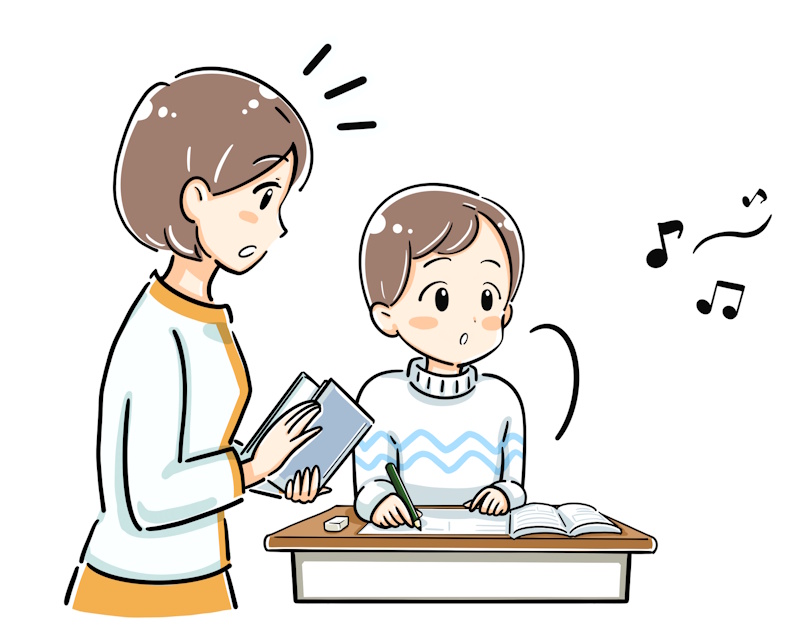
Japan is by no means an outlier facing a supply issue and uptick in diagnoses. For those outside receiving medication for ADHD residing elsewhere, you may have already noticed a shortage in the market in the past two or three years.
The US, for example, has seen an increase in adults seeking diagnoses and treatment for ADHD. Compared to Japan, however, stimulants are more commonly prescribed and widely available in the US. So when Adderall faced a supply issue in 2022, this led to many people suddenly switching to other stimulants such as Vyvanse and Ritalin. That strained the supply of those medications, just like what Strattera did to the Concerta supply in Japan.
The US Drug Enforcement Administration (DEA) has a restricted and seemingly outdated cap on quotas for drugs containing dextroamphetamine, one of the main ingredients in these common ADHD stimulant medications. Not only can other manufacturers not just make more of these drugs to meet the market demand, but there are caps in place on the production of these medications. These caps are actually determined by predictions for each pharmaceutical company by the DEA, nearly two years ahead of production.
Similar trends with increased diagnoses and those seeking treatment being met with a supply chain that struggles to keep up can be seen across Europe in countries like the UK, Spain, and Belgium.
Is it nice to see that countries like Japan are moving towards more openness with mental health and treatment? Absolutely! But as we can see, a change in attitudes isn’t enough. Adequate support and attention must also be given to the medical infrastructure for any change to be meaningful and long-lasting.
Hopefully, Japan and other countries’ supply issues will find a solution and begin to recover sooner rather than later.
Keep reading


Sources
ADHD治療薬の供給危機について. 発達障害当事者協会 (JDDA)
コンサータ不足の入手困難をめぐる現状と課題 協会独自調査のご報告. 発達障害当事者協会 (JDDA)
【重要・ご報告】ADHD治療薬「アトモキセチン製剤」の供給について. 発達障害当事者協会 (JDDA)
ADHD治療薬不足はなぜ起きるのか コンサータ供給難が学校と職場の日常を揺らす. coki
【独自】ADHDの治療薬、国内で不足 厚労省、供給量増を要請. Yahoo!ニュース (共同通信)
ADHD薬、在庫は偏在 発達障害当事者協会が調査. 中日新聞
ADHD治療薬コンサータ不足の真相:世界的な需要増と日本でジェネリックがない理由. おじさん薬剤師の日記
US ADHD Stimulant Shortage Highlights Growing Challenges in Adult Treatment. The American Journal of Managed Care
ADHD medication use rises sharply across Europe, driven by growth among adults. University of Oxford
ADHD治療薬. 三鷹駅こころえがおクリニック