


Many in Japan are already complaining that they’re underpaid and overtaxed. (The underpaid part is definitely true.) Now, citizens and residents in Japan are bracing to pay yet another levy. Social media users have taken to calling it the “Bachelor Tax.” Many users hate it – and are even calling for the agency that put it in place to be dismantled.
A dwindling population

Japan is one of many countries worldwide currently suffering sub-replacement fertility, a phenomenon in which the number of live births isn’t high enough to replace the percentage of people who die every year. Without an influx of foreign citizens, a country’s population declines.
Since 1973, Japan’s live birth rate has been chiefly on the downswing. That year saw 2,092,000 live births. In 2024, the country recorded a mere 686,000 births.
Almost half of the world’s population lives in a country with sub-replacement fertility. However, Japan is one of the few countries actively experiencing population decline as a result. A key reason is the country’s low rate of immigration relative to emigration: only 3.2% of Japan’s current population is immigrants.
That’s not my name!
To tackle this, Japan’s decided to throw money at the problem. Its primary source of investment: stipends to encourage its financially strapped citizens to get hitched and have babies.
Officially, the new tax, passed in 2025, is called the Child and Child-Rearing Financial Support System (こども・子育て支援金制度; kodomo/kosodate shienkin seido). It’s intended to fund financial stipends that are paid out to parents, as a way to encourage people to have more children. The new system goes into effect in April 2026, the start of the new tax season.
Social media users, however, have taken to calling the system the “Bachelor Tax.” Which is a misnomer in multiple ways.
First, the tax isn’t actually a tax – it’s an additional surcharge added to national healthcare premiums. Households earning 10 million yen ($63,820) or more a year will pay 12,000 yen ($76) a year in additional premiums. This will go up to 19,800 yen ($126) a year for top-earning households by 2028.
See a side of Tokyo that other tourists can't. Book a tour with Unseen Japan Tours - we'll tailor your trip to your interests and guide you through experiences usually closed off to non-Japanese speakers.

Second, the tax doesn’t target single people specifically. It’s charged to all citizens and residents of Japan equally. However, because single and childless people won’t get any of the money back in terms of the economic benefits, it’s been labeled a “Bachelor Tax.” In reality, all childless households – single or married – will be paying for those couples who elect to have kids.
An agency in trouble
The new tax is the latest gambit by Japan’s beleaguered Children & Families Agency (家庭庁; katei-chou) to prove its worth. The agency has come under fire for achieving little with its 7.5 trillion yen ($47.87B) budget. Taxpayers have also criticized it for wasting money on canceled projects, such as its defunct AI-powered child abuse detection system.
Indeed, as Mainichi Shimbun reports, there have been vocal calls online since around 2024 to dismantle the agency altogether. Proponents argue that the family of every new child born in the country could receive a 10 million yen ($63,830) stipend if the agency’s budget and the concomitant taxes were eliminated – and that this would do more to spur people to have children than anything else.
No one would accept a tax increase
Government officials have argued that the new levy won’t increase the average citizen’s financial burden. That’s because the government revised its age tables for health care price increases, which will result in lower premium increases across the board.
These specious arguments have done nothing to quell the anger of ordinary citizens.
Sociologist Itō Masaaki says that the online arguments against the CFA’s budget are misbegotten, as the agency’s budget includes ongoing population efforts started at other agencies. However, he argues, there’s a reason people are disgruntled.
Young people in Japan feel that all the country’s money is being spent on parents and the elderly, with little done to help them cope with wage stagnation and rising prices. Indeed, we’ve covered other surveys that show a majority of Japanese people in their 20s want more direct financial assistance from the government to help them make ends meet.
Some big names in Japanese politics have blasted the “Bachelor Tax” as well. Former Osaka governor Hashimoto Tōru says the Japanese people “won’t accommodate” the new burden, especially given that it’s levied on health care premiums.
Planning a trip to Japan? Get an authentic, interpreted experience from Unseen Japan Tours and see a side of the country others miss!

“Health insurance provides a benefit to those who pay for it,” he said on a recent TV broadcast. Hashimoto argued that the government stuck the burden onto health care premiums because it knew Japan’s citizens would oppose a tax increase – even one intended to secure the future of the country.
It’s unclear whether the new scheme will have any impact on Japan’s birthrate. Other factors – such as the lack of freedom that comes with having kids, and the unequal household burden placed on women – also contribute to the decision to remain childless.
So long as Japan fails to address these larger cultural issues, it may find it difficult – if not impossible – to escape from this death spiral.

There are too many deer in Nara Park. To remedy the situation, it seems at least a few of the creatures are seeking greener pastures.

Tokyo is becoming hard to afford for more people, with the cost of a one-bedroom home reaching record levels.
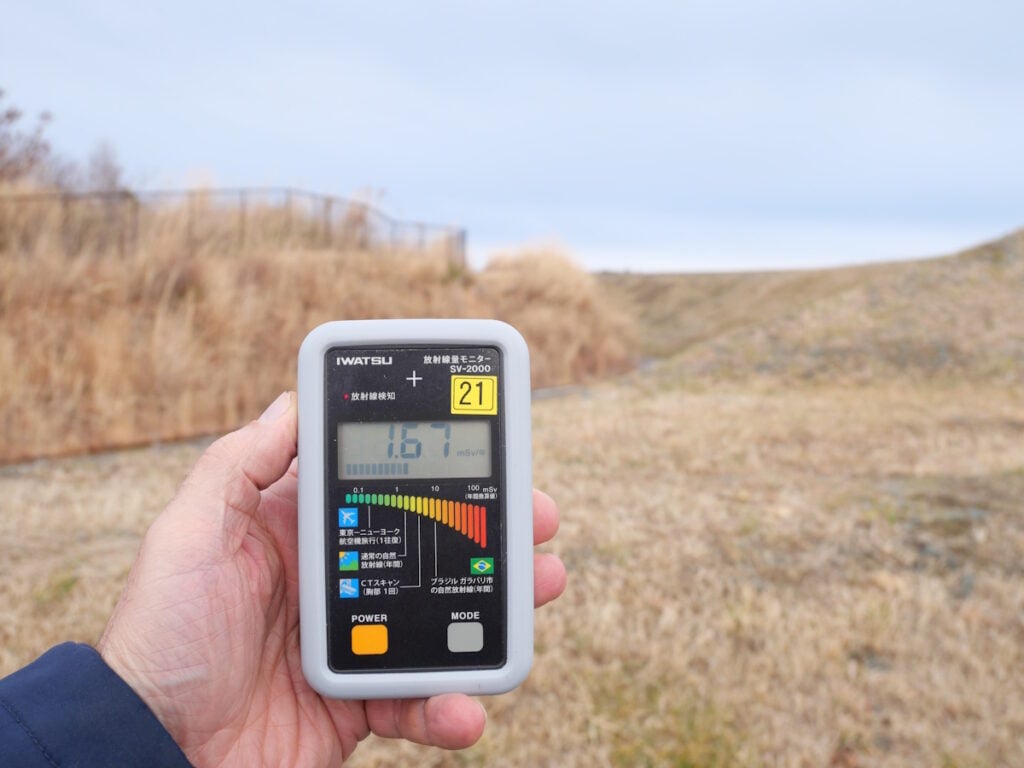
Japan says it’s dedicated to decontaminating the land spoiled by the Fukushima nuclear accident. But most residents still haven’t returned.
Sources
4月、“独身税”がいよいよ開始!子ども・子育て支援金制度「一人あたりの徴収料はいくら?」…「手取りが減った」という実感だけを持つ懸念. Minkabu
橋下徹氏 4月からの“独身税”導入で政府に憤り「国民はこういうことを許しちゃいけない」. Sponichi Annex
Sub-replacement fertility/少子化. Wikipedia (EN) and Wikipedia (JP)
日本の出生数と出生率の実情をさぐる(2025年発表版). Yahoo! Japan News
こども家庭庁「解体論」なぜ拡散? 積み重なった怒りと危うさ. Mainichi Shimbun
