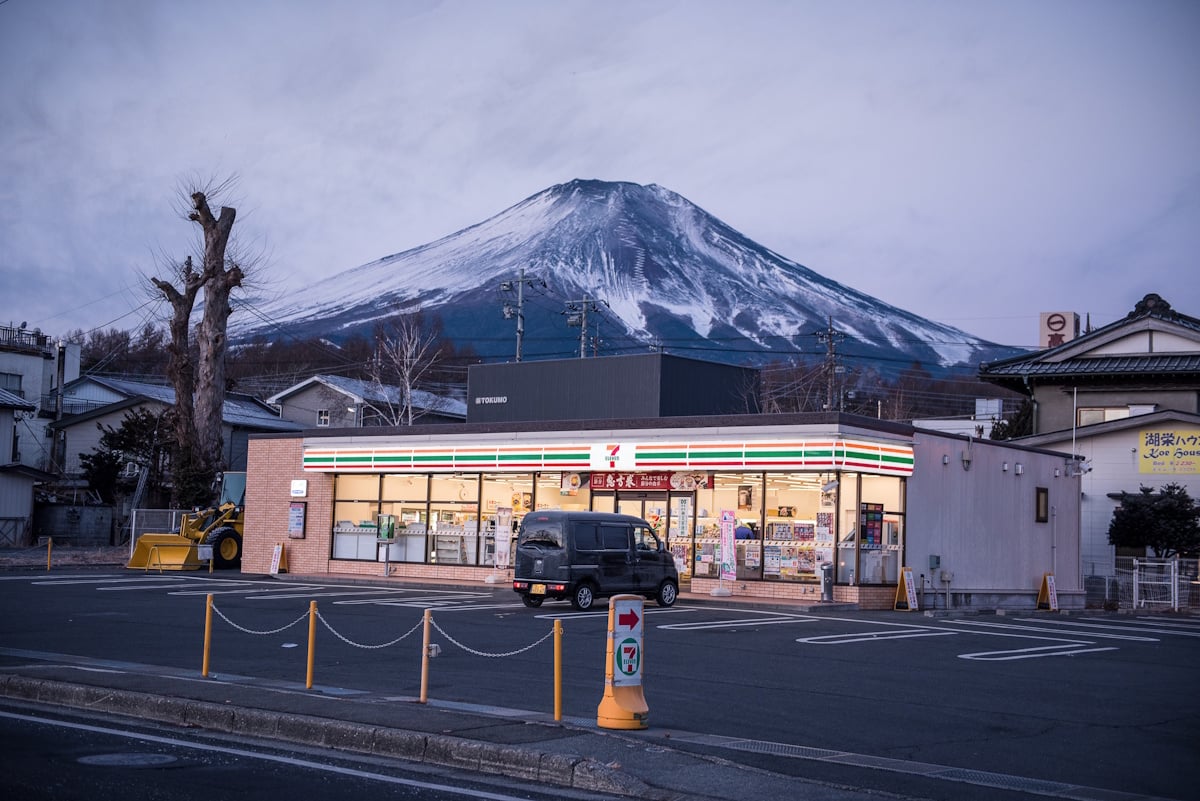


Japan’s convenience stores – or combini (コンビニ) as locals call them – have quietly become one of the hottest “hidden” attractions for tourists. Forget temples and hot springs; influencers and snack hunters flock to 7-Eleven and FamilyMart for what TikTok dubs “grocery store tourism.” Or in other words, combini tourism.
Back in August, Google searches for “7/11 Japan” exploded by 5,000%. While it might have started as a snack haul trend on TikTok, a decent chunk of people booking travel to Japan have said that social media inspired their itineraries.
As for what exactly has people so crazy about convenience store food, I’m going to break it down for you.
High-quality and novelty foods that keep combini tourism going
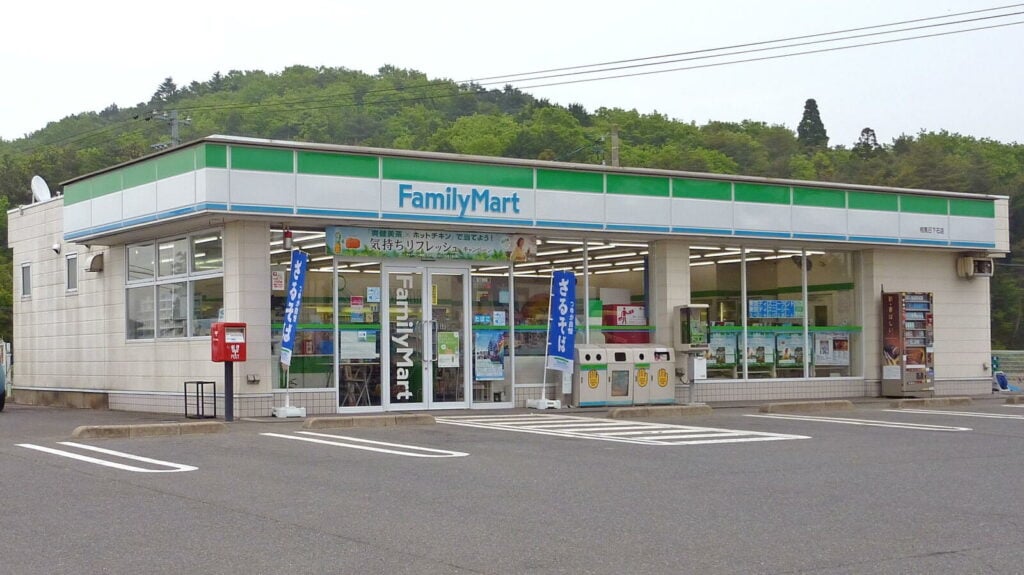
In the U.S., most people think of convenience stores as a place to use the restroom on the way to somewhere else. For those who are hungry, you might grab some potato chips or soda. U.S. convenience stores don’t typically offer much else.
In Japan, however, it’s a completely different story. While combinis offer their fair share of snacks, they also tend to have a decently stocked deli with some pretty high-quality food. I’ve seen fluffy egg sandwiches, steamed meat buns, and full-on one-box meals.
I’ve come across a dud now and then, but for the most part, the quality rivals sit-down restaurants while costing less than 500 yen (roughly 3 USD).
The real hook? Shelves refresh regularly with gentei items (限定), i.e., limited-edition goodies. These include pastries catering to the season, collaborations with popular anime, and items unique to a specific region. (More on that later.)
The point is, it’s never the same twice, and that novelty keeps people coming back.
The rise of combini tourism
Combini have noticed how much foreigners are flocking, as well. Products that used to be Japanese-only now have English names written on packaging as well. Some also might display allergen lists with translations, so foreigners with allergies can shop with more peace of mind.
It’s an approach that’s the polar opposite of a soba shop that wanted to ban tourists during lunchtime.
Not combinis, though. Near major tourist attractions, they openly cater to foreigner needs. They’ll cram products that are popular among tourists at the front of the store. They’ll even stock more varieties of fruit to cater to foreigners who often eat more fruits than Japanese residents.
Breaking down the 3 biggest combini chains
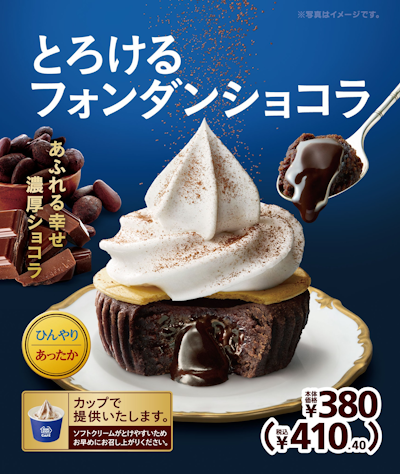
There are three main combini chains with stores across Japan: 7-Eleven, Lawson, and FamilyMart. Each has its own strong points and “must-try”s that lure tourists in.
For 7-Eleven, TikToks, YouTube shorts, and Instagram alike can’t stop raving about its egg salad sandwiches. 7-Eleven also has the added bonus of familiarity for U.S. tourists because this chain originally started in the U.S. The chain also generally has high standards for freshness, which gives it an edge.
Planning a trip to Japan? Get an authentic, interpreted experience from Unseen Japan Tours and see a side of the country others miss!

Most tourists know Lawson for Karaage-kun (からあげクン), little boxes of fried chicken nuggets. In fact, Guinness World Records acknowledged them as the “best-selling freshly fried chicken brand” this past February. Lawson keeps people interested by constantly rotating unique flavors like yuzu and their most recently announced “Dream Mix.”
FamilyMart’s no slouch, either. Its Famichiki fried chicken is absolutely viral across social media, loved by foreigners and locals alike. This store also has a decent range of sweets (cake, bread, and pudding cups) and cheap prices that keep customers coming.
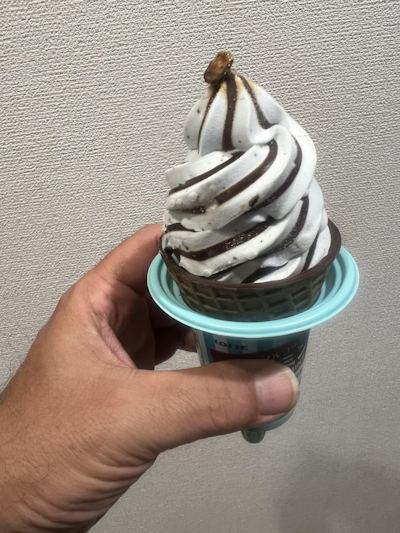
While other combinis exist, they’re not as prevalent or popular. A notable exception: Mini Stop, whose desserts, like its Fondant Chocolate, represent some of Japan’s best snacking.
For a limited time only: seasonal products and regional specialties
Seasonal limited-edition items fuel the combini tourism frenzy. During spring, I’ve seen cherry blossom-flavored KitKats and strawberry cheesecake puff pastry. Summer can get some crazy combinations, like ramune lemon jello or mango pudding.
Sweet potatoes are huge in autumn, so don’t be surprised by the tsunami of sweet potato-flavored treats, from parfaits and puddings to chips and ice cream. Winter focuses more on comforting savory dishes like oden.
All that’s not even counting regional specialties. Since those aren’t sold in every branch, you may have to really go the distance to get your hands on them.
Certain regions have their own local combini you can’t find elsewhere. Seicomart dominates Hokkaido with a Hot Chef corner boasting fresh meals. You can walk into a Daily Yamazaki almost anywhere in Kanto for some freshly baked bread. Ministop may not be as well known, but no one else beats its soft serve ice cream.
Beyond snacks: a slew of services for your convenience
Combinis aren’t just about the food items, either. They offer a variety of services that make life easier for residents and can be a lifeline to any foreigner in need of help. These include ATM machines, ticketing services (for anything from concerts to amusement parks), bill payment services, and delivery and pickup points.
Need to buy something online during your stay? Pick a combini as a delivery point and pay for your shopping there, too, while you’re at it! Need some cash? 7-Elevens accept foreign credit cards and have English-language menus to make things easy.
Combinis also typically sell more mundane essentials: sunblock, toothbrushes, shirts, underwear, umbrellas, cosmetics, and even painkillers. Some everyday combini products, such as the socks sold by FamilyMart, have become unlikely viral hits on social media.
Combini overtourism? Some hurdles and how combinis handle them
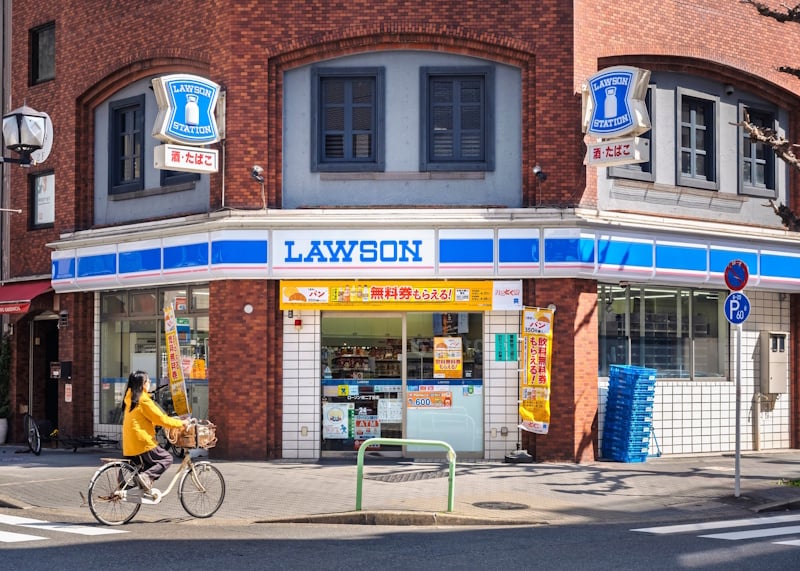
As with everything, not everyone’s thrilled about combini tourism. Combinis near tourist sites get packed, staff can become overwhelmed, and ignorance of local etiquette can cause friction. Combinis are meant for speed, so a crowd of foreigners lingering in the aisles and taking pictures makes shopping slow and inconvenient.
Smaller outlets like in Kyoto or Asakusa can feel the squeeze especially hard, where overstuffed lines of customers can block staff from restocking and make working behind the counter especially hectic.
Planning a trip to Japan? Get an authentic, interpreted experience from Unseen Japan Tours and see a side of the country others miss!
However, smart operators have been adapting to the demand. They’ll put up more signage in English and Chinese to better direct traffic and make etiquette clear. Some have even added “tourist zones” so travelers can taste new products, freeing up space away from aisles and making crowds manageable.
Giving combini tourism a shot
Combinis give tourists a peek into what Japanese life is really like. Given the constant creativity and polite hospitality, it’s no wonder they’ve become a fascination to foreigners everywhere.
For travelers tired of overly-Instagrammed temples, combinis deliver a new perspective of Japan, plus delicious and affordable treats. Honestly, who could resist?

Tea, Irises, and Nordic Homeware: Visit These Four Tokyo Spots Before They Get Trendy
Tokyo always offers “unseen” spots to explore. Here are four we’ve found lately, including a black tea experience and a hidden bento box.
Tourists to Japan Are Tossing Coins into These Ponds. That’s a No-No
Officials are worried about the environmental impact after tourists dumped 18,000 coins into the ponds in 2025, despite clearly posted signs.
Suwa: One of Japan’s Best Onsen Towns You’ve Never Heard of
Japan is popular. Hot springs are super popular. But Suwa, an onsen town in Nagano Prefecture, remains a hidden gem.
Sources
TikTok drives 5,000% surge in Japan grocery store tourism Globetrender
外国人観光客は何を買いにコンビニへ?インバウンド店には「常温の牛乳」や「白いいちご」も【Nスタ解説】 TBS NEWS DIG
Best-selling freshly made Japanese-style fried chicken brand (current) Guinness World Records
40周年を迎えたローソン「からあげクン」がギネス認定! 新フレーバーや“売れなかった味”も紹介 Mynavi News
ファミリーマート秋スイーツまとめ!最新はお芋はちみつバターのパフェが2025/11/11より新発売!おさつボール、北海道かぼちゃのモンブランプリン、焼き芋の干し芋なども!口コミまとめ! Puchipurabu
