
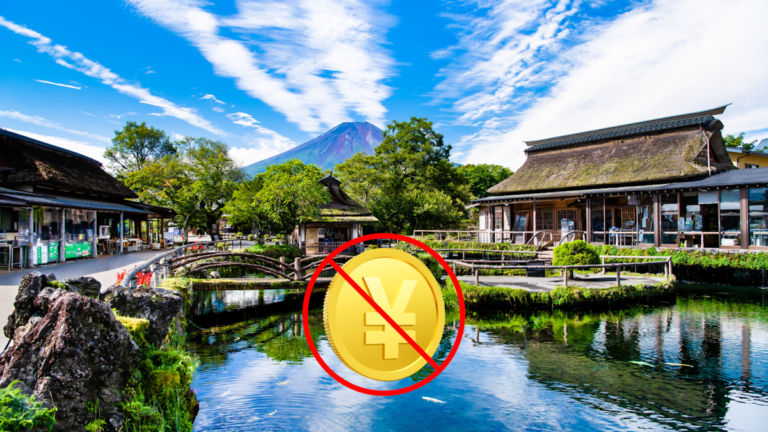
A new problem related to tourism is rearing its head at one of Japan’s UNESCO World Heritage Sites. Travelers are clogging up spring pools, making wishes that Japan’s gods aren’t even listening to. On social media, Japanese commenters vented their anger – but also offered some compelling practical solutions.
From 4,400 coins to 18,000 coins in one year
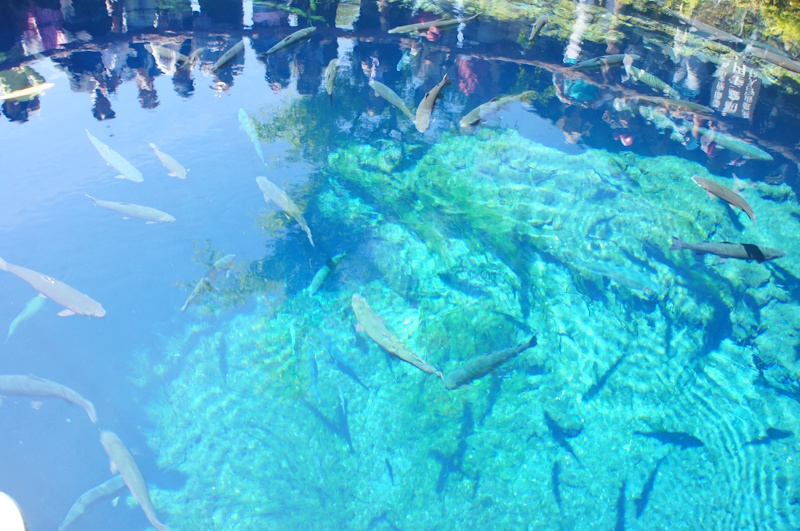
Oshino Hakkai (忍野八海), or the Eight Seas in Oshino, is a set of eight spring ponds in Oshino, Yamanashi Prefecture. The ponds are fed by snow melt from Mt. Fuji.
As part of the Mt. Fuji UNESCO World Heritage site, Oshino Hakkai is one of the prefecture’s most important tourist attractions. The water is crystal clear and makes for a breathtaking sight.
But it’s also drawing some unwanted attention.
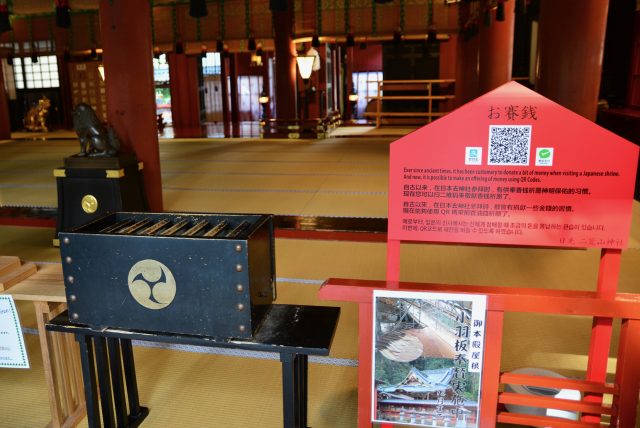
Tourists seem to be convinced that they should toss coins into the ponds to make a wish. This is, of course, a worldwide tradition, and one even respected in Japan via donations to the 賽銭箱 (saisen-bako), or offertory box of Shinto shrines and Buddhist temples.
Despite signs in four languages warning them not to, visitors to Oshino Hakkai are tossing coins at an accelerated rate. According to FNN Prime Online, volunteer divers recovered 4,400 coins in 2024. In 2025, that number jumped to a jaw-dropping 18,000.
This isn’t a cute little problem – it has serious environmental consequences. The coins corrode, leaching rust and trace metals. That changes the water quality and impacts the delicate ecosystem that gives Oshino Hakkai’s waters their special clarity.
A very Japanese solution: the donation box
A lot of the time, when I cover these “tourists behaving badly” stories in Japan, the Japanese reaction is anger at tourists for not following the (in this case, clearly posted) rules. Looking at social media, many indeed expressed a fair amount of anger.
“Inbound tourism – all harm, no benefit,” one groused. (I’m sure many businesses and the Japanese government would disagree with that.)
“A fourfold increase in a single year is outrageous,” another said. “Proof that awareness campaigns aren’t keeping up. Honestly, this should be enforced much more strictly. If you can’t follow the rules, you could be told you have no right to visit.”
While some maintained that the signs are clear and easy to see, many said they’re not enough to dissuade people from tossing in coins. Some argued that tossing coins is such an established world custom that the instinct is hard to suppress without an alternative outlet available.
The majority of respondents – over 50% of the comments I examined – focused on practical solutions. The number one solution: remove all the coins!
“I’ve been there before,” one Japanese commenter wrote, “and I think they should first clear out every single coin from the pool. Signs are posted, but with so many people around, they’re hard to see. If there are coins already in the water, people are going to think it’s something you’re supposed to do.”
Others suggested a very Japanese solution: a donation box, which many tourists will also encounter at shrines and temples. This is standard practice at many fountains across the world already, and would give visitors a place to “make a wish” and show their appreciation instead of putting their coins in the water. However, many worried that the solution wouldn’t take root without also clearing the existing coins from the waterbeds.
Balancing tourism and cultural protection
The issue at Oshino Hakkai renews questions about how to balance rising tourism with protecting Japan’s unique cultural heritage.
Over 40 million people visited Japan from overseas in 2025. The Japanese government apparently thinks those are rookie numbers: it wants to increase the number of inbound travelers to 60 million by the next decade.
Unfortunately, the increase in tourism is leading to an increase in people who flout, not just Japanese cultural norms, but universal rules of common decency. Locations like Ine in Kyoto and Shirakawa-go in Gifu Prefecture have seen an increase in tourists eating on people’s porches and even, in Shirakawa-go’s case, entering people’s homes.
Some locations have given up. One Buddhist temple in Kyoto, for example, declared co-existing with tourists “impossible.” Watadzumi Shrine in Tsushima banned tourists altogether.
Others, however, are looking to create solutions to offset the damage. Locations such as Nanzoin in Fukuoka and Himeji Castle in Hyogo Prefecture have instituted two-tier pricing, charging tourists more for admission.
The two-tier pricing solution appears to be having some success. Himeji City recently announced that it’s seen a 20% drop in visits to Himeji Castle since instituting the policy. However, it expects to draw in an extra 1 billion yen (appr. $6.2M) in added revenue, which it’ll use to keep the historical monument in tip-top condition.
Keep reading
Sources
忍野八海の池に“投げ銭”する外国人観光客「願い事のため」 勘違いが広がり大量のコイン沈む “賽銭箱”見立てた回収箱で世界遺産をきれいに. FNN Prime Online