
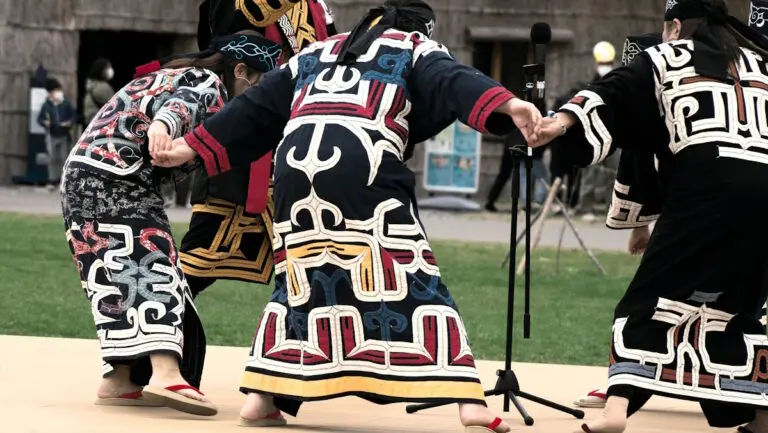
The leader of the Conservative Party of Japan (保守党; hoshutō) claims that the Ainu are not indigenous peoples. In response, the Japanese government refuted them, leading to more discussions on Ainu indigenous rights on Japanese social media.
Recognition “remains unchanged”
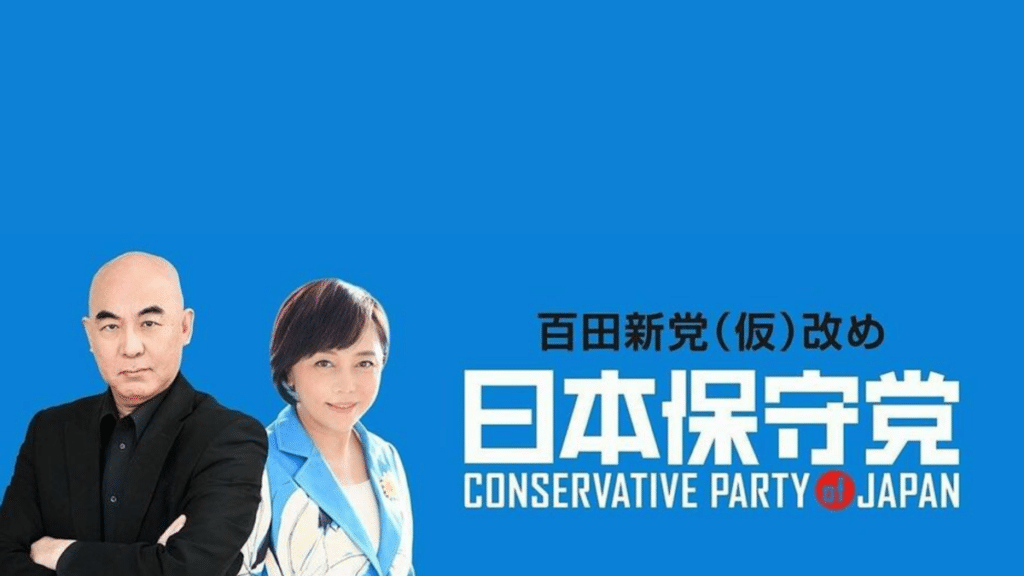
The head of Japan’s Conservative Party, Hyakuta Naoki, recently rejected the indigenous rights and status of the Ainu population in a statement at a press conference on April 6th.
“I think the government’s made a big mistake,” he said, in referring to Japan recognizing their indigenous status. “They haven’t studied Ainu history at all.”
In response, the Minister of State for Ainu-Related policies, Kikawada Hitoshi, asserted, “Our [the Japanese government’s] understanding that they are the indigenous people of the northern part of the Japanese archipelago, especially Hokkaido, remains unchanged.”
Kikawada said it’s important to continue to support and recognize the Ainu “in order to realize a society in which ethnic pride is respected, efforts to deepen the public’s understanding of history and culture are important.”
Hyakuta responded to the criticism of his statement by saying he “doesn’t hold any discriminatory attitude or ethnic prejudice against the Ainu people at all.” He argues he was pointing out that there are no clear definitions around “indigenous people” and “Ainu,” and that those terms should be defined before the government gives them “special treatment.”
Hyakuta is a loud voice in conservative politics in Japan. He’s a popular figure among Japan’s online right for his controversial and often outrageous statements. His YouTube channel, to which he’s posted a whopping 1,300 videos, boasts nearly half a million subscribers.
That said, his ultranationalist Conservative Party doesn’t hold much power. The party only holds two seats in the National Diet in Japan’s House of Councillors and a mere 10 city and township assembly seats in the entire country. The party is dwarfed by right-wing populist party Sanseito, which holds 30 Diet seats and 149 local seats nationwide.
Question: do you like UJ's independent coverage of Japan? Our writers are supported by our members. Join Unseen Japan Insider to get bonus content every week, an ad-free website, and access to our large and growing Insider archive.If you love what we do, help us pay our writers to do more of it by joining Insider. You'll get bonus content every week, an ad-free website, and access to our large and growing Insider archive.
The Ainu’s struggle for recognition of their indigenous rights
Statements minimizing or outright denying the Ainu’s indigenous origins are nothing new. We have covered this time, and time, and time again, and again. Everyone from Japanese politicians, to Japanese TV shows, and even the Japanese government either discriminates against, or does not provide protections for the Ainu.
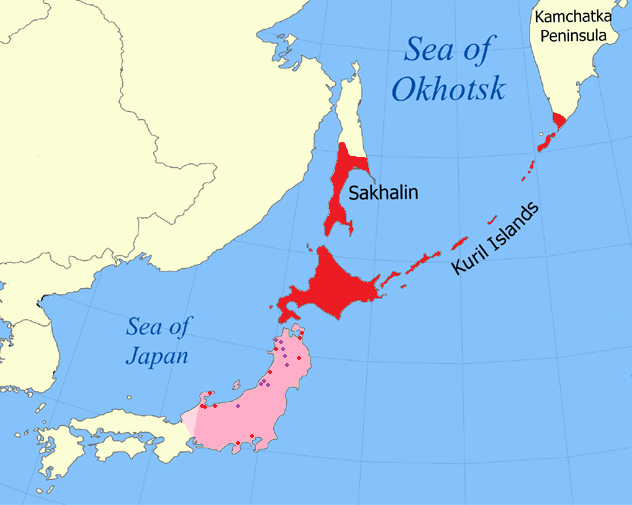
The Ainu are the indigenous people of Hokkaido, Sakhalin, and the Kuril Islands, who inhabited the region for roughly 20,000 years before significant Japanese colonization. They referred to themselves as “Utari,” meaning “the People,” and spoke a language entirely unrelated to Japanese.
Physically and culturally distinct from the Yamato Japanese, the Ainu were traditionally hunters, fishers, and traders who practiced animist religious beliefs. Their population declined dramatically from an estimated 50,000 in 1600 to around 20,000 by 1800 as Japanese settlement expanded.
In 1899, Japan enacted the Hokkaido Former Aborigines Protection Act, which classified the Ainu as “former aborigines”. This granted them Japanese citizenship, paving the way for assimilation. The act severely limited or banned many Ainu customs, traditions, and even their language.
This paved the way for discrimination as the Ainu were still seen as outsiders. The law’s effects are still felt today.
It was not until 1997 with the passing of the Ainu Culture Promotion and Dissemination of Information Concerning Ainu Traditions Act that the Japanese government stated that action should be taken to restore Ainu cultural traditions.
Even then, it took the United Nations Declaration of the Rights of Indigenous Peoples in 2007, along with pressure from politicians from Hokkaido, for the Japanese government to agree in 2008 to adopt a non-binding resolution for the recognition of the Ainu as indigenous peoples.
This didn’t change until the passing of the Act Promoting Measures to Achieve a Society in which the Pride of Ainu People is Respected, or the New Ainu Policy, in 2019. Despite this new law, critics argue that the law does not go far enough. They claim it fails to tackle discrimination, historical wrongs, or ensure the full rights of the Ainu, their culture, and their language.
The struggle for recognition continues
The statements made by Representative Hyakuta Naoki show there is still a long way to go in ensuring that the Ainu get the full respect and recognition they deserve.
The Ryukyuan peoples of Okinawa have not been recognized as indigenous, showing that Japan is still struggling with its past.
It’s good that the Japanese government pushed back on the statements. However, as the criticism of the Japanese government’s past actions shows, there’s still much work to be done.
Keep reading


Sources
政府「アイヌは先住民族」 担当相、百田氏に反論. News.jp
保守党・百田氏「アイヌ」「先住民族」定義説明を 政府や北海道に要求「偏見、全くない」. Sankei Shimbun
Resolution Calling to Ensure the Rights of the Ainu People. Nichibenren.or.jp
A Critique on the New Ainu Policy: How Japan’s Politics of Recognition Fails to Fulfill the Ainu’s Indigenous Rights. Hurights.or.jp
衆議院議員鈴木宗男君提出先住民族の定義及びアイヌ民族の先住民族としての権利確立に向けた政府の取り組みに関する第三回質問に対する答弁書. Shugiin.go.jp
アイヌ民族を先住民族とすることを求める決議. Sangiin.go.jp
Promotion of Ainu Culture. Mlit.go.jp