


As more tourists trek to Japan, restaurants across the country are learning how to cope with the impact of foreign visitors on their business atmosphere. Some even prevent non-Japanese speakers from entering in order to preserve a certain ambience for locals.
But restaurants in Japan are restricting access on the basis of more than language these days. Across its major cities, a subtle but meaningful change is reshaping the dining landscape: more restaurants are openly choosing who they allow inside.
Signs that restrict entry by age, group makeup, or customer background are no longer rare. What was once unthinkable in a culture famous for hospitality is now becoming pretty common. Supporters say it’s a practical way to deal with modern dining problems. Critics, however, say it’s flat-out discrimination.
Age limits and the search for comfort

This practice is increasingly described as “customer selection.” For decades, customers have mingled together in restaurants and clubs without restriction. That’s increasingly leading to issues, however, as generations clash over their perception of “fun.”
Rather than dealing with problems as they come up, some restaurants now set rules ahead of time to keep the peace.
Age-based restrictions are among the most visible forms of customer selection. In Tokyo’s Shibuya area, one popular izakaya limits entry to customers aged 20 to 39. A sign at the entrance explains that the restaurant is designed for younger generations.
Inside, the rule shapes the atmosphere. Most customers are in their twenties. The room is loud, energetic, and casual, and drinks are inexpensive, with a lemon sour costing only a few dozen yen. A two-hour all-you-can-drink plan costs about one thousand yen. The pricing and energy clearly target a young crowd.
The restaurant’s management says that, when older customers visited in the past, they often complained about the noise. Staff found themselves caught between groups with very different expectations. By narrowing the age range, the restaurant cut down on conflict and established a clear brand identity.
Nearby, another restaurant takes the opposite path. A charcoal-grill dining spot restricts entry to customers aged 25 or older. The goal is calm. The menu features higher-priced dishes such as duck tataki and branded chicken. Here, customers appreciate the quiet and not having to raise their voices to talk.
In both cases, owners emphasize that age limits help align customer behavior. When everyone’s around the same age, they tend to talk at the same volume and eat at the same pace. This makes it easier to design the space, train staff, and keep things consistent.
If you have to ask the price, you don’t belong here
For some owners, customer selection isn’t just about atmosphere – it’s a core part of their business plan.
"Noah [at Unseen Japan] put together an itinerary that didn’t lock us in and we could travel at our own pace. In Tokyo, he guided us personally on a walking tour. Overall, he made our Japan trip an experience not to forget." - Kate and Simon S., Australia

In Tokyo’s Akasaka, a large upscale izakaya introduced a rule that no one under 28 years old can make a reservation. The rule applies mainly to the person booking. Younger companions may still enter. Even children are allowed. The owner admits that the rule primarily discourages younger reservation holders.
The restaurant says the change has been dramatic. Nearly all reservations now come from business professionals aged 30 to 60. Many use the restaurant for dates, business dinners, or client meetings, with customers commenting on the calm environment and sense of ease.
This restaurant also removed prices from its menu, a practice borrowed from its earlier members-only locations. While sales exceeded expectations, management noticed that first-time guests sometimes felt uneasy at checkout. In response, the owner adjusted charges such as the table fee. Repeat visits increased quickly.
Here, customer selection functions as branding. The restaurant markets itself as a place for adults who want quality, good service, and a calm vibe. The rules signal what guests can expect before they even sit down.
When selection triggers controversy
Not all customer selection methods are going over well with the general public. This is especially true when Japan’s need for more children clashes with its aging population’s desire for peace and quiet.
For example, when a major soup chain announced it would give free baby food to moms, some customers were up in arms. They complained that the sound of crying kids would lead to an unpleasant lunchtime experience. The outcry led to a demand for more child-free, adult-focused restaurants.
However, when a restaurant posts a sign banning women-only groups or families with children, public reaction can swing in the opposite direction. Supporters argue that such groups may stay longer while ordering less – but critics say that crosses the line into discrimination.
Legal experts warn that these cases carry a higher risk. While restaurants have the freedom to decide whom they serve, that freedom isn’t unlimited. Kicking out customers based on gender or family status can be ruled unreasonable if there’s no good reason for it.
Customer selection may also run afoul of Japan’s Constitution if done incorrectly. For example, one restaurant in Tokyo’s Okubo neighborhood posted a sign forbidding Chinese and Korean customers. Legal experts say that opens the business up to a potential discrimination lawsuit on human rights grounds.
A lawyer specializing in these issues explains that courts focus on whether rules address behavior or personal attributes. Long stays or low spending can be addressed with neutral rules, such as time limits or minimum orders. Gender-based exclusions rely on generalizations that may not apply to every customer.
For example, some restaurants ban male-only groups to prevent harassment of female guests. In those cases, the purpose may be seen as protecting safety. Even then, the rule must be proportionate and based on real risk.
"Noah [at Unseen Japan] put together an itinerary that didn’t lock us in and we could travel at our own pace. In Tokyo, he guided us personally on a walking tour. Overall, he made our Japan trip an experience not to forget." - Kate and Simon S., Australia
The key is going after behavior, not identity. Rules about how people act are more likely to fly than rules about who they are.
Customer selection is also done to protect the shop
In rural Fukuoka, a small ramen shop offers another view of customer selection. With only nine counter seats, the restaurant enforces strict rules. These include banning line-holding and prohibiting entry to anyone under 18.
The owner says the rules emerged from repeated disputes. One person would wait in line, then merge with a large group just before entering. When staff objected, some customers went off on the staff, sometimes crossing the line into verbal abuse.
By setting firm boundaries, the owner said he aimed to protect both customers and staff. He’s unapologetic about his approach, proclaiming it’s not his job to please everyone.
For small independent restaurants, such decisions can be essential. With limited space and staff, most can’t sink their limited time and resources into a constant cycle of conflict. Customer selection becomes a tool to preserve order and dignity.
The line between careful selection and straight-up discrimination is pretty thin, though. As more restaurants experiment with customer selection, society will continue to debate where that line should be drawn.
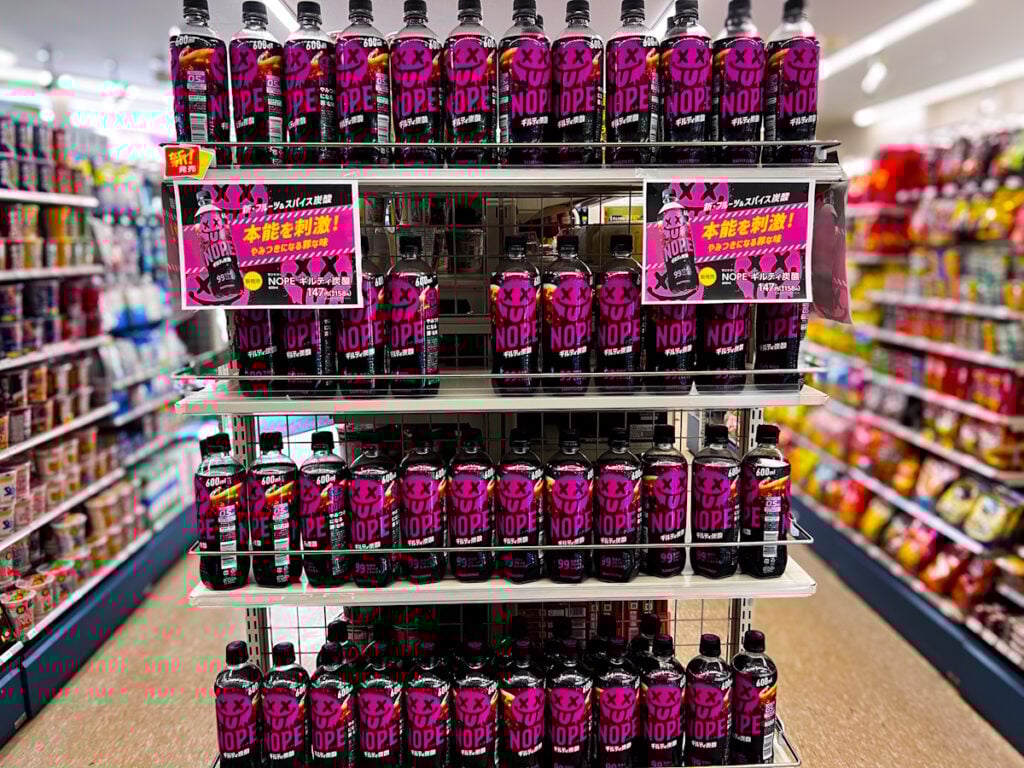
Suntory’s new drink NOPE promises lots of flavor. Just WHAT that flavor is, however, has sparked a raging debate in Japan.
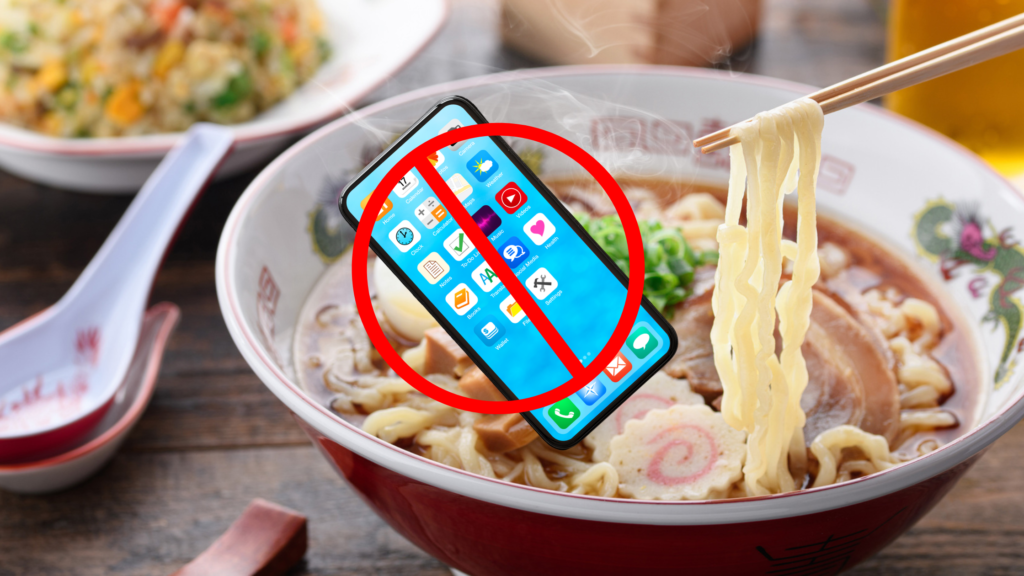
The shop in Saitama Prefecture said it instituted the policy after a customer watched an “inappropriate” video.

Nut allergies are overtaking both wheat and milk in Japan. Here’s how airlines are responding and how to stay safe on your trip.
Sources
40歳以上は入店お断り」「女性同士不可」 飲食店が「客を選ぶ」理由と背景は YAHOO! ニュース
「40歳以上お断り」「25歳以上限定」 年齢制限の飲食店が続々と YAHOO!ニュース
28歳未満は予約不可! 大人酒場『赤坂 港かっぽれ』が敷く独自ルールの効果とは? 飲食店ドットコム
「女性同士、子ども連れはお断り」居酒屋の張り紙が物議、飲食店の入店拒否はどこまで許される? 弁護士ドットコムニュース
行列のできるラーメン店が【18歳未満入店禁止】を掲げる「納得のワケ」…厳しいルールへのアンチコメントも「好かれなくて構わない」 講談社
