
In Japan, if two citizens (Japanese nationals with a koseki, or family registry) get married, they’re legally required to agree on a common last name. Many activists here have railed against the Meiji-era law, modeled after similar laws in Europe in the late 19th century, as outdated.
Some women are putting their foot down and refusing to get married if they have to give up their identity. In one such case, a woman went so far as to sue her ex-fiancé when he ended their engagement over the issue.
A watch, a ring, and a condition
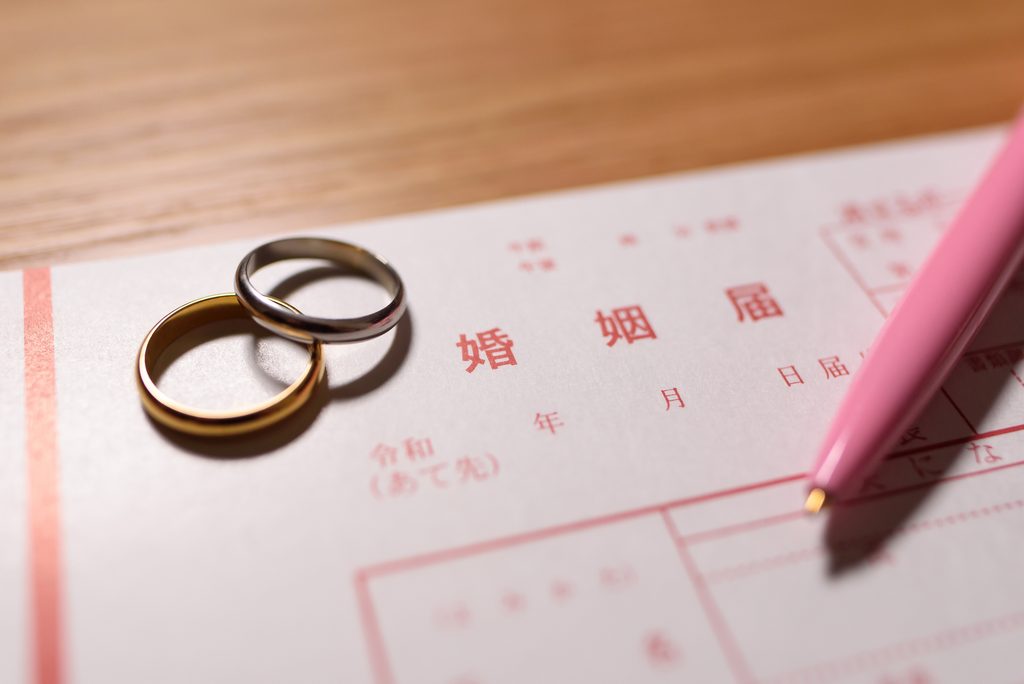
The Tokyo couple had been dating since 2017. The woman maintained in court that she’d long told her beau that, if they ever got married, she wouldn’t change her surname. She’d told him she planned to take over her family’s business someday, and that’s why she wanted to keep her name.
The proposal came seven years later, in November 2024. They proposed to each other. She gave him a nice watch; he gave her a wedding ring.
He also gave her an ultimatum: take my last name after we get married.
The woman said she couldn’t agree to that. The two talked about the issue four times after that, but neither one of them was willing to budge. He insisted that, as the eldest son, his parents would “disown” him if he didn’t continue the family’s name.
In February 2025, he ended their engagement. The thing is, in Japan, an engagement isn’t just a string of words. Dating back to 1915, courts have treated marriage proposals as a spoken contract. While no one can be forced to marry, one party can be found liable for breach and compelled to pay damages, which can include cancellation fees as well as compensation for emotional distress.
And that’s how the two ended up in court. The woman sued the man in Tokyo for breach of contract, asking for 330万円 (~$21K) in damages.
Question: do you like UJ's independent coverage of Japan? Our writers are supported by our members. Join Unseen Japan Insider to get bonus content every week, an ad-free website, and access to our large and growing Insider archive.We manage to keep most of our content free thanks to the generosity of our members. Join Unseen Japan Insider and you'll get access to new, exclusive UJ member content weekly, an ad-free website, and access to our large and growing Insider archive.
Was it a one-sided breakup?
The court wasn’t tasked with deciding anything about the spousal surname law or whether the woman was justified in insisting that she keep her surname. The question before the court was whether the breakup was one-sided or mutual.
From the woman’s standpoint, it was one-sided. In a comment on Asahi Shimbun on July 2, 2026, lawyer and feminist activist Ōta Keiko argued there was a possibility the woman would be awarded damages. Her argument was fourfold:
- She told him at the start of their relationship that she wouldn’t change her surname.
- He didn’t oppose this and proposed to her knowing this was her stance.
- After the proposal, he refused to budge or consider other options, such as a common-law marriage, which is a common workaround in this situation. (In Japan, you can create a common-law marriage by intending to be married and establishing a shared married life, such as a household and commingled finances.)
- He broke off the engagement specifically over this issue.
In the end, however, the court sided with the man.
Judge Hirai Miiru (平井美衣瑠) started by saying that both sides’ views deserved respect, since this was “a critical question of individual identity and family values.” In the end, however, she found that the four rounds of talks showed that both parties attempted to work together to find a solution. That made this a mutual parting of ways, not a sudden change of heart by the defendant.
On that basis, Hirai dismissed the woman’s damages claim.
In the Yahoo! News JP comments section, commenters largely sided with the court’s decision. Over a third of sentiment held that suing over a breakup was a step too far. Others maintained it was good the two found out before they got married that they had different outlooks on life.
The long battle for separate spousal surnames
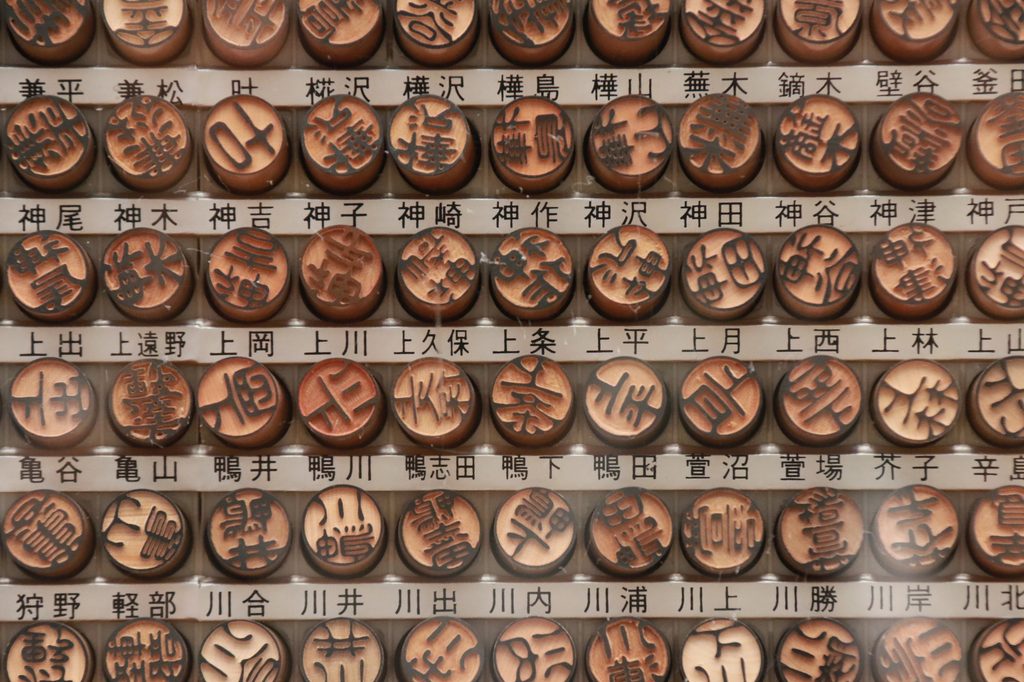
Japan’s Civil Code Article 750 requires two Japanese citizens who wed to share a surname. The law doesn’t apply to common-law marriages or to marriages where one or both partners aren’t Japanese (i.e., don’t have a family registry).
While originally based on European law, all European countries that once had this law have since repealed it. Japan is the only country where this restriction still stands.
I’ve been documenting the separate spousal surnames issue since 2019. In that time, the issue has gained traction, with some spouses going to great lengths to ensure fairness and equality in their marriages. (One couple regularly divorces and remarries every three years to trade names.) While there’s been no concrete legal progress, even conservative parties that have traditionally opposed repealing the law on the basis of “harm to the family” are now proposing workarounds.
Japan’s ruling Liberal Democratic Party (LDP) has proposed allowing women to use their maiden names in daily life while the shared name would stay on the family registry. Even the right-wing zealots at Sanseitō have filed a bill that would allow women to put their maiden name on their My Number cards, driver’s licenses, and passports.
For the time being, even these proposals are off the table. The government shelved its revision bill on October 22 due to lack of consensus in the ruling coalition. It’s focusing on consumption tax cuts instead.
Even if the compromise bill had passed, many would still be unhappy. The Japan Federation of Bar Associations (JFBA, 日本弁護士連合会; nihon bengoshi rengōkai) maintains that the joint spousal surnames law violates Article 13 of Japan’s Constitution, which guarantees respect for each individual.
It’s not surprising in the current climate that economic concerns receive legislative priority. But this issue won’t go away. Sooner or later, Japan’s government will be forced to address it. Whether the solution that ends up becoming law will make anyone happy remains to be seen.
Keep reading



Sources
「男性の名字」にしなかったため婚約解消 元恋人を訴えた女性が敗訴 朝日新聞
私の名字選ぶのに「理由」を求めた彼 婚約破棄された女性が抱く疑問 朝日新聞
「結婚前に波風立てないほうが」 妻の姓選んだ夫婦悩ませた「常識」 朝日新聞
選択的夫婦別氏制度(いわゆる選択的夫婦別姓制度)について 法務省
夫婦の姓(名字・氏)に関するデータ 内閣府男女共同参画局
旧姓「単記」法案、今国会見送りへ 与党内調整が難航、消費減税優先 時事ドットコム
参政、旧姓使用法案を提出 公的身分証に併記 時事ドットコム
旧姓の通称使用の法制化に反対し、改めて選択的夫婦別姓制度の速やかな導入を求める会長声明 日本弁護士連合会
りくりゅう「婚約」で注目 「結婚しよう」の口約束だけでも“成立”の一方で…入籍前に生じる“法的義務”とは【弁護士解説】 弁護士JPニュース
【婚約(婚姻予約)の基礎的な理論と解釈の歴史(法的責任の種類・内容)】 みずほ中央法律事務所