


The Japan National Tourism Organization recently announced that the country saw over 40 million visitors in 2025. Despite a decreased influx of tourists from China, 2026 is set to be another record year, as travelers from other countries fill the gap.
That means Japan’s most-popular tourist spots will remain as crowded as ever. The good news is that there are many sites, events, and experiences that still remain relatively unexplored across the country.
Coming to Japan in the next few months? If so, consider adding one of these unique experiences to your itinerary.
Izushi First Day of the Horse Festival in March
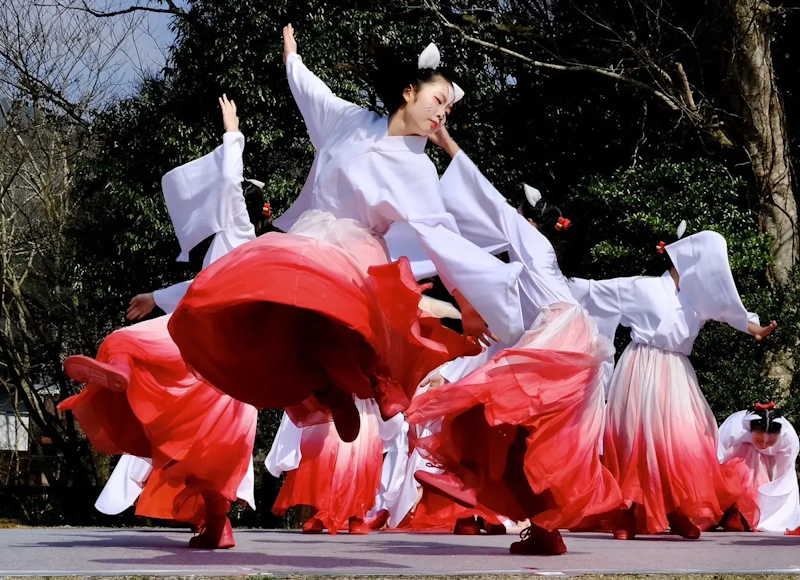
Hatsu-uma (初午), or the First Day of the Horse, is a festival celebrated on the first “horse day” according to the Chinese Zodiac. It’s the day on which Inari-Ōkami, the god of foxes in Japan, is said to have descended to Mt. Inari.
Under the new calendar instituted by Japan’s Meiji government, this day typically falls in February. Some Inari-connected Shinto shrines, however, still celebrate this according to the old calendar, in which case this holiday falls in March.
One of those shrines is Arikoyama Inari Jinja in Toyooka, Hyogo Prefecture. Known for its stair-stepped torii gates, Arikoyama is also the center of the First Day of the Horse Festival in Izushi Castle Town. In the days of the samurai, this was the only day that ordinary citizens could enter shrine grounds. Arikoyama was originally built in 1604, and this festival has been a staple of the shrine for over 400 years.
During the festival, which runs for three days in mid-March, local children dress as fox shrine maidens and form a procession down Mt. Ariko as a means of praying for prosperity throughout the year. There’s also a fox dance at a local theater, over 300 vendor stalls, a haunted house, and more.
Dates in 2026: March 14th to 16th
Details: Visit Kinosaki official website
Planning a trip to Japan? Get an authentic, interpreted experience from Unseen Japan Tours and see a side of the country others miss!

Coffee tour in Okinawa’s Yambaru
Coffee in Japan took root during the Meiji era, later experiencing a boom during the Taisho Era. Early on in the Meiji period, enterprising coffee growers in Okinawa planted coffee trees from Indonesia. Those trees survived the war and still grow today in the Yambaru, the northern forested area of the main island.
Even many people in Japan, however, don’t know that Okinawa produces coffee. The trees yield a small crop yearly, and little of that yield is exported to mainland Japan.
To introduce people to Okinawa coffee, Oriental Hotel Okinawa Resort & Spa offers a unique half-day tour that starts at Nakayama Coffee Farm, where visitors learn about the roasting process. After that, a guide takes tourists to the trees themselves via a scenic hike up a mountain through the verdant Yambaru. The tour ends with an optional spa visit so that weary hikers can soak their bones and recover.
Details and bookings: Okinawa Coffee Nature Tour (or ask us to book on your behalf as part of your Unseen Japan Tours custom tour experience)
Sagicho Festival: The Festival of Blazing Floats
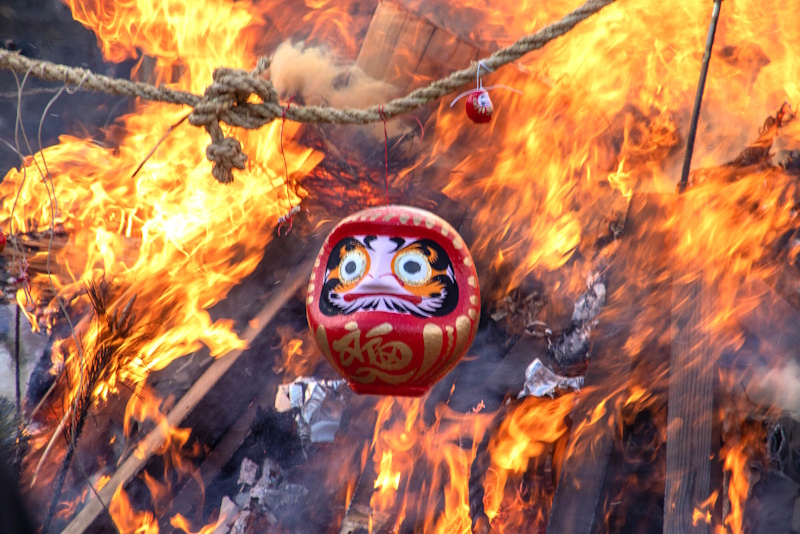
Wanna see some really cool floats? Wanna see some really cool floats fight, and then see them set on fire? Have we got the festival for you!
The Sagicho Festival, boasting a 400-year-old history, is one of Japan’s many festivals designated an Intangible Folk Cultural Property. Held in Omi-Hachiman, Shiga Prefecture, in March, the festival features 15 or so floats that compete against one another. Literally.
Each float weighs around 500 kilograms and is surrounded by around 30 dancers decked out in flamboyant clothes and hair. After being pitted against each other in a test of strength, the festival organizers declare one the winner. At the end of the celebration, all of the floats are set aflame to thank the deities who have visited and brought blessings for the season.
The Sagicho Festival reportedly dates back to the days of warlord and Japanese folk hero Oda Nobunaga, who is said to have held the festival at his castle, dressing flamboyantly and dancing among his people. After Oda died, residents moved from Azuchi to Hachiman. After being denied entry to Hachiman’s local festival, they revived Oda’s.
2026 dates: March 14th and 15th
"Noah [at Unseen Japan] put together an itinerary that didn’t lock us in and we could travel at our own pace. In Tokyo, he guided us personally on a walking tour. Overall, he made our Japan trip an experience not to forget." - Kate and Simon S., Australia

Details: Omi-Hachiman Sagicho official website (English)
Cook with village grannies in Nagano
When it comes to mountains in Japan, Mt. Fuji and Mt. Takao tend to get most of the love. But the Yatsugatake mountains, or Southern Yatsugatake Volcanic Group, is a stretch of inactive volcanoes in Nagano and Yamanashi Prefectures with its own splendid views and unique culture.
Part of that culture is the regional cuisine of Sasahara, a small village at 1,100 meters that’s part of Yamaura, a collection of small villages near Chino City. Here, villagers have spent centuries preparing their own Japanese food according to what they can grow locally.
Sadly, many of Japan’s youth are clearing out of small villages like Sasahara in favor of the big cities, where better economic opportunities await them. Fortunately, elders are keeping local food traditions alive – and inviting foreign tourists to take part.
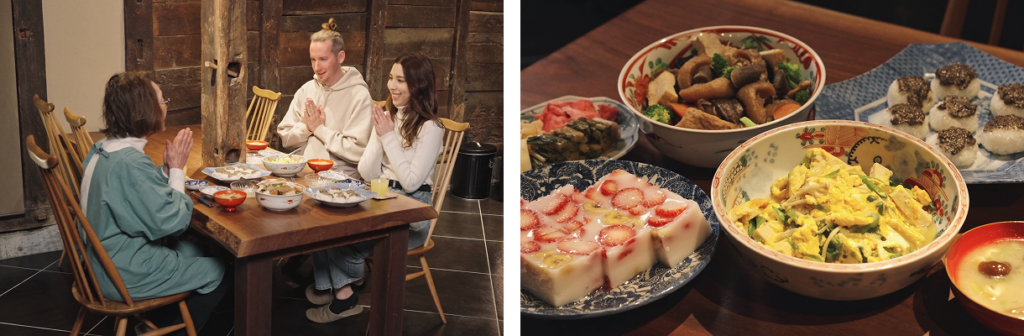
If you want a culinary experience that goes beyond sushi and ramen, check out this three-hour tour just 20 minutes by car or taxi from JR Chino Station in Sasahara, Nagano Prefecture. Village grandmas will take visitors to gather ingredients and make seasonal dishes, such as miso in March. Afterwards, you’ll get a fresh, home-cooked meal of three to four dishes – some unique to Sasahara, such as freeze-dried tofu.
Children are welcome on the tour, which includes an English-speaking guide.
Details and reservations: Chinotabi (or ask us to book on your behalf as part of your Unseen Japan Tours custom tour experience)
Build your own custom Japan tour
For other unique cultural festivals, check out our three-part guide to Japan’s lesser-known festivals. For more information on culinary experiences, see our article on custom culinary tours.
Overwhelmed putting together a Japan itinerary yourself? Worried about how well you’ll be able to get around once here? We’re here to help. Unseen Japan Tours can create a full, multi-day itinerary customized to your interests and act as your guides and interpreters. Contact us below – we’ll help you weave any of the experiences above into a comprehensive, all-inclusive tour package that will make your visit to Japan a once-in-a-lifetime experience.
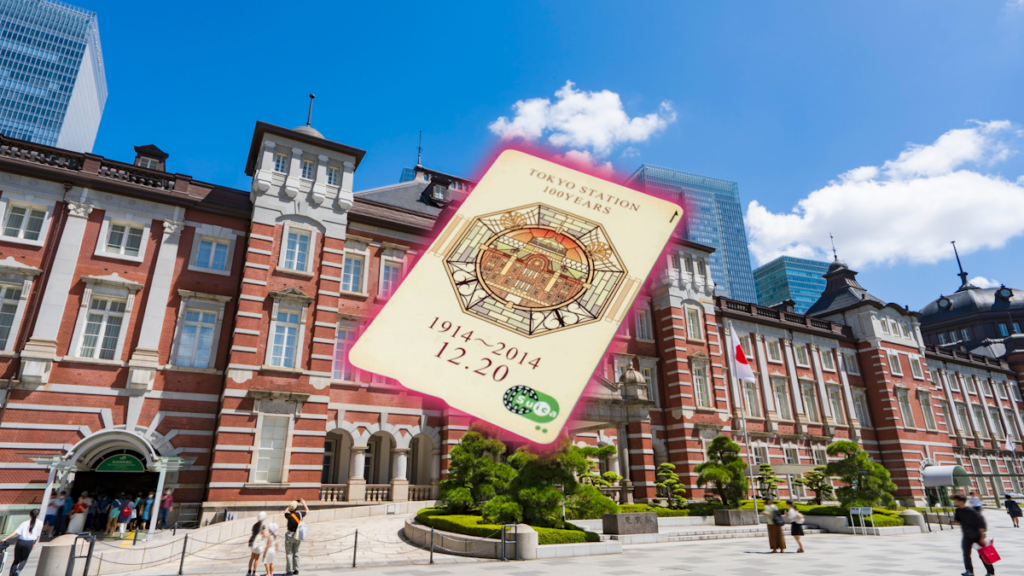
Millions of Tokyo Station Commemorative Suica Cards Set to Expire
If you have one of these cards and don’t want to lose the balance – and the card – then you have only a few days left to use it.
Kyoto City May Partially Ban Vacation Rentals to Give Residents Tourist Relief
The city’s mayor won’t rule out creating “zero-day vacation rental” zones in residential areas in response to chronic complaints.
[Insider] How I Found Myself Locked in a Love Hotel
Many love hotels don’t like it when you leave before your stay is up. Indeed, some older ones make sure you can’t.
