Suwa: One of Japan’s Best Onsen Towns You’ve Never Heard of

Onsen (温泉), or hot springs, are an important part of Japanese culture, and a big draw for travelers who don’t have the same sort of thing in their country. There are quite a few towns in Japan that are already famous for their onsen and onsen bathhouses, like Kusatsu and Gero.

Onsen are a great way for locals and travelers to relax, but popular ones can get overcrowded.

Enter Suwa: a lakeside town sitting right in the middle of Nagano Prefecture.

Suwa combines old-school bathhouses with serene lake scenery, and since it’s not very well-known, it hasn’t been choked by overtourism. With it being so compact and low‑key, it’s an ideal place for a slow weekend or a one‑night escape.

A homey vibe that doesn’t feel like a tourist trap

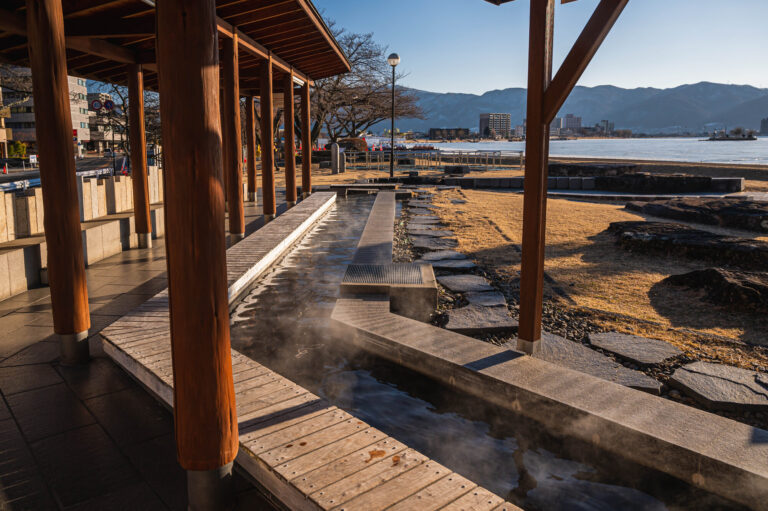
A relaxing foot bath awaits all who utilize the Kamisuwa JR East Station. Kamisuwa is a quick two-hour jaunt from Tokyo on the Azusa Chuo Line’s Azusa Limited Express. (Picture: Jay Allen / Unseen Japan)

Suwa is best known for the lake it’s named after – a wide, inland stretch of water ringed by mountains and framed by a city that feels more lived‑in than polished. Visitors often describe it as a place where you can walk, cycle, and soak without the pressure to be “productive.”

Suwa is often overlooked in favor of Hakuba, the massive ski resort town located farther north. With Hakuba getting more crowded than ever, however, more travelers are turning their sights to quieter spots like Suwa.

For me, that unhurried rhythm is part of Suwa’s appeal: it functions as an onsen town, but it’s not trying to trap travelers with touristy gimmicks.

What stands out most is the way Suwa stitches together nature and local culture. It’s not simply an onsen resort or a tourist destination. It has shrines, museums, and a calendar of festivals tied to the lake itself.

Sightseeing around Suwa: Walking tours and local legends

Suwa Grand Shrine. (Picture: Masa / PIXTA(ピクスタ))

A lakeside stroll or bike ride is one of the easiest ways to enjoy nature in and around Suwa. Think parks, open water views, and small sculptures. A roughly 16‑km path circles Lake Suwa, and its mostly flat route means you don’t have to be a hardcore hiker or biker to enjoy it. (Just make sure you’re practicing proper bicyclist etiquette.)

The city even has a “Drinking and Walking Tour” event every spring and autumn. Those who join can visit local sake breweries and enjoy tasting tours.

Suwa also has a surprising number of museums that showcase traditional parts of Japanese culture, like tea ceremony and calligraphy. For the best dose of Suwa itself, Suwa City Museum is a good first stop. It teaches about Lake Suwa’s legends, like the omiwatari ice phenomenon.

Then there is Suwa Grand Shrine, one of the region’s oldest shrine complexes. Many visitors intentionally pair a morning at the shrine with an onsen stay in the afternoon or evening. Some local Japanese-style inns even run small shuttle or tour buses to the shrine.

A wide variety of onsen to choose from

The sennin buro, or thousand-person bath, in Kamisuwa is a must-see. (Picture: T-Urasima / PIXTA(ピクスタ))

The best‑known onsen area is Kamisuwa, which sits right on the lake’s edge. So, no surprise that many inns there advertise baths that look out over the water. The atmosphere leans traditional, with relatively modest buildings and a focus on the onsen experience rather than flashy amenities.

Within Kamisuwa, Katakurakan is often recommended for day‑use bathing – especially its marble-tiled sennin buro (千人風呂), or thousand-person bath. Contrary to its name, its capacity is much closer to 100 people, but I’d say that’s still an impressive number. The interior makes you feel like you’ve stepped out of Japan and back in time to Rome.

The interior isn’t quite as nice as the pictures on the outside indicate – but it’s still nice. (Picture: Jay Allen / Unseen Japan)

To turn up the heat, there’s the Tanga no Yu area. Onsen here are known for extremely hot water that can push close to 52°C (125°F). For reference, the average body temperature is 98.6°F, so pushing it that high can be pretty intense. It’s not for everyone, but it is a favorite among onsen lovers.

Tateshina Onsen, meanwhile, sits a short distance from the immediate lakefront. It touts mountain views, fresh air, and a long‑standing reputation as a health resort. The atmosphere is a bit different as well, more “alpine retreat” than “lakeside town.” But why not? As I see it, it’s practically both a lakeside and mountain town at the same time.

You’ll probably get tired after all the walking and bathing. Before you leave the area, make sure to also try some of the local cuisine. The highlight is the region’s Shinshu soba, yet another soba variety that’s lauded for its deliciousness thanks to both the quality of Nagano’s buckwheat and its water.

A great choice to get away without going totally feral

Enjoying onsen doesn’t necessarily mean hiking up to a mountaintop vista. Suwa works especially well for travelers who want a quiet onsen trip that’s grounded in day-to-day life. The rhythm is simple but satisfying, with enough to do without feeling rushed into a checklist.

At a two-hour trip from Tokyo, getting there takes a bit, but it’s not some overcomplicated trek through the backwoods. Suwa is a city of over 40,000 people, so it’s not lacking in modern convenience.

On top of that, it offers a decent range of sightseeing options without feeling overly commercialized. A lot of the things you do there for fun feel like things the locals would do for fun, too. As a final touch, there’s enough variety in the types of onsen to suit both casual visitors and serious onsen fans.

All in all, Suwa is an amazing choice for onsen tours for those who want to escape the tourist crowds and enjoy this small slice of Japan for what it is.

To plan your trip to Suwa, check out the official tourist website. Or, ask us how you can integrate it into a larger itinerary of unseen locations across Japan.

Check Out These Four Unique Japan Cultural Experiences in Early 2026

The Japan National Tourism Organization recently announced that the country saw over 40 million visitors in 2025. Despite a decreased influx of tourists from China, 2026 is set to be another record year, as travelers from other countries fill the gap.

That means Japan’s most-popular tourist spots will remain as crowded as ever. The good news is that there are many sites, events, and experiences that still remain relatively unexplored across the country.

Coming to Japan in the next few months? If so, consider adding one of these unique experiences to your itinerary.

Izushi First Day of the Horse Festival in March

Picture: Visit Kinosaki website

Hatsu-uma (初午), or the First Day of the Horse, is a festival celebrated on the first “horse day” according to the Chinese Zodiac. It’s the day on which Inari-Ōkami, the god of foxes in Japan, is said to have descended to Mt. Inari.

Under the new calendar instituted by Japan’s Meiji government, this day typically falls in February. Some Inari-connected Shinto shrines, however, still celebrate this according to the old calendar, in which case this holiday falls in March.

One of those shrines is Arikoyama Inari Jinja in Toyooka, Hyogo Prefecture. Known for its stair-stepped torii gates, Arikoyama is also the center of the First Day of the Horse Festival in Izushi Castle Town. In the days of the samurai, this was the only day that ordinary citizens could enter shrine grounds. Arikoyama was originally built in 1604, and this festival has been a staple of the shrine for over 400 years.

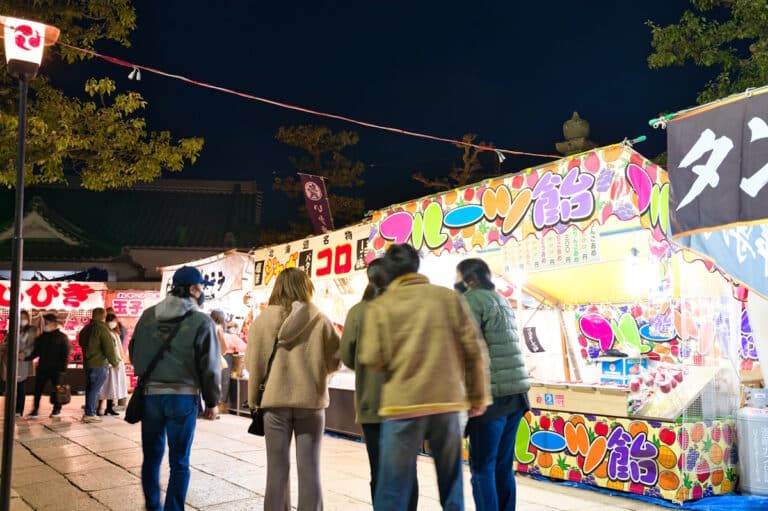
During the festival, which runs for three days in mid-March, local children dress as fox shrine maidens and form a procession down Mt. Ariko as a means of praying for prosperity throughout the year. There’s also a fox dance at a local theater, over 300 vendor stalls, a haunted house, and more.

Dates in 2026: March 14th to 16th

Details: Visit Kinosaki official website

Coffee tour in Okinawa’s Yambaru

Okinawa Coffee Nature Tour

Learn about Yambaru, roast your own coffee beans, taste what is only available here!

Coffee in Japan took root during the Meiji era, later experiencing a boom during the Taisho Era. Early on in the Meiji period, enterprising coffee growers in Okinawa planted coffee trees from Indonesia. Those trees survived the war and still grow today in the Yambaru, the northern forested area of the main island.

Even many people in Japan, however, don’t know that Okinawa produces coffee. The trees yield a small crop yearly, and little of that yield is exported to mainland Japan.

To introduce people to Okinawa coffee, Oriental Hotel Okinawa Resort & Spa offers a unique half-day tour that starts at Nakayama Coffee Farm, where visitors learn about the roasting process. After that, a guide takes tourists to the trees themselves via a scenic hike up a mountain through the verdant Yambaru. The tour ends with an optional spa visit so that weary hikers can soak their bones and recover.

Details and bookings: Okinawa Coffee Nature Tour (or ask us to book on your behalf as part of your Unseen Japan Tours custom tour experience)

Sagicho Festival: The Festival of Blazing Floats

Picture: petapon / PIXTA(ピクスタ)

Wanna see some really cool floats? Wanna see some really cool floats fight, and then see them set on fire? Have we got the festival for you!

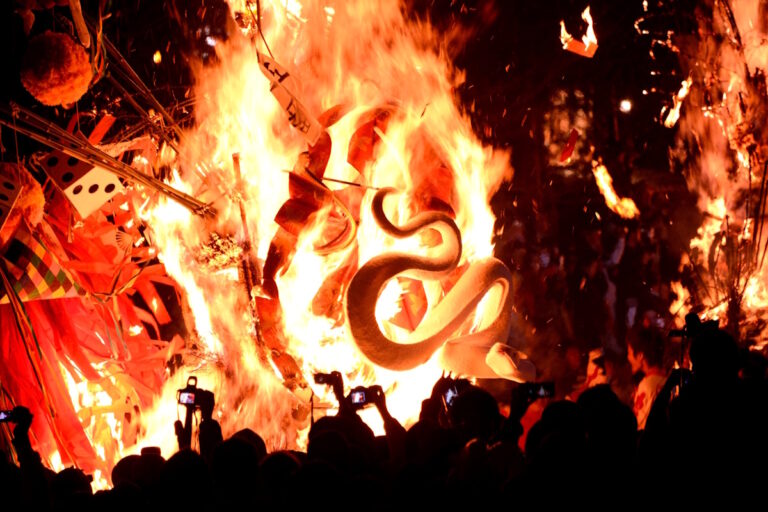
The Sagicho Festival, boasting a 400-year-old history, is one of Japan’s many festivals designated an Intangible Folk Cultural Property. Held in Omi-Hachiman, Shiga Prefecture, in March, the festival features 15 or so floats that compete against one another. Literally.

Each float weighs around 500 kilograms and is surrounded by around 30 dancers decked out in flamboyant clothes and hair. After being pitted against each other in a test of strength, the festival organizers declare one the winner. At the end of the celebration, all of the floats are set aflame to thank the deities who have visited and brought blessings for the season.

The Sagicho Festival reportedly dates back to the days of warlord and Japanese folk hero Oda Nobunaga, who is said to have held the festival at his castle, dressing flamboyantly and dancing among his people. After Oda died, residents moved from Azuchi to Hachiman. After being denied entry to Hachiman’s local festival, they revived Oda’s.

2026 dates: March 14th and 15th

Details: Omi-Hachiman Sagicho official website (English)

Cook with village grannies in Nagano

Left: Two people sitting down with a village elder in Sasahara
Picture: Chino Tourism Organization

When it comes to mountains in Japan, Mt. Fuji and Mt. Takao tend to get most of the love. But the Yatsugatake mountains, or Southern Yatsugatake Volcanic Group, is a stretch of inactive volcanoes in Nagano and Yamanashi Prefectures with its own splendid views and unique culture.

Part of that culture is the regional cuisine of Sasahara, a small village at 1,100 meters that’s part of Yamaura, a collection of small villages near Chino City. Here, villagers have spent centuries preparing their own Japanese food according to what they can grow locally.

Sadly, many of Japan’s youth are clearing out of small villages like Sasahara in favor of the big cities, where better economic opportunities await them. Fortunately, elders are keeping local food traditions alive – and inviting foreign tourists to take part.

If you want a culinary experience that goes beyond sushi and ramen, check out this three-hour tour just 20 minutes by car or taxi from JR Chino Station in Sasahara, Nagano Prefecture. Village grandmas will take visitors to gather ingredients and make seasonal dishes, such as miso in March. Afterwards, you’ll get a fresh, home-cooked meal of three to four dishes – some unique to Sasahara, such as freeze-dried tofu.

Children are welcome on the tour, which includes an English-speaking guide.

Details and reservations: Chinotabi (or ask us to book on your behalf as part of your Unseen Japan Tours custom tour experience)

Build your own custom Japan tour

For other unique cultural festivals, check out our three-part guide to Japan’s lesser-known festivals. For more information on culinary experiences, see our article on custom culinary tours.

Overwhelmed putting together a Japan itinerary yourself? Worried about how well you’ll be able to get around once here? We’re here to help. Unseen Japan Tours can create a full, multi-day itinerary customized to your interests and act as your guides and interpreters. Contact us below – we’ll help you weave any of the experiences above into a comprehensive, all-inclusive tour package that will make your visit to Japan a once-in-a-lifetime experience.


[elementor-template id=”74832″]

Japan Tourism Sees Busiest October Ever as Municipalities Strategize on Overtourism

Japan saw another record month for inbound tourism, setting a new record for October visitors, as the country’s fall colors lure more inbound travelers. But it’s not all smooth sailing. Threats from China and the looming specter of overtourism are complicating Japan’s attempts to profit from its worldwide reputation as a premier travel destination.

17.6% increase in inbound tourists

According to the Japan National Tourism Organization (JNTO), Japan welcomed 3,896,300 visitors in October 2025. That’s a 17.6% increase over 2024.

As of October 2025, Japan has welcomed 35,547,200 visitors this year. At this pace, it will surpass the government’s goal of exceeding 40 million visitors this year.

The stellar numbers continue the rebound from June and July, when traffic to Japan slowed due to the hot summer months. The country also suffered a minor setback as rumors of a mega-tsunami torpedoed travel from Hong Kong, a primary source of tourism.

South Korea remains the leader in inbound tourism, with 867,000 visitors, an 18.4% increase. Travel from China also continued to recover, with 22.8% more visitors making the journey. Taiwan, the United States, Hong Kong, and Thailand rounded out the top visitors’ list.

Russia also saw an unexpected uptick in travelers to Japan. The number of Russian travelers increased by 91.7%, from 15,701 in October 2024 to 30,100 this year.

The latter half of the year is a wonderful time to travel to Japan, as the country’s dire summer heat gives way to beautiful fall foliage.

The China factor

While October was a banner month, it remains to be seen if November can match it. One X factor is China, which is currently urging its citizens to avoid travel to Japan based on remarks made by Prime Minister Takaichi Sanae regarding Taiwan.

Takaichi said during a session of Japan’s National Diet that the country could come to Taiwan’s defense if its existence were threatened by a Chinese invasion. That led China’s government to call for citizens to suspend their travel plans to the country.

There are signs that the call is already having a negative effect on travel. One hotel chain reports over 1,000 cancellations from Chinese customers between now and year’s end. A Hong Kong-based paper, the South China Morning Post, also reported that 491,000 flights from China to Japan have been canceled. That would account for 32% of all air travel between the two countries.

Inbound travel from China recovered slowly after the COVID-19 pandemic due to a dispute between the two countries over wastewater release from Fukushima power plants. A 2024 report found that sentiments between the two nations remained at a low ebb. That appeared to be changing this year with the resurgence of Chinese tourism.

Nagano weighs fees to Kamikōchi due to trash problems

Picture: denkei / PIXTA(ピクスタ)

Japan’s government is likely thrilled with the numbers, as it means more money for municipalities and local businesses that are increasingly dependent on tourism dollars. However, the influx of tourism has also left a lot of tourism hotspots scrambling to deal with the impact of overtourism.

According to local reports, the Kamikōchi area in Nagano Prefecture is the latest tourist-heavy area struggling to handle the increasing number of visitors. The area, part of Chūbu-Sangaku National Park and a designated natural landmark of Japan, has seen over 1.56 million visitors this year. That’s resulted in a huge trash problem, with visitors leaving their garbage strewn across the natural landscape.

That’s leading the city of Matsumoto to consider imposing a fee for all visitors. The city says it’ll investigate the feasibility of such a fee and produce a report by year’s end.

It wouldn’t be the first tourist attraction in Japan to impose fees and restrictions on visitors. Both the Yamanashi and Shizuoka entrances have implemented fees and reservation systems to control congestion on hiking trails.

The two prefectures have also contemplated charging hikers who require helicopter rescue. Fuji has seen an uptick in unprepared travelers getting stuck while tackling the climb during the off-season. In one notorious case, a Japanese resident had to be rescued twice – the second time when he went back for his smartphone.

Sources

訪日外客数(2025年10月推計値). JNTO

日本行き空路49万件キャンセル 中国自粛呼びかけ、香港紙. 47News

中国政府の渡航自粛呼びかけ、宿泊・航空券キャンセルやツアー中止相次ぐ…日本の観光業界に影響. Yomiuri Shimbun

Nagano’s Ski Slopes Can’t Accommodate The Tourist Demand

It’s winter, which means many travelers to Japan are flooding into the country to hit the ski slopes. Only one problem: some are finding it hard to book a reservation. The problem? As demand spikes due to record tourism, Japan’s aging population has left popular ski areas like Nagano Prefecture’s Hakuba without the facilities to accommodate them.

As with every other area of Japan, tourism to Nagano has exploded. Data from the prefecture says that it welcomed 951,217 visitors in 2023 – a 7.1x increase from the previous year. The majority of those come from Taiwan, Australia, and Hong Kong. Many visitors, particularly from Australia, start booking reservations as soon as spring ends.

The result is that many facilities such as Nozawaonsen are booked for January and February well before the winter hits. One ski lodge owner says they have to refuse requests from people who call near end of the year who don’t understand how quickly everything books up.

The problem is that, while demand is high, supply is dwindling. As facility owners age out, the lodges close if they don’t have anyone to pass on their legacy to. (We’re seeing the same phenomenon with ramen restaurants closing because the owners have no heir.)

A company that looked at the number of lodges in the Hakuba area found that there are 44 ski lodge facilities in the area – a reduction of 39 since 1998. They estimate that, by 2035, there will only be 24 lodges left.

Experts say that, without additional investment in ski resorts, it’ll be hard both to keep visitors coming in and to preserve the area’s charm and beauty. Foreign investors are starting to snap up lodges that don’t have heirs. However, that’s also led to a temporary dip in available lodging as the new owners close rooms for renovation.

What does this mean for the future? Lodging in Nagano ski areas will likely remain tight for several years to come. Additionally, it’s gonna cost you. Once known as an affordable vacation area, areas such as Nozawaonsen are getting pricier as inbound tourists search out ritzier, more stylish facilities.

Explore Japan’s Most Breathtaking Blue Water Spots

From crystal-clear lakes to vibrant coastal waters, Japan’s breathtaking “blue water” spots showcase the stunning beauty of nature’s blue hues. Join us as we journey across Japan to uncover the most mesmerizing “blue” scenery that will make your trip unforgettable, all the way from Hokkaido to Okinawa.

Biei Shirogane Blue Pond (Hokkaido)

Biei Shirokane Blue Pond light-up event
The illumination event at Biei Shirokane Blue Pond is a wonder to behold. (Picture: genki / PIXTA(ピクスタ))

The “Blue Pond” in Japan is a captivating and mysterious spot where the calm waters reflect the surrounding trees like a mirror. This natural wonder becomes even more enchanting from November to February when it’s illuminated, drawing couples for romantic photos. Cool off with their exclusive “Blue Lake Soft Serve” or “Blue Lake Soda” as you take a stroll along the pond.

The pond’s striking blue or emerald hue is due to high aluminum levels in the water, which scatters short-wavelength blue light. The Blue Pond is sourced from the Biei River and a tributary near Shirogane Onsen, which carries sulfur and other minerals. When these waters mix, they create invisible “colloids.”

Sunlight scattering off these colloids emphasizes the blue light, giving the pond its unique color. Additionally, the white soil at the pond’s bottom may enhance this blue effect, making the colors even more vivid.

Be sure to set aside plenty of time for your visit, as the designated parking lot can fill up, leading to delays in getting in and out. The best way to get there is by car or a tour bus.

[Address] 北海道上川郡美瑛町白金 (Shirokane, Biei, Kamikawa District, Hokkaido)

[Website] Hokkaido Biei

Lake Mashu (Hokkaido)

Lake Mashu, Hokkaido
Picture: denkei / PIXTA(ピクスタ)

Lake Mashu, known as “Kamuito” in the Ainu language, is often called the “Lake of the Gods” due to its mysterious allure and stunning beauty. Renowned for having the clearest waters in Japan, its deep blue color, known as “Mashu Blue,” shifts with the movement of clouds, creating a mesmerizing spectacle. The blue hue is a reflection of the sky on the lake’s pristine waters, which appear even more vivid on calm, windless days.

Surrounded by steep cliffs, Lake Mashu is inaccessible by foot, adding to its enigmatic charm. As part of a specially protected national park, this mystical lake has drawn visitors for generations, captivated by its ethereal beauty and tranquil atmosphere.

If the weather is right, you can catch a stunning sea of clouds from June to October. The combination of the deep-blue lake and the glowing sunrise is one of the most incredible sights you’ll ever see.

Don’t miss its breathtaking views from the observation deck and the beautiful hike around the lake. Lake Mashu is a 15 to 20-minute drive from Mashu Station in Teshikaga. While the easiest way to reach it is by car, buses run occasionally between the station and the lake year-round. Public transportation options are available, but they are limited.

[Address] 北海道川上郡弟子屈町原野 (Genya, Teshikaga Town, Kawakami District, Hokkaido)

[Website] Teshikaga Navi

Kamikochi (Nagano)

Kamikochi, Nagano
Picture: gonbe / PIXTA(ピクスタ)

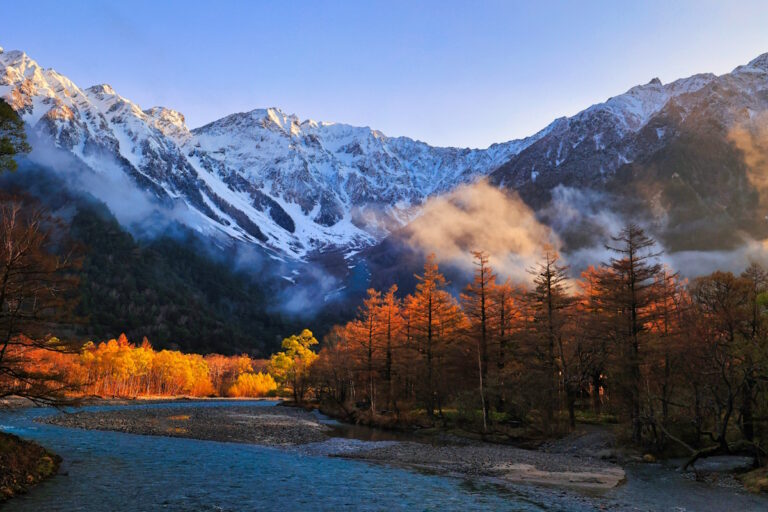
A popular hiking destination, Kamikochi features rivers and ponds with stunning emerald-blue waters. Situated in Matsumoto City, Nagano Prefecture, Kamikochi is a renowned mountain scenic spot that is part of the Japan Alps.

Recognized as a Special Scenic Spot and Special Natural Monument, it attracts over 1.2 million visitors annually. The area offers a range of experiences, from leisurely strolls and challenging hikes to overnight stays under the starry sky. The area is also known for its hot springs, and you’ll find numerous ryokans and lodge houses nearby.

The Kamikochi area is accessible from mid-April to November 15 each year. Since the opening date may vary depending on the schedule of the Prefectural Road Kamikochi Park Line, it’s best to check the official website before your visit.

Note that the destination is not fully accessible by car. You must park at a nearby lot and take a taxi through the tunnels up the mountain. Alternatively, you can opt for a shuttle bus from Tokyo that goes directly to the Kamikochi resort area.

[Address] 長野県松本市安曇上高地 (Azumi Kamikochi, Matsumoto City, Nagano Prefecture)

[Website] Japan Alps Kamikochi- Official Website

Shimako (Gunma)

Gunma Prefecture
Picture: OOkimu / PIXTA(ピクスタ)

Experience the captivating “Shimako Blue” of Lake Shimako, located in the Agatsuma District of Gunma Prefecture. The Shimako is easier to reach from Tokyo compared to the other scenic spots introduced in this article. This artificial lake, formed by the Nakanojo Dam near the picturesque Shimura Onsen, is renowned for its striking and ever-changing blue hues.

The lake’s 4-kilometer perimeter can be explored by car, though driving is not possible in winter. You can also enjoy water activities like canoeing and stand-up paddleboarding (SUP) on its remarkably clear waters.

Paddling on the lake provides a unique sensation of floating in mid-air. Many visitors join canoe tours organized by companies such as Green Discovery. However, if you have your own canoe or boat, you can arrange to use it by contacting the dam management office in advance. Enjoy both the stunning views and immersive water activities.

The best time to view this enchanting color is from late March to late May when the lake, filled with snowmelt, shines most brightly under a clear sky.

[Address] 群馬県吾妻郡中之条町四万 (Shima, Nakanojo-cho, Agatsuma-gun, Gunma Prefecture)

[Website] Shima Onsen Website

Nikobuchi – “Niyodo Blue” (Kochi)

Niyodo Blue - Nikobuchi, Kochi Prefecture
Picture: kazukiatuko / PIXTA(ピクスタ)

“Niyodo Blue” is a popular sightseeing spot in Kochi Prefecture, renowned among photography enthusiasts for its stunningly clear blue water and sky. The Niyodo River, which flows through the center of Kochi Prefecture, is a pristine stream that has repeatedly been named the “river with the best water quality” by the Ministry of Land, Infrastructure, Transport and Tourism. The locals have dubbed its beautiful color “Niyodo Blue.”

This river creates several picturesque spots, such as “Nikobuchi” and “Nakatsu Gorge,” with Nikobuchi, a tree-surrounded waterfall basin, being particularly famous for its mysterious atmosphere. Despite being deep in the mountains, this area has become increasingly popular.

Accessing Nikobuchi and nearby sites like Yasui and Nakatsu Valleys is easiest by car, taking about 70 minutes from Kochi City. Taxis with hourly charters are available for those who are uncomfortable driving. Public transportation is limited, with considerable walking required from bus stops. Parking is available near Nikobuchi, but street parking is discouraged.

[Address] 高知県吾川郡いの町清水上分1278 (1278 Shimizukamibun, Ino-cho, Agawa-gun, Kochi Prefecture)

[Website] Niyodo Blue!

Yohana Beach (Okinawa)

Yohana Beach, Okinawa
Picture: インディ / PIXTA(ピクスタ)

Dubbed the “prettiest beach in Asia,” Yonaha Maehama Beach on Miyako Island is a stunning 7km stretch. The beach features pristine white sand and crystal-clear waters, often called “Miyako Blue.” This breathtaking beach is also the starting point for triathlons. It offers a range of marine activities, including jet skiing and snorkeling.

The Kurima Ohashi Bridge enhances the beach’s beauty by connecting Kurima Island and Miyako Island, creating a picturesque backdrop. The tranquil, gently curving shoreline is perfect for a romantic sunset. Early mornings offer a peaceful retreat from the crowds.

Yonaha Maehama Beach combines emerald-green waters with pure white sand, making it one of Japan’s most beautiful beaches. Visitors from around the world are captivated by its charm.

As a matter of fact, all the beaches in Okinawa are beautiful, featuring emerald green and blue waters. It’s what makes the Ryukyu Islands a popular summer destination for Japanese people seeking a beach resort getaway.

[Address] 沖縄県宮古島市下地与那覇1199 (1199 Shimoji Yonaha, Miyakojima City, Okinawa)

[Website] Japan National Tourism Organization

Conclusion

As you explore Japan’s stunning blue destinations, from the tranquil waters of Hokkaido’s Blue Pond to the pristine beaches of Okinawa, you’ll witness the incredible natural beauty that makes these locations special. As you enjoy these breathtaking spots, it’s important to be mindful of local customs and respect the natural environment, ensuring that these beautiful places remain preserved for all of us to appreciate.