
In the past year, two high-profile murders resulting from stalking have led the Japanese public to demand that the police do more to protect women. In response, Japan’s Ruling Liberal Democratic Party (LDP) is recommending the country take a page out of South Korea’s textbook by tracking the worst offenders.
Oddly, telling stalkers to “seek help” isn’t working

Currently in Japan, police can’t do much when it comes to stalkers, even after a restraining order is issued. To date, police action has consisted of either telling the victim to move or suggesting to the stalker that they seek psychological treatment.
You’ll be shocked to learn that asking stalkers pretty please to get help hasn’t worked. Fewer than six percent of perpetrators voluntarily seek police-recommended counseling.
The results have been catastrophic for victims, who are mostly women. In March 2026, a man brutally murdered his ex-girlfriend at the Ikebukuro Pokémon Center in Tokyo. The 21-year-old victim, Harukawa Moe, had spent months in hiding but didn’t want to upend her life and quit her dream job at the Center. Police had arrested her ex at one point, but released him with a fine.
It was the second recent case that underscored the cost of police inaction. 20-year-old Okazaki Asahi was killed by her 27-year-old ex after reporting him to the police nine separate times for stalking. It took cops four months to arrest 27-year-old Shirai Hideyuki for the murder.
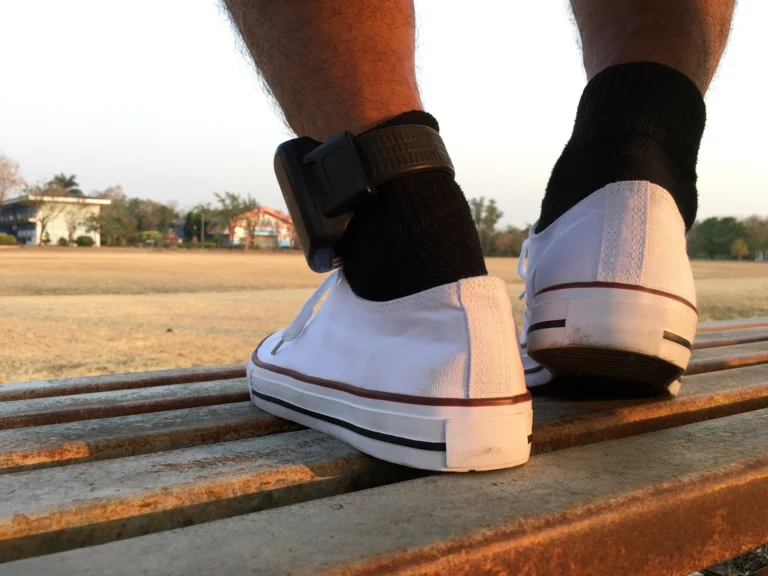
In response to public outcry over the Ikebukuro murder, the Liberal Democratic Party’s Security, Counter-Terrorism, and Cybercrime Countermeasures Research Council has finalized a proposal to amend the Stalking Regulation Act to fit anyone who has received a restraining order with a GPS monitor. The monitor would automatically alert the victim if their stalker comes near them. The proposal would also make counseling mandatory for such offenders.
Question: do you like UJ's independent coverage of Japan? Our writers are supported by our members. Join Unseen Japan Insider to get bonus content every week, an ad-free website, and access to our large and growing Insider archive.We manage to keep most of our content free thanks to the generosity of our members. Join Unseen Japan Insider and you'll get access to new, exclusive UJ member content weekly, an ad-free website, and access to our large and growing Insider archive.
JP social media: protect victims’ rights, not perpetrators’ rights
The proposal has a way to go before it becomes law. It’s likely that some legislators and legal groups may oppose this stricter treatment of offenders on human rights grounds.
South Korea has outfitted sexual offenders with ankle monitors since 2008. In 2024, it began putting them on stalkers. Around 4,800 people now wear such devices. While some people originally objected to the system on human rights grounds, those voices have died down after several high-profile crimes.
The system isn’t perfect. South Korean media has highlighted cases where victims missed alerts or the alerts didn’t arrive in time. Despite these gaps, authorities say it’s working: recidivism among sex offenders is down to one-eighth its previous level.
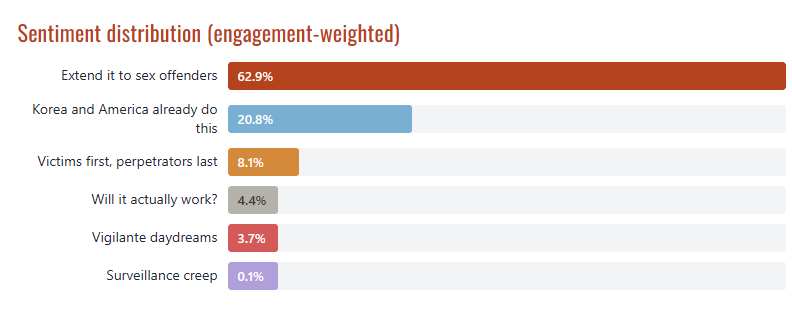
If human rights concerns are going to crop up, that’s not obvious in online reaction to the news. Commenters on X welcomed the news, with over 62% saying Japan should go further.
“Not just stalkers. Sex offenders across the board,” wrote one poster whose comment earned over 600 likes. “Protect victims’ rights, not perpetrators’ rights.”
Stalking: a rising problem in Japan

Japan’s Stalker Regulation Act has been on the books since 2000. Multiple revisions, however, have done nothing to curb violence.
On the plus side, enforcement has expanded. Stalking arrests in Japan set a new record in 2024, rising by 24.1% from the prior year. Police fielded over 19,000 stalking consultations, and courts issued prohibition orders in 2,415 cases, a 23% increase. However, it did little to curb violence: the period from 2020 to 2024 saw three murders and 49 attempted murders.
The Act was amended in 2025 after the Kawasaki murder to allow police to issue warnings to stalkers even when the victim didn’t file an official complaint, as happened in that case. Often, women end up not filing because they’re too frightened about repercussions, or are afraid police won’t take them seriously.
The Act was already amended once this year to criminalize the use of GPS tracking devices by perpetrators to track victims. If approved, the new revisions would turn the tables on perpetrators, using the same device they use to harass their targets to curb their behavior.
Keep reading




Sources
ストーカー加害者にGPS 自民案、被害者へ接近通知 東京新聞デジタル
ストーカー加害者にGPS 自民案、被害者へ接近通知(共同通信) Yahoo!ニュース / 共同通信
自民調査会 ストーカー対策で提言案 加害者にGPS機器装着も NHKニュース
ストーカー禁止命令が過去最多、やまぬ被害 加害者治療の受診率5% 日本経済新聞
ストーカー検挙24%増、過去最多 禁止命令は初の2000件超え―警察庁 時事ドットコム
令和6年におけるストーカー事案・配偶者からの暴力事案等の対応状況について(広報資料) 警察庁
ストーカーにGPS「電子足輪」装着で韓国社会はどう変わったか…厳罰化で多くのストーカー犯罪があぶり出されている JBpress
ストーカー加害者にGPS装着案 「接近禁止だけでは守れない」日本社会が直面する現実 coki(公器)
池袋ストーカー殺人事件 Wikipedia (ja)
電子監視 Wikipedia (ja)