
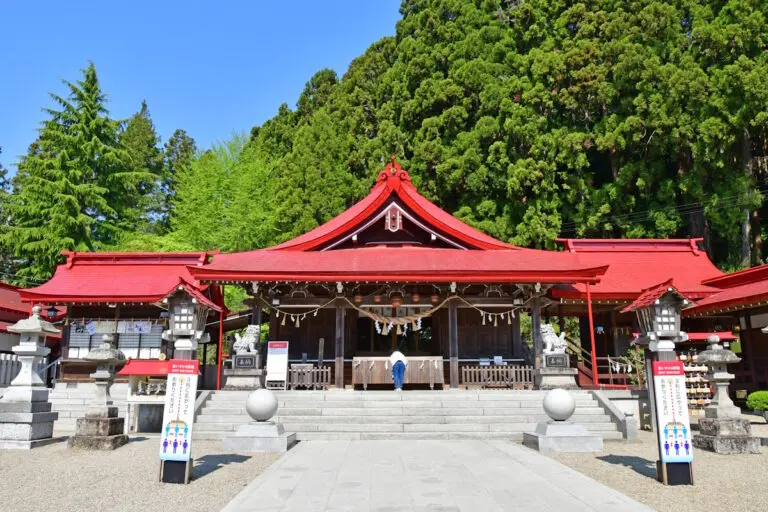
Kanahebisui Shrine (金蛇水神社, Kanahebisui Jinja), a relatively low-profile shrine near Sendai Airport, has quietly become one of Japan’s fastest-growing inbound tourism spots—and it happened pretty much by accident.
What is Kanahebisui Shrine?
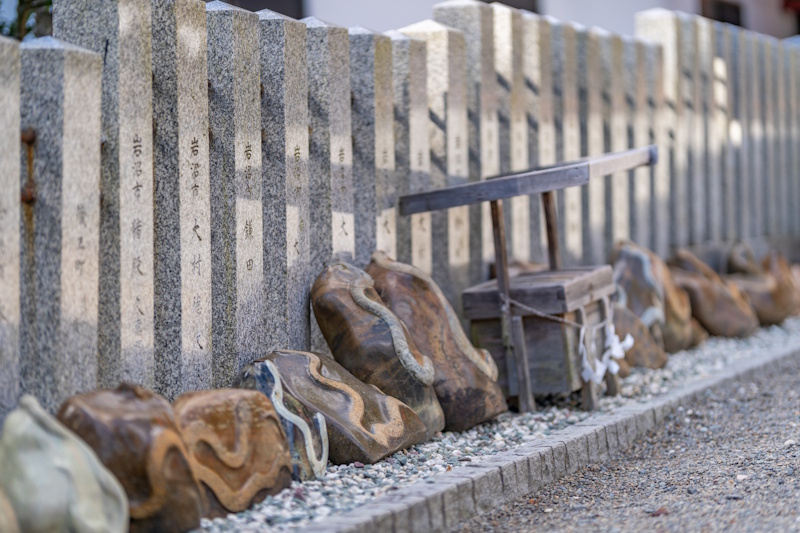
Kanahebisui Shrine is located in Iwanuma City, Miyagi Prefecture. This shrine is best known for the snake-patterned stones in front of the main building. Rubbing them is supposed to bring all sorts of good things, but mainly luck with money.
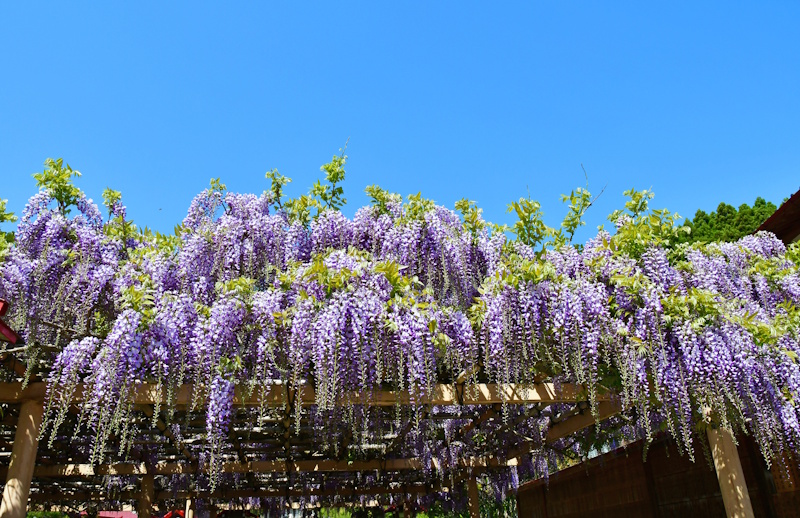
It’s a beautiful shrine, complete with a pond and a 300-year-old wisteria tree on its grounds. Recently, it even added a sleek new café and gift shop for visitors. However, it doesn’t quite have the same cultural heritage or historical significance as shrines like Fushimi Inari and Nikko Toshogu.
And yet, in 2025, Iwanuma City recorded a staggering ninefold year-on-year increase in foreign visitors staying longer than 30 minutes. That’s the highest growth rate in the country, and most of those visitors were beelining straight to Kanahebisui.
Iwanuma itself isn’t exactly a household name, so what exactly is drawing people to one of its shrines? In three words: location and algorithm.
Proximity to Sendai Airport and search engine power
Iwanuma sits just minutes from Sendai Airport, the main international gateway into the Tohoku region. More than half of the city’s foreign visitors arrive through that airport. And when they land, pull out their phones, and search for “things to do nearby” in English, Kanahebisui Shrine reliably shows up near the top of the list.
As it turns out, proximity and search visibility make for a killer combo.
No viral TikTok or Instagram post turns up in this particular recipe. After arriving at the airport, a traveler finds they have some time before hotel check-in. So, they open a search on their smartphone, see a nearby shrine with decent reviews, and decide to stop by.
With enough people passing through an airport, it’s easy to see how a ninefold spike to a small, non-metropolitan city could happen.
Pulling travelers away from the Golden Route
For the longest time, the only cities that most people wanted to travel to in Japan were Tokyo, Kyoto, and Osaka – i.e., the Golden Route. A small city becoming a huge destination would’ve been nearly impossible just a few years ago, but it’s been happening more and more lately.
In many ways, it’s a preview of how tourism in Japan is changing. Travelers are relying less on pre-planned itineraries and more on unique, custom itineraries coupled with real-time discovery.
This shift comes as Japan’s inbound numbers continue to rise. March 2026 alone saw a record 3.62 million foreign visitors, and the country is on track to hit around 41 million for the year. At the same time, regions like Tohoku have been actively trying to pull travelers away from the crowded Golden Route.
In that sense, Kanahebisui Shrine is both a success story and a warning sign.
The pros and cons of tourist traffic
Miyagi Prefecture has generally welcomed the diversification. Until recently, inbound tourism in the area was led by places like Zao Fox Village and Zuihoden, the mausoleum of Date Masamune. Kanahebisui’s sudden rise shows that new destinations can emerge without major marketing campaigns or cultural rebranding.
The problem is that the infrastructure hasn’t caught up. Locals have started reporting crowding and parking issues around Kanahebisui Shrine, which was never designed to handle the endless streams of international visitors.
This is, unfortunately, a familiar pattern: a quiet place gets discovered, foot traffic spikes, and friction follows. For locals, a place that was once home can suddenly feel like it’s being trampled, or its privacy destroyed. If it gets bad enough, officials will put measures in place to deter tourism.
Just look at Watadzumi Shrine in Tsushima, Nagasaki. It outright banned foreign tourists after one committed a serious act of disrespect to the shrine. What that act was is unclear, but many speculated that the tourist had vandalized the shrine itself.
While it’s impossible to control every single person who walks in, this is just one example of why crowd management is so important.
The future of sightseeing as determined by algorithms
Kanahebisui Shrine’s convenient proximity to a major airport presents a unique problem. With social media trends, you can block the view or wait for it to die out. Fads rarely last longer than a few months, if that. But since it’s more about the shrine’s location and algorithmic discovery, the answer is not so easy.
For Iwanuma, the challenge now is figuring out how to handle a spotlight it never really asked for – and how to do it before a small, local shrine turns into the next overtourism case study.
Address: Shihongi-7 Miiroyoshi, Iwanuma, Miyagi 989-2464
How to get there: Want to check it out yourself? An easy way to do this if you’re on the Golden Route is to catch a direct flight from Osaka – they’re cheap, sometimes even below 10K yen ($62). From there, rent a car for the short drive to Iwanuma.
From Tokyo, your best option will be the Tōhoku Shinkansen, which will get you to Sendai Station from Tokyo Station in about 1.5 hours for around 12K yen ($75) per person. To book your Shinkansen ticket, check out our friends from Inbound Platform (affiliate link) – they’re easy to use, affordable, and known for their excellent English language customer service.
Keep reading
Sources
【なぜ?】ある“神社”の存在が…インバウンド増加率『全国1位』!宮城・岩沼市. Yahoo! News / ミヤギテレビ
前年比9倍!「宮城県南部」にインバウンドが急増したワケ. Yahoo! News / Merkmal
インバウンドの30分以上の滞在が増加した地域、2025年トップは宮城県岩沼市、前年比9.33倍. Travel Voice
【2026年最新】宮城で外国人に人気の観光スポット:瑞鳳殿が3位、1位は?. 訪日ラボ
前年比9倍!「宮城県南部」にインバウンドが急増したワケ. dメニューニュース / Merkmal
宮城県の宿泊者数の増加 外国人の宿泊者が増える. khb東日本放送
宮城県観光統計概要. 宮城県公式ウェブサイト
金蛇水神社 | Kanahebisui Shrine Visit Miyagi