“Kira kira” (sparkling) names – Japanese first names whose kanji readings differ dramatically from their standard pronunciations – have gotten out of control. To stem the tide, a new law coming into effect next year will demand that parents giving their kids kira kira names explain themselves.
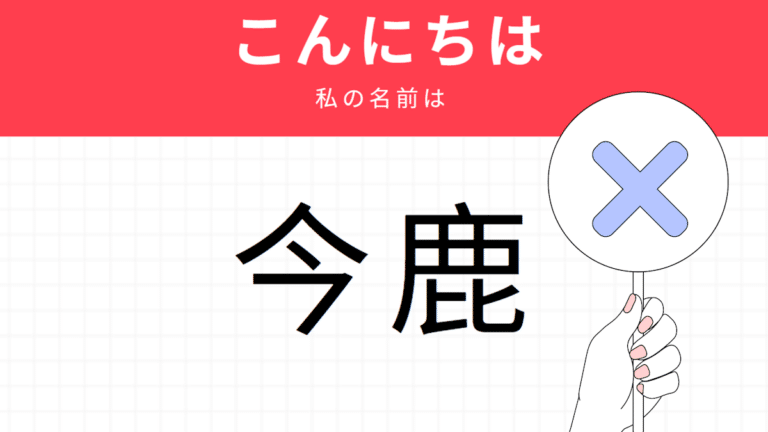
Kira kira names took off starting in the 1990s and have grown in popularity sense. In a kira kira name, a name like 可愛, typically pronounced Ai, might be pronounced Pinku, or 月 – tsuki, moon – might be pronounced Raito (Light), like the anti-hero of the popular series Death Note.
As a result, many kira kira names are difficult to pronounce. Others, like 黄熊, read Pooh (as in Winnie The) or 光宙 for Pikachu, open up a kid to ridicule or harassment at school. That’s led many people in Japan to call for a crackdown to protect kids from insensitive or unthinking parents.
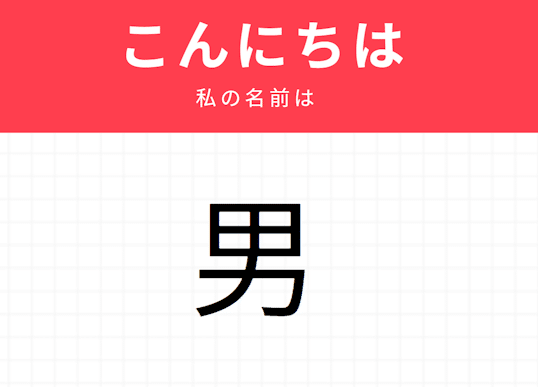
Under a proposed revision to the Family Registration Act set to come into effect on May 26th, parents who use kira kira names will now need to explain why. The government says that local governments should, generally, approve any names that are “rational.”
What sort of names won’t be approved? As an example, the law cites the name 太郎 (Taro, タロウ). Readings such as Saburo (サブロウ) or, even more controversially, George (ジョージ), would be rejected for having no connection to the underlying characters.
Online commenters in Japan seem to approve of the change generally. “A name is a present parents give to their kids who managed to be born into the world,” one wrote. “I seriously feel sorry for kids whose parents pick names like Pooh or Pikachu casually or on a whim.”