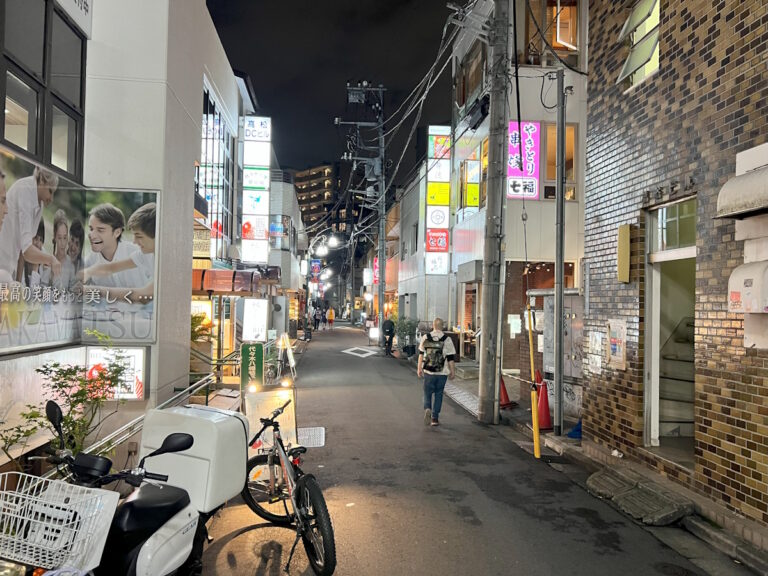

People around the world love Japan’s convenience stores (konbini). Whether it’s for Famichiki or Lawson’s egg salad sandwich, many hit their favorite konbini as their first stop on any trip.
But I’ve noticed something odd while living here. While konbini are highly rated around the world, none receive five stars from the home crowd.
I noticed this recently when I had to renew my driver’s license in Tokyo’s Samezu neighborhood in Shinagawa Ward and decided to grab lunch after at a 7-Eleven. The first 7 I found was rated only 2.8 stars and…well, it certainly lived down to that rating.
So, I found another one nearby: Samezu Seaside 7-Eleven. Ladies and gentlemen, the Samezu Seaside 7-Eleven is a perfect example of konbini done right. The fresh lunch section was ippai. The hot food case was pan-pan. It even had an L-shaped seating area with room for at least 20 hungry souls to chow down.
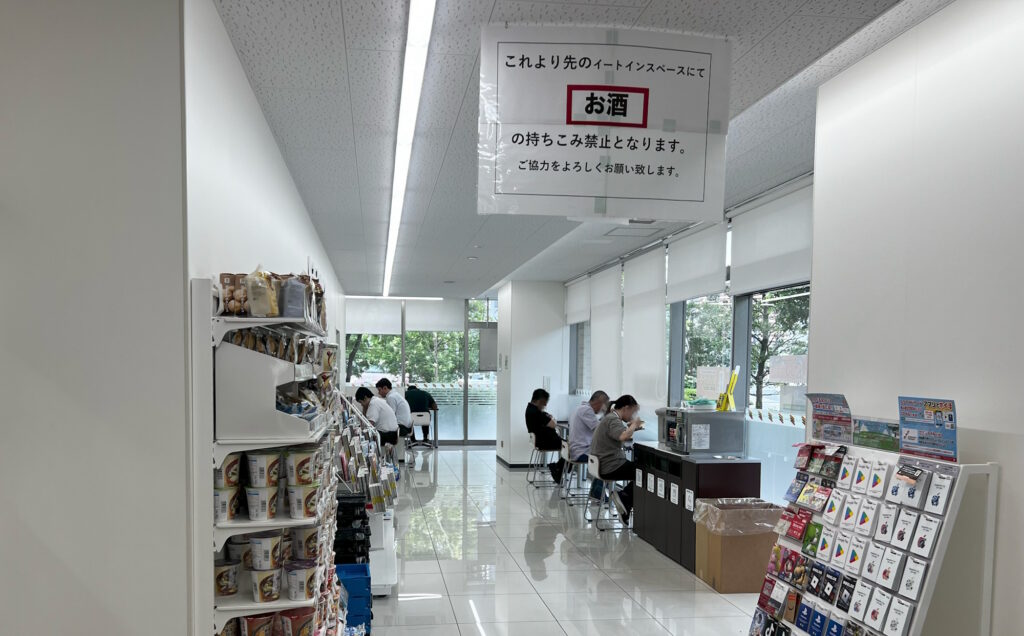
So I was shocked to see that this 7-Eleven only managed a meager 3.9-star rating on Google. It dawned on me: I have rarely seen any konbini rated more than 3 stars.
Most people whom I brought this up with waved it away as a by-product of how Japanese people assign ratings relative to the West. Japanese people just give stores lower ratings, they shrugged.
But that’s not the full story. There are plenty of places around Japan that earn 4.8 or even higher reviews for their service from Japanese-language reviewers. (Two off-hand examples: yakiniku restaurant D29 in Hiroo and concept cafe Diner & Bar Neon in Kabukicho.) Additionally, konbini get ranked poorly even in highly-trafficked tourist areas, where you’d expect more reviewers from foreign tourists.
No, konbini reviews are especially poor. Even popular, well-trafficked konbini in tourist areas get the short end of the stick. I analyzed Google Reviews from over 300 konbini across Japan to find out why, and to see which of the three major konbini chains comes out on top.
Businesses start in the hole and work their way out
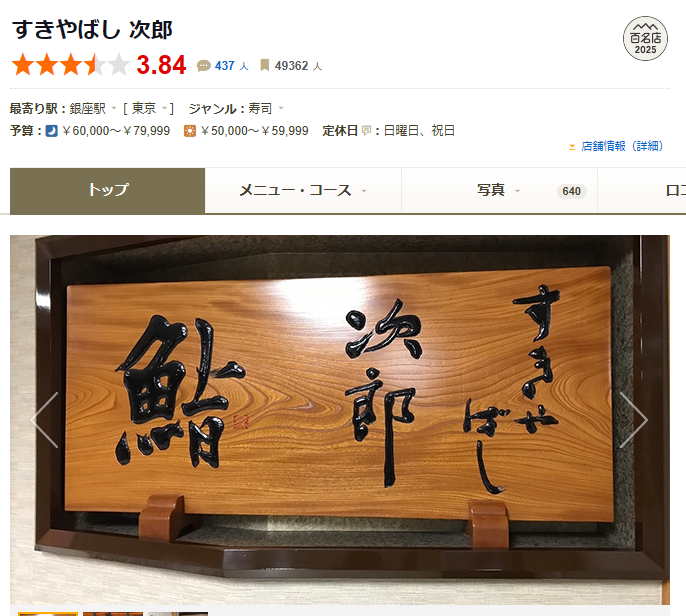
One of the most striking examples of ratings tinginess is Sukiyabashi Jiro, made world-famous thanks to the documentary Jiro Dreams of Sushi. It ranks as one of the top 100 sushi restaurants in all of Japan on restaurant site Tabelog’s Top 100 Sushi Restaurants list. Its rating on Tabelog? A mere 3.84, tied for the lowest score of the ten restaurants on that list I sampled.
Why? Part of this is due to how people in Japan tend to assign ratings. Because it’s deep-rooted and goes back to the way people get graded in school.