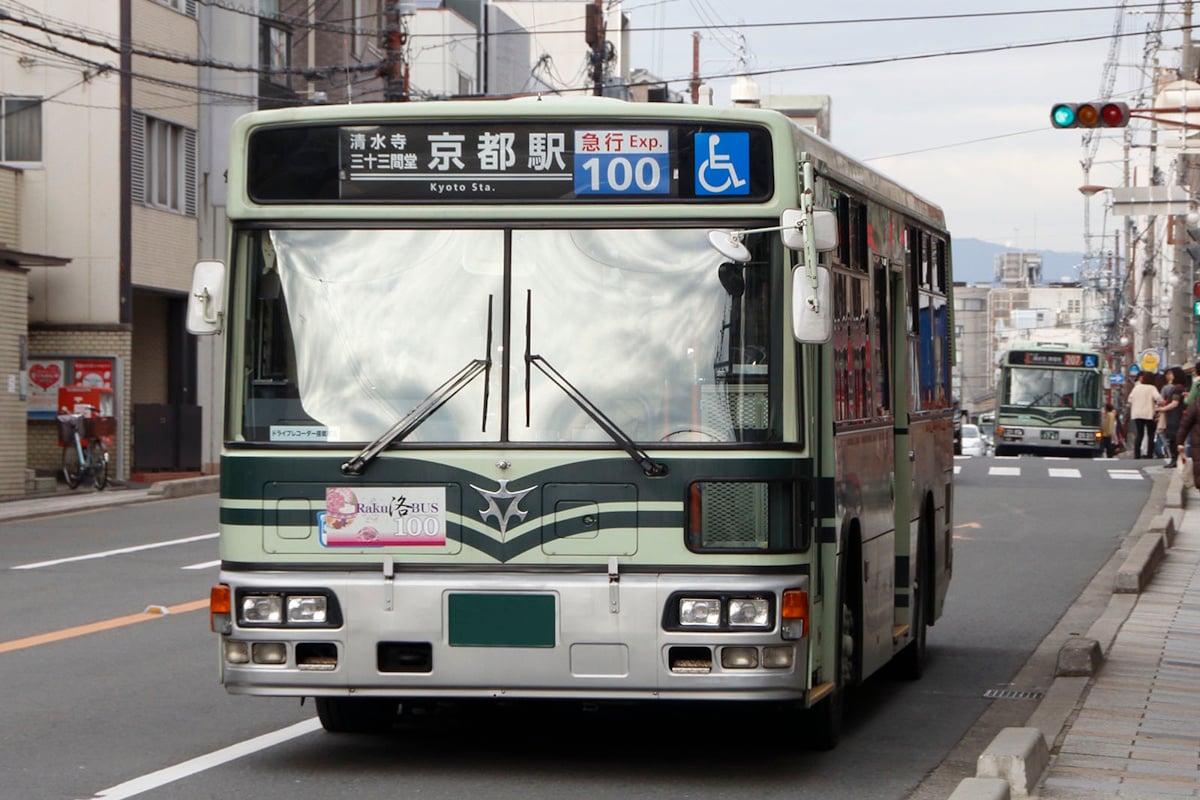


The city of Kyoto is moving forward with a two-tier bus fare system that would slash prices for residents while hiking them significantly for tourists. It’s the city’s latest move to tackle the overtourism problem choking its public transit.
Kyoto plans cheaper bus fares for residents only
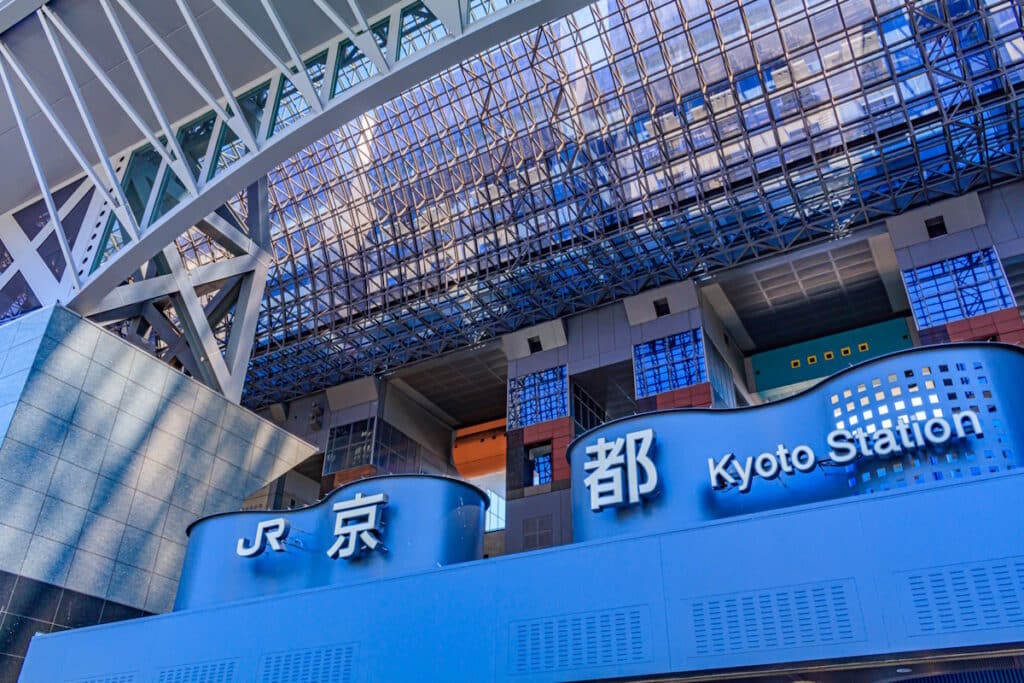
Kyoto Mayor Matsui Koji announced on February 25 that the city will introduce a “citizen priority pricing” system for its municipal bus network. Under the plan, Kyoto residents would pay just 200 yen ($1.30) per ride, a 30 yen drop from the current flat fare of 230 yen.
The new pricing is expected to roll out across the entire city by fiscal year 2027. It’ll cover both the flat-fare zone and adjusted-fare zones where prices vary by distance.
The catch? To qualify for the discounted fare, residents will need to use a transit IC card linked to their My Number, Japan’s national identification number system. Cash-paying passengers, even locals, will not receive the discount.
Mayor Matsui was blunt at his press conference, stating that obtaining a My Number card is “the basic expectation” and that the city would offer support to help residents who have not yet acquired one. For a policy meant to ease the burden on locals, tying it to a controversial national ID system is a frustrating prerequisite – and one that risks excluding some of the very people it aims to help.
The city also plans to coordinate with private bus operators to adopt similar pricing. Commuters from outside Kyoto who frequently use buses for work or medical appointments will also be considered for some form of relief, though details remain vague. Regular commuter pass prices will stay unchanged.
Tourists could pay nearly double the local rate
Visitors and non-residents would face a fare of 350 to 400 yen under the new system, a steep jump from the current 230 yen. That means tourists could end up paying nearly twice as much as locals for the same ride.
Given how packed Kyoto’s buses have become, with residents frequently unable to board during peak tourist seasons, the city clearly sees price differentiation as a necessary lever. It’s taken other measures in the past to limit overcrowding, such as launching a tourist-only bus line.
The plan might face legal scrutiny.
Japanese law prohibits “unjust discriminatory treatment” of specific passengers. However, a representative from the Ministry of Land, Infrastructure, Transport and Tourism’s passenger division told reporters that the policy appears to have “a certain degree of rationality” as a countermeasure against overtourism and a way to promote bus use among residents. That is a notable signal from the national government that Kyoto’s approach could survive a legal challenge
Planning a trip to Japan? Get an authentic, interpreted experience from Unseen Japan Tours and see a side of the country others miss!

The rising debate over two-tier pricing

The citizen priority pricing was a campaign promise of Mayor Matsui. The city intends to submit a revised ordinance incorporating the new fare caps to the municipal assembly during fiscal year 2026, after which it will seek formal approval from the national government.
If everything goes according to plan, Kyoto could become a test case for how Japanese cities manage the tension between welcoming tourists and protecting residents’ daily lives.
Two-tier pricing is becoming an increasingly common response in Japan amid record tourism numbers. Some businesses, such as amusement parks, see it as a way to milk more money out of tourists amid the country’s weak yen. Historical monuments, such as Himeji Castle, have used it to control attendance and fund restoration efforts.
Kyoto’s plan is an aggressive response to a city being loved to death by visitors. Will it work as intended? Time will tell…
Tea, Irises, and Nordic Homeware: Visit These Four Tokyo Spots Before They Get Trendy
Tokyo always offers “unseen” spots to explore. Here are four we’ve found lately, including a black tea experience and a hidden bento box.
Tourists to Japan Are Tossing Coins into These Ponds. That’s a No-No
Officials are worried about the environmental impact after tourists dumped 18,000 coins into the ponds in 2025, despite clearly posted signs.
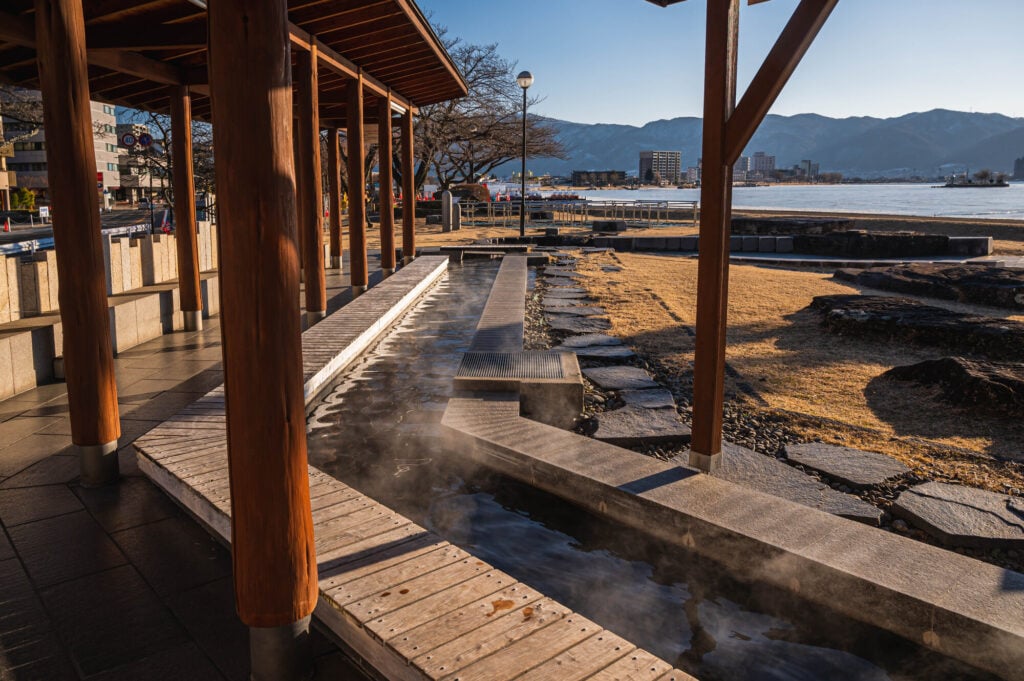
Suwa: One of Japan’s Best Onsen Towns You’ve Never Heard of
Japan is popular. Hot springs are super popular. But Suwa, an onsen town in Nagano Prefecture, remains a hidden gem.
Sources
京都市バスの「市民優先価格」導入 京都市民の割引運賃適用にはまさかの「高い壁」存在か. Kyoto Shimbun
