
Japan has long marketed itself with the promise of “Endless Discovery.” For visitors, that promise often feels true.
As a tourist, Japan is astonishingly smooth. Trains run on time, service is attentive, streets feel safe, and daily inconveniences are quietly absorbed by a system designed to welcome you.
But what happens when you’re no longer a tourist, but a resident?
From grizzled veterans who have been here since the Shōwa era to those who just got their first hanko, everyone can agree on one thing: living and traveling in Japan are two very different things. The tourist’s form of omotenashi is how neatly your gifts get wrapped. The resident has a train to catch before rush hour, and is thankful the clerk didn’t even bother.
So you’ve decided to take the plunge. Enough of the carefully crafted hospitality; you’re ready to make Japan your home, even for a little while. This guide exists for that exact moment—when curiosity turns into commitment.
What follows is not a dream-seller or a naysayer, but a clear-eyed map of what actually changes when Japan stops being a destination and starts being your everyday life.
The conditions of omotenashi: Being a tourist vs. being a resident

As a tourist, you are cushioned by systems designed to remove friction: short-term SIMs, luggage forwarding, spotless hotels, staff whose job is to anticipate your needs without requiring anything in return. Even the inconveniences feel charming when they’re temporary.
Residential life is different.
Duty-free Japan is not resident Japan. Once you live here, the scaffolding comes down. You pay taxes like everyone else. You fill out an endless amount of forms. You wait. You learn which ward office counter handles which. You discover that “simple” tasks can take half a day, or even longer, if your Japanese isn’t strong yet.
Short trips also hide pressures that only appear over time:
- Bureaucracy, where precision matters more than intent;
- Financial stress, especially on entry-level salaries paid in yen;
- And isolation, which often sets in months after the honeymoon phase ends.
None of this makes Japan bad. But it does make it real.
For many people, this transition also coincides with their first experience of long-term financial responsibility as an independent adult: paying rent, navigating taxes, managing debt, or discovering how narrow a budget can feel when unexpected costs arise. On its own, that stress is manageable. Paired with a new language barrier, culture shock, or delayed homesickness, it can quietly compound like a snowball rolling itself into an avalanche.
Therefore, this is a gentle but firm reminder: if you’ve only visited once, or only experienced Japan through vacations, pop culture, or even a university course, pause before moving. Living here is deeply rewarding for many people, but it asks for patience, adaptability, and a tolerance for ambiguity that tourism never requires.
Loving Japan is easy. Living in Japan is a relationship.
Part I: Visas – a.k.a., “How can I get permission to live in Japan?”
Permission comes first.
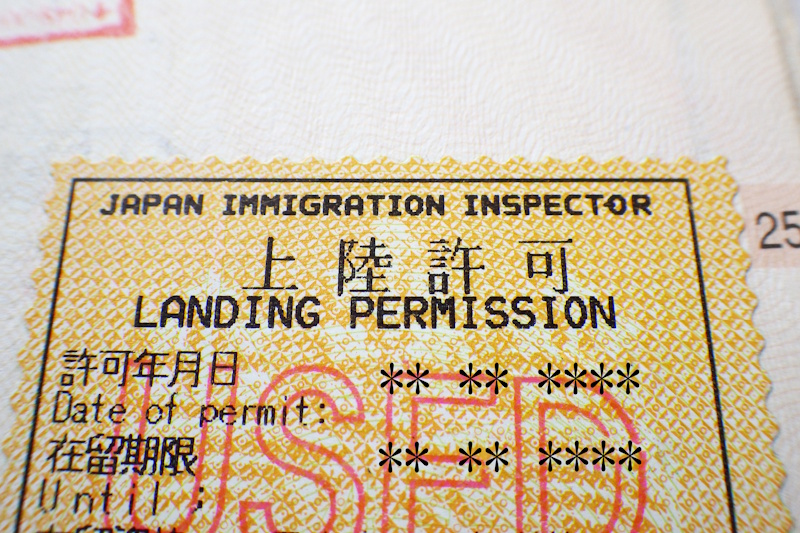
If you want to live in Japan, everything starts with your status of residence, a.k.a. your visa. Japan does not issue visas based on interest, affection for the culture, or long-term intent alone. You must qualify for a specific category, and that category strictly defines what you are allowed to do.
There are roughly 30 visa types, each with its own authorized activities and requirements. You cannot legally do work that falls outside your visa category, even if an employer is willing to hire you. Wanting to live in Japan is not enough; your activities must match an existing legal framework.
In most cases, you also need a sponsor. This can be a school (student visa), an employer (work visa), or a family relationship (spouse, long-term resident, etc.). Even with a sponsor, you must still meet education, experience, or financial requirements. One person may only hold one visa status at a time, even if they technically qualify for more than one.
The three major visa categories
Working Visas (Skilled / Professional Work Only)
Japan’s working visas are designed for occupations that require recognized professional knowledge or specialized skills. As a result, most forms of manual or service labor are not eligible under standard work visa categories.
This means foreigners generally cannot obtain a work visa for roles such as restaurant staff, retail clerks, hairdressers, massage therapists, or construction workers. The primary exceptions are people who hold family-based residence statuses, such as spouses of Japanese nationals or permanent residents. They can typically work under any job category, but hours can be limited for dependent visas (not the same as spouse of a Japanese national). Those working limited hours under student or dependent visas, or participating in specific trainee or internship programs also need to be mindful of any restrictions.
Below is a list of all available work-related visa categories:
Engineer / Specialist in Humanities / International Services
Intra-company Transferee
Skilled Labor
Business Manager
Highly-Skilled Professional
Professor
Instructor (public schools only)
Artist
Religious Activities
Journalist
Legal / Accounting Services
Medical Services
Researcher
Entertainer
Specified Skilled Worker (Type 1 & 2)
Non-Working Visas (Limited or No Work Allowed)
(Some allow part-time work with permission from immigration.)
Student
Trainee
Technical Intern Training
Dependent
Cultural Activities
Temporary Visitor (tourist)
Family-Related & Status-Based Visas (Most Flexible)
These allow work in almost any field.
Spouse or Child of Japanese National
Spouse or Child of Permanent Resident
Long-Term Resident
Permanent Resident
Special / Case-by-Case Status
Designated Activities (includes Working Holiday, Digital Nomad, internships, caregiving cases, etc.)
Diplomat
Official
For those employed by private companies, however, entry into Japan typically happens through a small number of commonly used professional visa categories. Here are the ones you’ll encounter most often.
Engineer / Specialist in Humanities / International Services
This is the most common visa for foreign professionals, especially for those hired overseas. It’s used for IT workers, office jobs, ALT-adjacent teaching, translators, designers, and many corporate roles. Authorized activities include Engineer (IT, engineering, physical or natural sciences), Specialist in Humanities (law, economics, business, social sciences), and International Services (translation, interpretation, language instruction, PR, international trade, design, product development).
Requirements generally include either a university degree in a relevant field or around ten years of documented professional experience (International Services can be lower depending on the role).
Intra-Company Transferee
For employees transferred from an overseas branch to a Japanese office of the same company. It typically requires at least one year of continuous employment with the overseas entity, and the same job role must continue in Japan. This visa avoids local hiring hurdles and is common for multinational companies.
Skilled Labor
For work that requires specialized non-Japanese skills, not academic credentials. Examples include foreign chefs, sommeliers, sports instructors, traditional crafts, aircraft pilots, and animal trainers. Requirements usually involve three to ten years of professional experience, depending on the field. Don’t be fooled; this is not a loophole for general labor.
Business Manager
For those starting or managing a business in Japan. Core requirements include a dedicated physical office and significant capital investment plus viable, ongoing business activity. As of late 2025, this visa has become substantially more restrictive and is no longer realistic for small solo founders without major backing.
Highly Skilled Professional
Introduced to attract top-tier foreign talent, the Highly Skilled Professional (HSP) visa operates on a points-based system. Applicants earn points based on education, income, work experience, age, and academic or professional achievements. Reaching 70 points unlocks advantages that standard work visas don’t offer, including longer stays, faster pathways to permanent residency, broader permissions to engage in multiple professional activities, and certain benefits for family members.
However, it comes with a caveat: unlike standard work visas, HSP status is tightly tied to the sponsoring organization. If you leave the job under which the visa was granted, you must change your status promptly, either by securing a new sponsor under HSP or by switching to a different visa category.
Non-Working & Family-Based Visas: What “limited” really means
Not all visas in Japan are designed around employment. Non-working visas allow residence for study, training, family, or cultural purposes, but work is either restricted or prohibited.
Some non-working visa holders may work part-time, but only with permission from Immigration and within strict hourly limits (usually capped at 28 hours a week). This applies to students and dependents. Temporary Visitors such as tourists and most trainees are not permitted to work at all, regardless of circumstance.
Family-related visas offer the most freedom. Spouses or children of Japanese nationals or permanent residents, as well as certain long-term residents, face few to no employment restrictions. They can work in any field, change jobs freely, or hold multiple roles. Permanent residency also falls into this category.
The key takeaway is simple: visa status defines your legal reality. In Japan, what you can do depends far less on intent and far more on the wording of your residence card.
Working Holiday Visas: Freedom, with an expiration date
Japan’s Working Holiday Visa (WHV) is one of the most flexible and humane entry routes. It is also one of the most misunderstood.
Created through bilateral agreements, the WHV allows young people to live in Japan primarily for travel and cultural exchange, while working incidentally to fund that stay. Work is permitted, but it’s not the purpose of the visa.
As of 2025, Japan maintains Working Holiday agreements with 30 countries and regions, including Australia, Canada, the UK, much of Europe, South Korea, and parts of South America. Most applicants must be between 18 and 30 years old, apply from their country of nationality, and demonstrate sufficient savings for their initial stay. Dependents are not allowed.
However, not all Working Holiday Visas are created equal. Some countries face annual caps, meaning only a limited number of visas are issued each year. Others impose stricter age ranges or renewal limits.
While recent reforms allow certain nationalities to participate twice in a lifetime, many countries still permit only one, non-renewable stay. These details vary by nationality and may change, so applicants should check with their local Japanese embassy.
The appeal is obvious: no degree required, broad freedom to work across industries, and time to explore Japan without committing to a long-term career. But the constraints matter. The WHV is strictly temporary, typically limited to one year per stay. Employment in nightlife or adult entertainment venues is prohibited, and violations can result in deportation and future visa bans.
A Working Holiday Visa is best understood as a landing pad, not a plan. Used thoughtfully, it offers space to learn Japanese, build networks, and decide your next steps. Used casually, it ends quickly, with no automatic path forward.
Permanent residency & citizenship: The goalposts are moving
For many people, the real question isn’t how to get to Japan—it’s how long they can realistically stay.
Permanent residency removes the need for visa renewals and job-based sponsorship, and allows far more freedom in work and life planning. Traditionally, it has been associated with around ten years of continuous residence plus good conduct, stable income, and a strong tax and social insurance record, with accelerated paths for spouses of Japanese nationals and Highly Skilled Professionals.
That said, the direction of policy is clear: scrutiny is tightening, not loosening. Tax compliance, pension payments, and employment gaps are being treated as more significant than in the past. Japan is also increasingly signaling that language ability and “integration” matter, even when they are not written as formal requirements.
It’s also worth stating plainly: Japan does not offer a retirement visa. There is no passive-income pathway for living out one’s later years here without work, family ties, or PR.
This is why long-term planning matters early. The visa you start with shapes what becomes possible later. Japan rewards consistency, contribution, and patience, but it expects you to think several steps ahead.
Teaching English: The “easiest in,” not the end goal
For better or worse, teaching English is still the most common entry point into Japan. It’s accessible, visa-sponsoring, and requires less upfront specialization than most other paths. But it’s important to understand what it is—and what it is not.
There are three main routes. JET offers the most support and stability but is competitive. Dispatch ALT companies place teachers in public schools with lower pay and fewer protections. Eikaiwa (private conversation schools like NOVA or GABA) are often the fastest way in, often hiring with no teaching credentials. All you need is a bachelor’s degree. Non-native speakers can be hired, but some companies will not sponsor them from outside Japan.
However, it can be financially risky. At the end of 2025, typical eikaiwa salaries still hover around ¥180,000–¥220,000/month. Cancellations can be unpaid, and unstable schedules are normal. These jobs are survivable in the short term, but risky long-term without a plan.
Beyond eikaiwa and ALT work, teaching conditions vary dramatically by institution type. Direct-hire public school positions exist, but they are rare and often require strong Japanese ability plus credentials. Private elementary through high school roles are usually the most stable long-term career track, but they require stronger qualifications, and competition is intense. University work can pay well hourly, but many positions are fixed-term and mediated by dispatch companies, producing “high pay, high volatility” calendars.
English teaching can be a visa foothold. Once you’re physically in Japan with the right status, you’re no longer locked into your first employer. Many people move on to better schools, universities, or entirely different careers as soon as they’re able.
Money: The part everyone underestimates
Many people arrive in Japan assuming that a modest salary will “go further” because daily life feels affordable. This is only partially true.
As of 2025, entry-level salaries typically range from ¥180,000 to ¥230,000 ($1,150 to $1,470) per month, with better positions pushing closer to ¥250,000–¥300,000. On paper, this can cover rent, food, and transportation, especially outside central Tokyo. The problem isn’t survival. It’s flexibility.
The weak yen cuts both ways. Locally produced goods and services can feel reasonable, but anything tied to the global market hurts far more than newcomers expect. If you earn in yen but think in dollars, euros, or pounds, the psychological whiplash is real.
There’s also a widening gap between tourism inflation and resident wages. Prices rise in popular areas to accommodate visitors, but wages—especially in education and service sectors—haven’t kept pace. Tourists pay once. Residents pay every month.
Japan is livable on a modest income. It is not forgiving if you have debt abroad, depend on imported goods, or expect steady upward mobility without a long-term plan.
Housing: When the gatekeeping becomes a little too real
Finding a place to live can be one of the most emotionally draining parts of moving to Japan.
Housing discrimination absolutely exists, and foreign residents encounter it routinely. Some listings are marked “no foreigners” outright. Others won’t say it until your application quietly goes nowhere. It’s often justified as landlords avoiding perceived risk, paperwork, or language barriers, but the result is the same.
Then there’s the guarantor system. Many landlords require either a Japanese guarantor or a paid guarantor company, which adds cost and complexity. Even then, rejections happen. Budget both time and emotional energy for this; it is part of the process, not a personal failure.
It is sometimes possible to arrange housing from abroad through foreigner-friendly agencies, company housing, or private landlords, especially in major cities. But it isn’t guaranteed, and choice narrows quickly.
Sharehouses have low upfront costs and flexible leases, but limited privacy. Private apartments offer stability and independence, but higher barriers. Leopalace-style units are furnished and accessible, but often small and expensive for what you get, and infamous for thin walls. Most people start with what’s easiest, then upgrade later once they understand the system.
The upfront costs nobody prepares you for
Rent is only half the story. Move-in costs can total five to seven times one month’s rent, and this catches even well-prepared newcomers off guard.
Deposits, key money, agent fees, guarantor fees, insurance, lock changes, and miscellaneous charges add up quickly.
Furnished units cost more monthly but reduce the initial hit. Unfurnished apartments are the norm—and yes, that usually means no refrigerator, no washing machine, and sometimes no lights. Always check the listing carefully.
The good news is that Japan’s resale culture is exceptional. Appliances and furniture are often in near-perfect condition and sold at a fraction of retail price. Recycle shops and chains like Hard-Off and Second Street can make the “unfurnished” reality far less painful.
Japan’s housing system rewards patience, savings, and flexibility. The more of those you have, the smoother this part will be.
Part II: Settling into Japan
Most long-term residents enter Japan with a Certificate of Eligibility (COE). The COE is not your visa; it confirms that Immigration has approved your application for a specific status of residence. When you arrive, that approval becomes real: you’re issued a Residence Card (在留カード; zairyū kādo), which becomes your primary identification and the backbone of your legal reality.
Once you have your residence card, the bureaucratic clock starts ticking.
Within 14 days, you must register your address at your local ward or city office, enroll in National Health Insurance unless exempt, and register for the national pension system if applicable. Shortly after that, depending on your ward, a postcard will be mailed to your address so you can begin the process of receiving your My Number Card, which is increasingly linked to taxes, health insurance, employment, and other government services.
The first two weeks are a crash course in how Japan works on the bureaucratic level. Once you survive them, daily life gets easier, but only because you’ve learned the system, not because the system bends.
Once you get here, you have a TON of things to set up, including:
- Banking and phones
- Utilities
- Cashless payment setup
- Healthcare and pension
- Disaster preparedness
Let’s look at each one in turn.
Banking, phones, and daily infrastructure
Many of the practical frustrations new residents encounter aren’t cultural so much as procedural. Daily life runs on systems that are orderly, logical—and often inflexible.
Opening a bank account can be surprisingly difficult early on. Some banks won’t consider applications until you’ve lived in Japan for months. Others require a registered address, a Japanese phone number, or proof of employment first. Japan Post Bank is often the most foreigner-friendly option in the early stage, while online banks can become easier later.
Phone plans can create the same early-arrival loop. Some providers want a bank account. Others want a residence card with an address already registered. Many newcomers solve this by starting with a short-term SIM or foreigner-oriented provider and upgrading once they’ve completed the first round of paperwork.
One detail that surprises people is how seriously signatures are treated. In Japan, your signature is not an approximation. It’s a fixed identifier. If the signature you use at the bank doesn’t match the one on file, you may be asked to redo paperwork or return another day. For people used to casual signatures, this can be genuinely shocking.
This rigidity is one reason many residents adopt a hanko. While no longer legally required in many situations, hanko are still widely accepted by banks, employers, and real estate agencies. Unlike signatures, they are always identical.
None of this is meant to scare you. Once you understand the order of operations, these systems become predictable. But the learning curve is real, and it’s steepest in the first few months.
Paying for things
As a tourist, your payment options are cash, credit card, and IC transportation cards. As a resident, however, you now have access to a wide range of cashless payment options available to people with a phone number and address in Japan.
We’ve covered cashless payments in detail in another article. The short answer: PayPay is accepted almost everywhere and is the most convenient method of cashless payment to have on hand. A JCB credit or debit card is also a great option, as JCB is accepted by practically every company in Japan.
Your foreign credit cards will likely work everywhere you want to pay for anything. However, some purchases – e.g., movies and other digital media purchased online – may require a local credit card. It wouldn’t hurt to ask your bank about getting a JCB credit or debit card for these situations.
Setting up utilities: electricity, gas, and water
After signing your lease and receiving the keys, you’ll need to activate utilities. Sometimes your agent will provide contact information; sometimes you’ll need to arrange it yourself. Many major providers offer English support, but it’s best to start about a week before move-in, especially for gas.
Electricity is usually the simplest. Once you’ve arranged service, it can often be turned on by flipping the breaker in the unit. Japan runs on 100 volts, and the frequency differs by region, so check compatibility for foreign appliances.
You cannot turn on the gas yourself. You must schedule a technician, and you must be present. The visit is short, but appointments can book out. Also, confirm whether your apartment includes a gas stove; many do not.
Water is often already available, but if it isn’t, you can usually activate it and register with the local water bureau.
Utility bills often arrive as paper slips at first. Automatic withdrawal is common long term, but until then, paying at convenience stores is normal. Miss a payment and the service won’t usually shut off immediately, but repeated delays will eventually lead to suspension and slow reconnection. Keep bills visible during your first few months; once payments are automated, life becomes much easier.
Natural disasters & everyday preparedness
Living in Japan means coexisting with earthquakes, typhoons, and heavy rain. Preparedness quickly becomes routine rather than frightening.
A few simple steps make a real difference. Install a disaster alert app like NERV, which provides real-time warnings and guidance (including English). Check your city’s hazard maps and note your nearest evacuation shelter and a backup option. That alone removes a lot of uncertainty.
When choosing housing, it’s also reasonable to pay attention to building age. Structures built after Japan’s 1981 seismic code revisions, and especially post-2000, are generally more earthquake-resistant. Older buildings aren’t automatically unsafe, but asking about quake standards is normal.
Preparedness in Japan isn’t about panic kits and constant vigilance. It’s about familiarity. Once you take basic steps, alerts become information, not anxiety—and that’s how most long-term residents experience them.
Healthcare in Japan: Efficient, but not always simple
Japan’s healthcare system is generally affordable and efficient, but it works best when you understand how it’s structured.
Medical care is divided between local clinics and large hospitals. Clinics handle primary care and initial consultations, and hospitals often expect you to come with a referral for specialist treatment. Walking into a major hospital without one can mean higher fees and longer waits.
Even when you book an appointment, waiting is common. Visits are usually efficient rather than conversational. You’ll fill out an intake form with symptoms and contact information, and you may be called by number rather than by name.
Two important realities matter here. First, communication styles vary: some doctors are excellent listeners, others are brisk and procedural, often because they see a high volume of patients. Second, medication access differs significantly. Certain prescriptions common elsewhere are restricted or unavailable, and alternatives may not be straightforward. Many prescriptions are filled at a separate dispensing pharmacy.
Payment usually happens after your visit, often in cash, and some clinics still don’t accept credit cards. If you have a fever, call ahead before showing up, and in medical settings, masks remain normal and courteous.
Driving in Japan: License transfer, testing, and the ETC trap

If you plan to drive in Japan, whether that means weekend road trips, inaka life, or just not wanting to drag groceries home in the rain, your ability to do so comes down to two things: what kind of license you currently have, and what Japan recognizes from your country.
International driving permits aren’t a “Move to Japan” solution
Many people arrive thinking an International Driving Permit (IDP) will cover them long-term. In reality, an IDP is a temporary bridge, not a residency plan. Once you’re living in Japan, you should assume you’ll eventually need a Japanese license if you want to keep driving without anxiety. (Also, if you’re from a country that uses the Geneva Convention IDP system, make sure you’re using the correct format—Japan is picky about this, and “close enough” does not count.)
Converting your license vs. taking the test
If you already hold a full license in your home country, you may be able to do a license conversion (often called “gaimen kirikae,” 外免切替). This can be either pleasantly straightforward or maddeningly tedious, depending on where your original license was issued.
Some countries are eligible for a smoother conversion process, where you mainly submit documents, prove your license history, pass a basic vision check, and walk out with a Japanese license. Others are required to take written and/or practical driving tests. If you fall into the testing category, brace yourself: the practical exam is not testing “real-life driving” so much as testing whether you can perform a specific set of scripted safety behaviors correctly. People fail repeatedly on small technicalities. This isn’t a reflection of your driving skill; it’s a reflection of Japan’s testing culture.
One detail that catches people off guard is proof of experience. In many cases, Japan expects you to demonstrate that you held your license and actually lived in that country for a certain period of time after receiving it. Immigration-adjacent logic applies here: documentation matters more than your explanation.
ETC: Why expressways are easier than the payment system
Once you can drive, you’ll immediately hear about ETC (Electronic Toll Collection), because toll roads are everywhere, and paying cash at toll gates is a special kind of friction you don’t need.
Here’s the catch: ETC is built around credit cards. Most ETC cards are issued by Japanese credit card companies, and many newcomers don’t have the credit history or residence stability to get approved right away. This is why “just use your debit card” usually doesn’t solve the problem. In Japan, debit compatibility is inconsistent, and many systems still assume credit-first.
But if you drive, you’ll likely want – if not outright need – an ETC card. In cities such as Tokyo, many gates are becoming ETC-only, making the card a necessity. So, what do you do?
Fortunately, there’s the ETC Personal Card (ETCパーソナルカード), which is not tied to a credit card but instead requires a deposit. This makes it one of the few viable routes for people who can’t get credit approval yet. It’s not as convenient as a standard ETC card, but it works, and for frequent drivers, it can be worth the hassle.
Also worth noting: if you’re renting cars for trips, most rental companies can rent you an ETC card. This can be a lifesaver during the “I live here, but Japan won’t give me a credit line” phase. It’s also a sustainable long-term option if you only drive periodically and don’t own a car.
The big takeaway is simple: driving itself is manageable. The administrative and payment systems around driving are what surprise people. If you plan ahead, especially around license conversion timelines and ETC access, you’ll save yourself a lot of stress.
Part III: Getting used to life in Japan
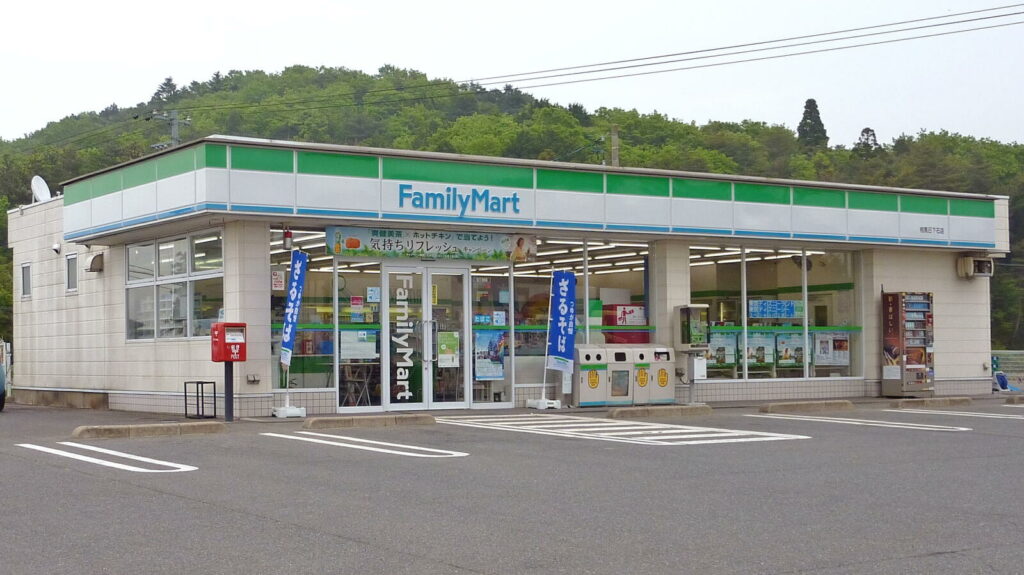
So, you’re here. Yay! Now it’s time to take care of your basic obligations and make some friends. You may also, unfortunately, have to make some hard decisions.
In this section, we’ll cover:
- Taxes
- Debt back home and locally
- Getting to know your neighbors
- Supermarkets, konbinis, and in-between
- Escaping a crappy job
The first-year tax shock (and why year two feels worse)
Your first year often feels manageable because some of the biggest obligations haven’t arrived yet.
Residence tax (住民税) is billed retroactively, meaning you usually don’t pay it in your first calendar year. In your second year, it appears that, based on your previous income, you’ll often adds a sizable new monthly cost added.
Enrollment in pension (年金) is mandatory, even for people who don’t plan to stay long-term. (The exception is if you primarily draw your income from a foreign source, in which case you can apply for an exemption.) You can apply for a lump-sum withdrawal after leaving Japan, but the refund comes only after departure, and there is a time limit for applying.
Health insurance is excellent. However, premiums rise as your income is factored in, which can also make year two feel heavier.
This is why year two so often feels harder than year one. Your lifestyle hasn’t changed; your obligations have.
Debt, transfers, and banking friction
Japan’s financial system is safe, but it is not frictionless, especially if your life spans multiple countries.
If you carry foreign debt, you’ll feel it immediately. Paying student loans, credit cards, or subscriptions in a stronger currency while earning yen can erode your budget quickly. Exchange rate swings matter more than people expect.
International transfers can be slow and expensive through traditional banks, which is why many residents use services like Wise as a practical workaround rather than a miracle solution.
Credit cards are another shock. Even financially stable foreigners are often rejected early on, which means you may rely on debit cards and cash longer than you’d like.
And yes, it’s true: some ATMs close, and holiday disruptions can be real. During Golden Week, the author of this guide learned the hard way that both bank ATMs and even bank apps can behave unpredictably. She ended up keeping receipts and calculating by hand until the holiday ended.
None of this is unmanageable. But Japan rewards people who plan for financial friction, not those who assume modern convenience is universal.
Life in the neighborhood
Moving into a new neighborhood comes with quiet expectations that aren’t always explained, but matter more than people realize.
In many areas, it’s still customary to introduce yourself to nearby neighbors. It doesn’t need to be elaborate. A brief greeting is enough, and in some places, a small inexpensive gift is still common. While this practice is fading in large cities, it can establish goodwill early.
Neighborhood associations (chōnaikai / jichikai) still exist in many municipalities, handling festivals, safety measures, emergency drills, and local notices. Participation varies, but membership can make daily life smoother. This is often where you’ll encounter a kairanban, the circulating clipboard of neighborhood notices.
Garbage and recycling are the fastest ways to accidentally create friction. Rules vary by municipality and are taken seriously. Sorting is not based purely on what physically burns, but on local processing systems, which is why categories can feel unintuitive at first. When in doubt, follow your city’s guide rather than intuition. Improperly sorted trash will not be collected, and illegal dumping is taken seriously.
Supermarkets: Where you really learn Japan
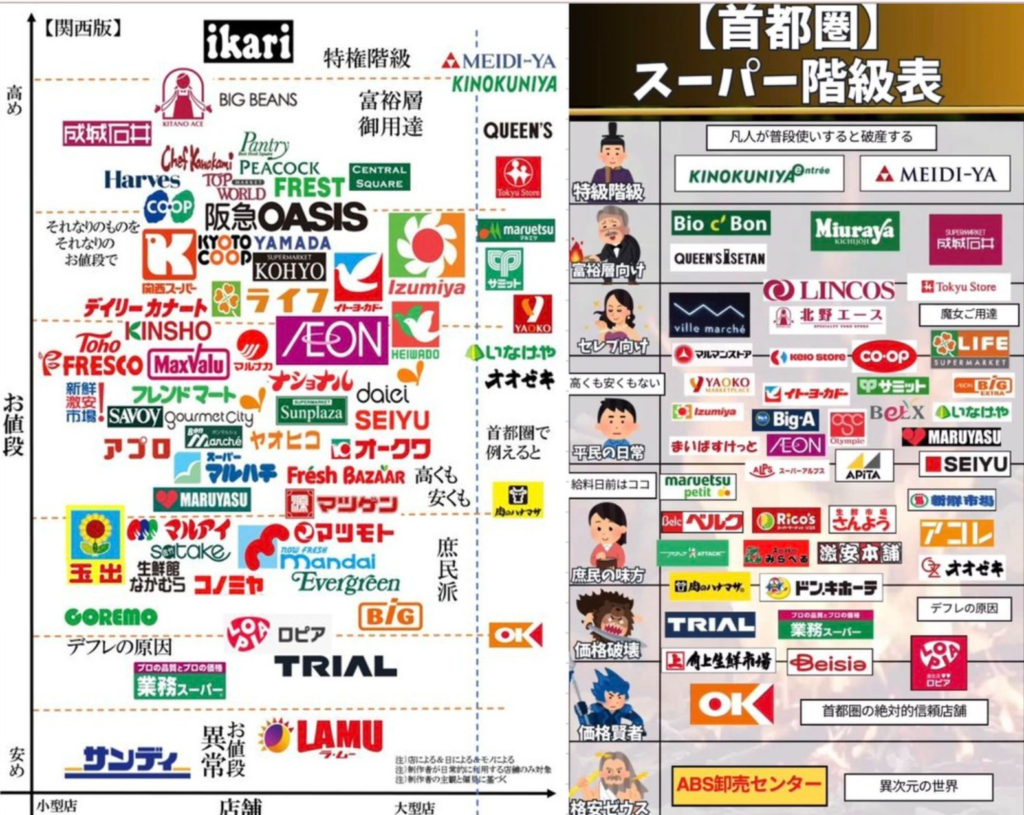
Not all supermarkets are created equal, and where you shop quietly determines your budget and your sense of daily stability.
Budget chains like Gyōmu Super and Hanamasa are beloved because they cut costs dramatically, especially if you cook. They’re like Costco but without the membership fee, as both also sell wholesale to businesses.
Mid-range neighborhood supermarkets are where most residents do their everyday shopping because they balance price, quality, and portions. However, even among Japanese supermarket chains, there can be a large price discrepancy between brands.
High-end import stores, like National in Tokyo or the Jupiter Coffee chain, are consistently a homesickness trap: comforting, familiar, and expensive. However, they can also sometimes be the only place to get certain ingredients, and are nice to have on hand when you want a sweet treat that tastes like your childhood.
Feeding a family? Or running a business? Good news – Costco is very popular in Japan, and your membership works here automatically! There are also Costco resale stores popping up all over the country. These don’t require a membership, but you’ll pay a premium for goods.
Residents learn one key rhythm quickly: shop in the evening. That’s when discount stickers appear, and dinner gets cheaper.
Tourists experience Japan as affordable because they eat out. Residents learn that groceries, not restaurants, are where costs sneak up.
Convenience Stores (konbini): Everyday infrastructure, not just snacks
Konbini function as survival infrastructure, especially for new arrivals. You can pay bills, print documents, use ATMs, pick up parcels, buy stamps, and get food at any hour. For someone still setting up life, they’re not just a store; they’re a fallback system.
They’re also priced for convenience. Long-term residents use konbini strategically, not as their primary grocery plan.
My Basket: Your supermarket/konbini in-between
That said, the Aeon supermarket chain offers a wonderful in-between alternative. The My Basket chain is either a souped-up konbini or a light grocery store, depending on your perspective. While they don’t offer everything a full grocery store has, they offer enough to make a wide range of meals. And they’re ubiquitous: no matter where you live, you’re likely to have one conveniently nearby.
Takuhaibin: Japan’s secret weapon for moving stuff
Takuhaibin is one of those systems that quietly changes your life once you start using it. It’s a nationwide, door-to-door delivery service for parcels, luggage, and bulky items—and it’s fast, reliable, and reasonably priced.
The service was pioneered in the 1970s by Yamato Transport, whose black-cat logo is everywhere. Even though Takkyubin is technically Yamato’s trademark, the term is commonly used for delivery services in general. Other major providers include Sagawa Express and Japan Post.
You can send far more than small boxes. Takuhaibin handles suitcases, oversized parcels, computers, clothing that shouldn’t be wrinkled, sports gear, furniture, and even chilled or frozen food. You can specify delivery dates and time windows, and many services allow short-term holding if you’re not ready to receive something.
Drop-off points are everywhere: convenience stores, airport counters, major stations, service centers, and some retail shops. Pickups from your home can also be scheduled. For moving apartments, traveling light, or simply saving your body from hauling heavy bags up stairs, takuhaibin becomes indispensable.
Escaping your shitty job

Changing jobs is possible, but it comes with hurdles that surprise people used to Western hiring norms, starting with documents.
In Japan, applications typically require two documents: the rirekisho (履歴書) and the shokumu keirekisho (職務経歴書). The rirekisho is the standardized résumé: your education history, employment dates, and basic personal details. The shokumu keirekisho is where employers decide whether you’re actually qualified. It’s a career dossier, and it rewards clarity, structure, and detail.
Where Western résumés often emphasize brevity, Japanese employers want context: what the company does, what your role looked like day-to-day, and what you achieved in measurable terms. A vague shokumu keirekisho can hold you back even with strong experience; a well-crafted one can open doors even if your Japanese isn’t perfect.
A hard truth for mid-career professionals is that your market value doesn’t automatically transfer across borders. Japan evaluates experience through a different lens, and lack of prior Japan-based experience is often treated as a disadvantage. Salary history is also discussed openly. Employers may ask what you currently earn, and some request proof through a gensenchōshūhyō (源泉徴収票). Future offers are often anchored to that number.
Conclusion: Endless discovery, but make it real
If tourism is a curated experience of Japan, residency is the unfiltered version. It’s not harder because Japan is cruel. It’s harder because the systems aren’t designed to soften the edges for you anymore.
The good news is that most of what makes Japan livable—its predictability, safety, and efficiency—reveals itself once you understand the order of operations. The learning curve is steep, but it’s not endless.
Endless discovery is real. It just begins and ends at Immigration, and then continues—quietly—at the ward office counter, the payment slip, the guarantor form, the clinic waiting room, and the garbage sorting chart you will swear was designed by an eldritch god.
And somehow, eventually, it becomes home.
For more comprehensive living guides like this, check out JoynTokyo, a practical platform for foreigners living in or planning to move to Japan. You can also check out their Instagram, where they share short, practical tip reels.