


A proposed free K-Pop concert in Nara Park has already drawn a ton of controversy due to its expense. Now, the governor of Nara is generating even more controversy with comments that the concert is a good thing for young Japanese people who have no money.
The concert, planned for October 2025, is being planned by Nara Prefecture and South Korea’s South Chungcheong Province, with whom Nara has had a friendship alliance for 15 years.
The two have yet to announce which artists will appear at the event. The event space, Kasugano Park in Nara Park, can accommodate up to 9,000 people, who would receive free admission to the event (presumably on a first-come, first-served basis).
The event first made headlines thanks to its price tag: a whopping 270 million yen (USD $1.7M). Many groused that that’s an extraordinary amount for a single-day concert that less than 10,000 people can enjoy.
To be sure, some are opposing the event simply out of a racist-tinged nationalism. One well-liked comment on Yahoo! News JP rants, “Best to stop using diplomacy with that country. No matter what we do to meet them halfway, we can’t forge bonds of friendship if they don’t feel like reciprocating.”

That reply was followed up by other comments claiming the Japanese media has forced K-Pop onto the country and it isn’t actually popular here. (Fact check: K-Pop earned USD $2.3B in the Japanese market in 2023.) Others wondered what foreigners who’d come to Japan to enjoy Japanese culture would think upon seeing a public K-Pop concert instead of an event focused on Japanese artists.
Japan and Korea have what can only be described as a fraught relationship. Anti-Korean prejudice has a long history in Japan, with the Kanto Massacre being one of the worst examples. Anti-Korean sentiments have frequently received prominent placement in news broadcasts and magazine columns, and prominent Japanese figures have made headlines in the past for their blatantly racist rhetoric.

Want more news and views from Japan? Donate $5/month ($60 one-time donation) to the Unseen Japan Journalism Fund to join Unseen Japan Insider. You'll get our Insider newsletter with more news and deep dives, a chance to get your burning Japan questions answered, and a voice in our future editorial direction.
Making things worse
Many commenters seem fine with the idea of forging better international relations. However, they criticize the massive outlay of funds at a time when Japanese people are struggling with rising prices. Others wonder why the event is limited to K-Pop artists, especially at that price tag.
In an attempt to quell the anger, Nara prefectural governor Yamashita Makoto made a long post on X explaining the prefecture’s reasoning behind the concert. Unfortunately, he only seems to have made things worse.
Yamashita said that the bonds between the two locations go back to the Asuka Era (592-710) and was instrumental in the transmission of kanji and Confucianism to the country. The concert’s intended to celebrate that history. Yamashita said that South Chungcheong Province is paying the artists’ fees while Nara is taking on the venue costs.
“The event will cost hundreds of millions,” he acknowledged, “but it means that young Japanese with no money can enjoy the K-Pop artists they love in the flesh, and that we can deepen cultural exchange between members of this generation who support friendship between our two countries. We concluded that this will yield a value that’s hard to measure in money.”
The reference to poor Japanese youth rubbed a lot of people the wrong way. “So you’re gonna use the tax dollars these poor youth paid for this? I get the importance from the other side of Japan-Korean relations, but not everyone loves K-Pop….isn’t this tortured logic? There’s no sense in such a transient event. Why is the government even involved?”

Economic experts argue that, since Nara is using public funds, it needs to think about the return it’s getting on its investment. Some argue that the money would be better spent on more permanent exhibits focused on Japanese popular culture, such as anime and manga.
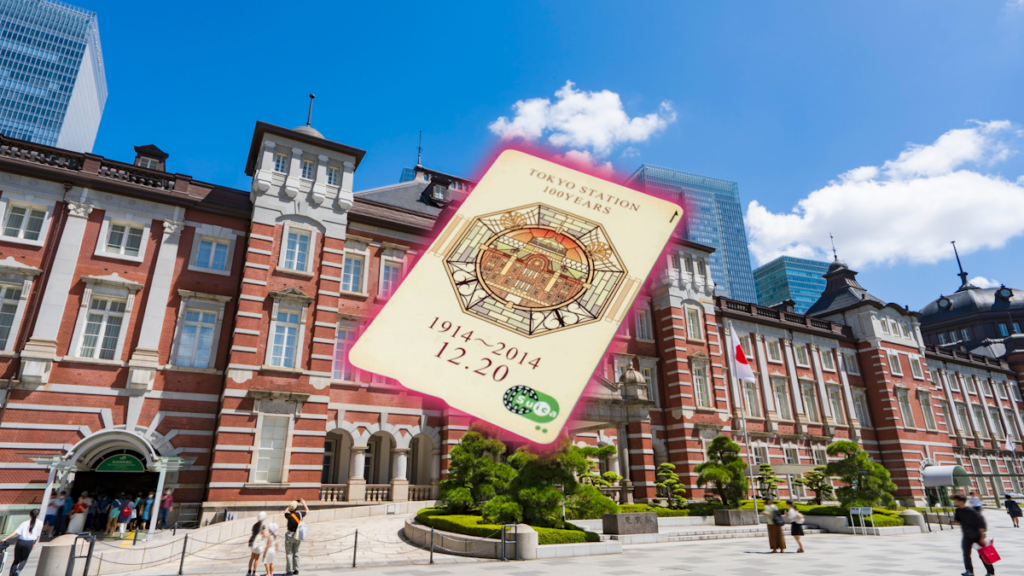
If you have one of these cards and don’t want to lose the balance – and the card – then you have only a few days left to use it.
Japan gets less sleep than any other nation. But the country’s workaholic Prime Minister doesn’t seem to care.

Demons out, luck in! How the festival of Setsubun evolved into a tradition enjoyed by kids across Japan every year.
